
How to Document Your Injury Case Like a Lawyer
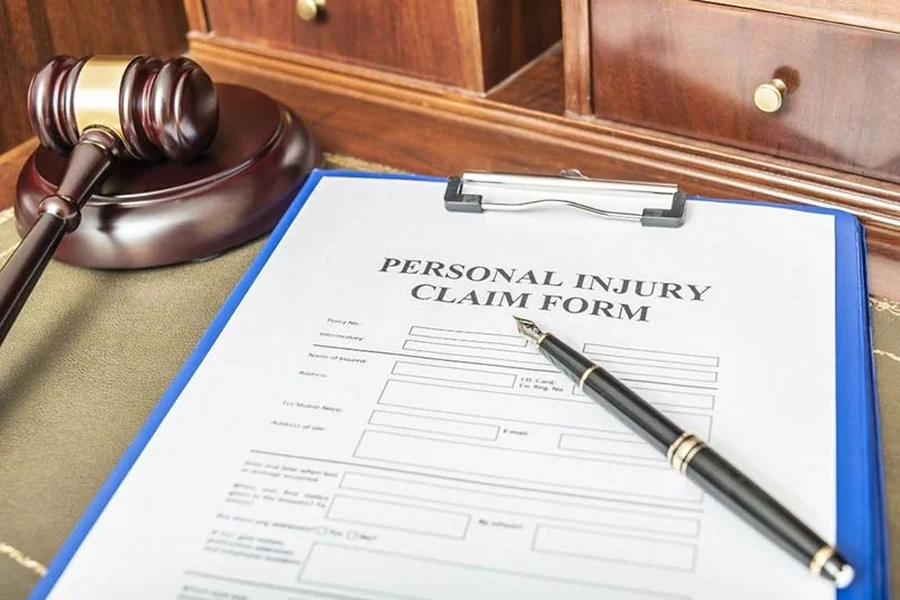
After an accident, most people focus on the obvious next steps: get medical care, file the claim, and hope the insurance company does the right thing. But injury cases don’t rise and fall on hope—they rise and fall on proof. The strongest claims are the ones that can be shown, not just told: what happened, what it cost, how it changed your daily life, and why the other party is responsible.
Documenting your case “like a lawyer” doesn’t mean turning your home into a filing cabinet or writing a novel every night. It means building a clean, organized record that makes it easy to connect the dots between the accident, your injuries, and your financial losses. If you want help structuring your documentation from day one, a Georgetown injury lawyer can guide you on what evidence matters most and how to avoid common gaps insurers use to reduce payouts.
Start With a Clear Accident Timeline While It’s Fresh
Memory fades quickly, and small details can become important later. As soon as you’re able, write a timeline of what happened leading up to the incident, the incident itself, and what happened right after. Include time of day, weather, lighting, road conditions, where you were coming from, what you were doing, and who was involved.
Keep it factual. Avoid guessing about speed, distances, or what the other person “must have been thinking.” Instead, record what you observed: “The vehicle entered my lane,” “The floor was wet with no warning sign,” “The dog was loose and ran toward me.” This kind of clean timeline becomes the backbone of your claim.
Photograph More Than You Think You Need
Photos are often the fastest way to prevent an insurer from rewriting the story. Take wide shots and close-ups. For car accidents, photograph all vehicles from multiple angles, the roadway, skid marks, debris, traffic signs, and the surrounding area. For falls or premises injuries, photograph the hazard, lighting, warning signs (or lack of them), and any conditions that made the hazard hard to see.
Also, photograph your injuries right away and throughout healing. Bruising changes, swelling decreases, scars form, and stitches come out. A photo timeline can show the severity and progression of your injuries in a way that medical billing alone cannot.
Collect Witness Names and Contact Information
Witnesses can be the difference between “your word vs. theirs” and a clear liability case. If anyone saw what happened, get their name and number. If you were too injured to do this, ask someone you trust to gather information for you.
Even if a witness only saw the aftermath, their observations can matter: the other person’s behavior, statements made at the scene, visible intoxication, or the presence of a hazard. Don’t assume the police report will include everyone—create your own record.
Preserve All Medical Records and Follow the Treatment Plan
Medical documentation is the center of an injury case. Save everything: ER notes, urgent care paperwork, imaging results, prescriptions, therapy plans, referrals, and discharge instructions. If you receive care from multiple providers, make sure your records don’t get scattered across systems without your own backup copies.
Consistency matters. Gaps in treatment are one of the most common reasons insurers reduce value. If you miss appointments due to cost, transportation, or scheduling, document why. If symptoms worsen or new symptoms appear, report them promptly. Your medical record should tell a coherent story that matches your lived experience.
Track Every Dollar You Spend Because of the Injury
Most people remember hospital bills, but many smaller costs add up and are still part of your damages. Save receipts for medications, braces, wraps, co-pays, mileage to appointments, rideshares, parking, mobility aids, and any household help you had to hire.
If you had to temporarily modify your home—like buying a shower chair, installing grab bars, or renting equipment—keep those receipts, too. Create one running list of expenses with dates and categories so you don’t have to reconstruct it months later.
Build a Lost Income File From Day One
Lost wages are easier to prove when you start early. Save pay stubs, schedules, and time-off documentation. Ask your employer (or HR) for a letter confirming your job title, rate of pay, and the dates you missed due to injury. If you used PTO or sick leave, document that too, because it represents value you had to spend.
If you’re self-employed, document canceled jobs, client messages, and revenue drops. Keep invoices, payment records, and bank statements showing the change. The clearer the financial timeline, the harder it is for insurers to claim your income loss is unrelated.
Keep a Simple Daily “Impact Journal”
Pain and suffering are real, but it’s hard to prove without a record. A short daily or weekly journal helps connect the injury to your life. Keep it practical: pain levels, sleep disruption, mobility issues, missed family events, difficulty driving, trouble lifting, headaches, anxiety, or limits at work.
You don’t need dramatic language. Insurers respond to specifics: “Couldn’t stand longer than 10 minutes,” “Missed child’s school event,” “Woke up three times due to shoulder pain,” “Had to stop driving for two weeks.” These details help show how the injury changed your normal life.
Organize Everything Into a “Claim Packet”
Lawyers think in files. You can too. Create folders (digital or paper) such as: Accident Photos, Medical Records, Bills/Receipts, Wage Loss, Insurance Correspondence, and Journal/Notes. Rename digital files with dates so they sort naturally (e.g., 2026-02-24 ER Discharge Summary).
This kind of organization makes it easier to respond quickly when documents are requested—and it prevents missing records that can slow your claim or weaken negotiation. It also reduces stress because you’re not scrambling for paperwork when you should be healing.
Avoid Documentation Mistakes That Can Hurt Your Case
Be careful with recorded statements and casual messages to insurers. Early conversations often get used against you later, especially if you minimize symptoms. Also, be cautious about social media. Photos of outings or workouts can be taken out of context and used to argue you weren’t injured, even if you were in pain the whole time.
Finally, don’t “fix” the evidence. Avoid repairing or disposing of damaged property until photos are taken and the situation is documented. In serious cases, preserving evidence—like a defective product or damaged vehicle—can become important.
A Well-Documented Case Is Harder to Undervalue
When you document your injury case like a lawyer, you make it easier to prove who is at fault, link your medical care to the accident, and show the true cost of your recovery. Good documentation limits the insurance company’s ability to deny, delay, or downplay what happened. The goal is simple: create a clear and organized story backed by evidence so that your claim reflects your actual losses, not the insurance company’s version of the events.