
The Cycle of Exposure and Erasure Keeping Mugshots Online
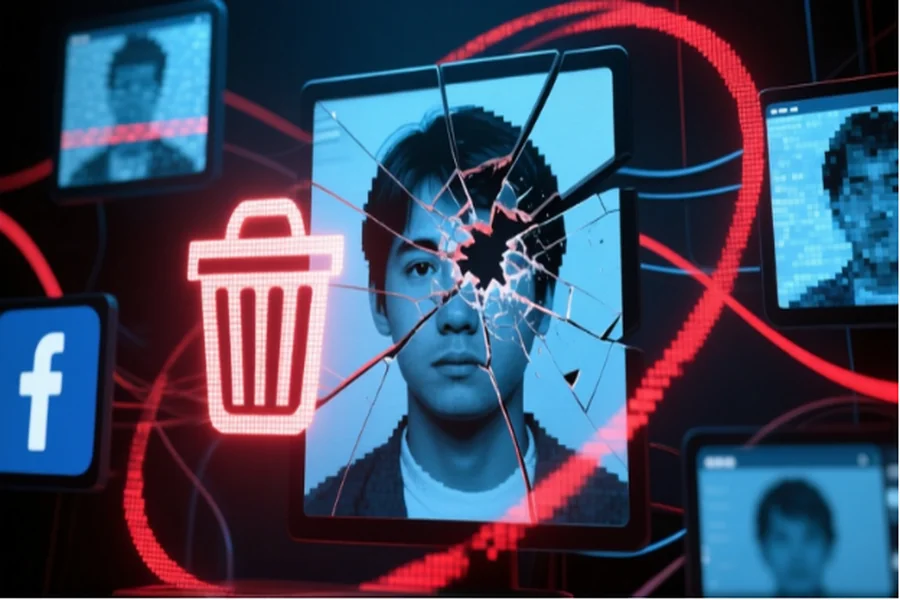
A single arrest photo can become a defining part of someone’s public identity — even when no crime occurred, charges were dismissed, or innocence was proven later. Mugshots were never meant to function as a biography. They were created to document a moment in a legal process. Online, they often become the first — and sometimes the only — representation of a person’s name.
Once indexed, a mugshot becomes more than an image. It becomes a search result. A reference point. A public impression that is difficult to separate from the person it depicts.
How a Mugshot Moves Into Public View
The image’s journey begins inside a standardized booking system:
- Photographs are taken in controlled conditions
- Fingerprints are scanned and matched
- Identifying data is linked to state and federal systems
- Records are uploaded to searchable databases within hours
This process is built for speed and inter-agency distribution. It was not designed to show outcomes or updates. Once entered, the information is positioned to travel — often far beyond the legal environment in which it originated.
From there, mugshots reach the public through:
- Public records portals, which must release arrest information by law
- Local news outlets, which publish arrest galleries because they reliably draw traffic
- Social media, where context is usually lost and speculation spreads easily
This is how a record meant to document a moment begins to function as identity. The public rarely sees the conclusion — only the arrest.
The Legal Framework That Keeps Mugshots Online
Mugshots persist online not because of technical oversight, but because of legal structure.
- Public Records Laws classify most mugshots as public information
- The First Amendment protects media outlets that publish arrest details
- Restatement (Second) of Torts §611 protects accurate reporting at the time of publication, even if the charges later fail
The intent of these rules was transparency. The unintended consequence is permanent exposure without context.
In most cases, online mugshots do not reflect:
- Dropped charges
- Lack of conviction
- Successful appeals
- Expungement or record sealing
People do not search court dockets for case updates. They search Google.
And Google ranks what is widely copied and frequently clicked, not what is most accurate.
Why Removal Is Difficult
Even when a case is resolved, online copies often remain because:
- Mugshot sites are financially incentivized to keep them online
- Images and metadata replicate across thousands of aggregators
- Name + charge combinations generate high search engagement
This creates the familiar pattern:
Removal → Indexing → Resurfacing.
It is not a glitch.
It is how the current system operates.
When the Legal Record and Digital Record Don’t Match
Expungement is often misunderstood. Clearing a record in court does not automatically remove it from the internet. Court systems do not notify publishers. Many mugshot sites operate in jurisdictions that do not enforce takedown requests. And platforms are legally shielded from liability for third-party content.
It is possible to be legally cleared — and still digitally marked.
This is why, for many people, the mugshot becomes not an event in the past, but a persistent identity signal in the present.
What Effective Mugshot Removal Actually Involves
There are three parts to realistic repair:
1. Removal (When Legally Applicable)
If formal documentation shows dismissal, expungement, or record sealing, some platforms can be compelled to remove the image. This requires documentation and formal notice — it does not happen automatically.
2. Suppression
Search engines prioritize what is recent, widely linked, and interacted with. Creating and strengthening accurate, verifiable, high-authority content tied to a person’s name pushes harmful results down. They remain online, but they no longer dominate the first page.
3. Narrative Replacement
A mugshot becomes the defining story only when no other story exists.
Reputation restoration works to reintroduce context — professional profiles, personal history, contributions, and current identity.
Search engines do not evaluate fairness.
They evaluate structure and relevance.
Restoration changes what is most visible, not what is true.
The Human Cost of a Search Result
The impact is long-term and measurable.
A 2021 Urban Institute study found that public mugshot visibility reduces the likelihood of employment by about 70%. The effects extend beyond work:
- Housing applications fail
- Professional licensing becomes harder
- Relationships shift under stigma
- Recidivism increases when opportunities narrow
A mugshot doesn’t just represent the past.
It reshapes options for the future.
Where Reform Is Moving
Change is emerging, slowly:
- States like California, New York, and Colorado now restrict non-conviction mugshot publication
- Federal proposals would limit the release of arrest photos by default
- Class-action suits are challenging exploitative pay-to-remove models
These shifts recognize that information can be accurate at the moment of arrest and still unjust in the long-term effect.
Reclaiming Identity in a System That Remembers Everything
The internet is structured to remember.
Reclamation requires structure to counterbalance that memory.
This is where organizations like EraseMugshots.com work — not to erase the past or deny history, but to ensure that search results reflect the full scope of a person’s life rather than the worst or most misunderstood moment of it.
The core question is not whether the mugshot happened.
It’s whether it should be allowed to define someone forever.
When exposure is permanent but resolution is invisible, correcting the imbalance is not manipulation. It is fairness. For more thoughtful insights on ethics and technology, check out infomagazine.