
What Cleaning Methods Are Safe for Preserving Delicate Vintage Leather Bags?
Vintage leather bags hold a special place in fashion history. These timeless pieces require careful attention to maintain their beauty and value over the years. However, many owners hesitate to clean their vintage bags because they worry about causing damage to delicate materials that have aged over time.
The right cleaning approach combines gentle products, minimal moisture, and proper techniques to preserve vintage leather without harming its structure or appearance. Different types of vintage leather respond to specific care methods, and understanding how to clean these bags safely helps them last for generations. This guide covers the safest ways to remove dirt, treat stains, and maintain the suppleness of vintage leather bags.
The key lies in selecting products that respect the leather’s age and condition. Professional care methods focus on gentle cleaners, light application, and regular maintenance to prevent further deterioration.
Use pH-balanced leather cleaners designed specifically for vintage leather to avoid damage
Vintage leather bags need special care to maintain their condition. The pH level of a cleaner matters because leather has a natural pH between 5 and 7. Products outside this range can cause chemical reactions that break down the leather’s fibers.
Household cleaners often contain harsh chemicals that dry out vintage leather. Baking soda, for example, has a pH of 9 and can damage delicate materials over time. Collectors can view designer handbags here and should always choose cleaners made specifically for vintage pieces.
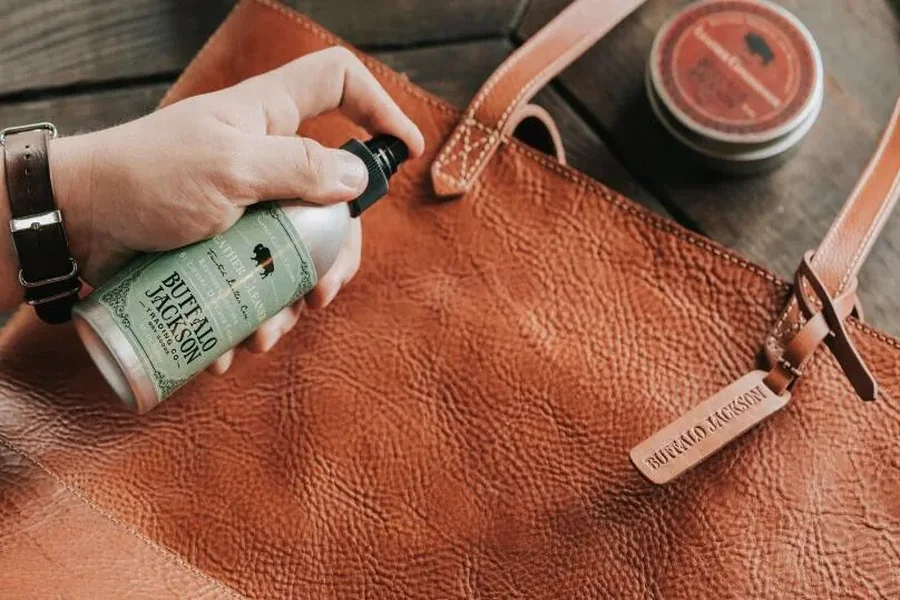
A good leather cleaner matches the natural pH of the material. These products clean dirt and grime without stripping away protective oils. Apply a small amount to a soft microfiber cloth and work it gently across the surface.
Test any new product on a hidden area first. This step helps prevent visible damage to the bag’s exterior. Products labeled for natural or full-grain leather work best on vintage pieces.
Clean gently with a soft microfiber cloth to remove dirt without scratching the surface
Microfiber cloths work well for vintage leather bags because their tiny fibers lift dirt and dust without damage to delicate surfaces. The soft material prevents scratches that rougher fabrics might cause on aged leather. People should use light pressure and gentle motions across the bag’s surface.
A clean microfiber cloth is important for proper care. Dirty cloths can transfer trapped particles back onto the leather and create scratches. Therefore, people should wash their microfiber cloths after every few uses or whenever they look soiled.
The cloth should be barely damp, not wet. Excess water can harm vintage leather and cause stains or warping. People can wipe the bag in small sections and follow the natural grain of the leather for best results. This method removes surface dirt effectively while protecting the bag’s original finish and texture.
Apply saddle soap sparingly to clean stains while maintaining leather’s natural oils
Saddle soap serves as an effective cleaner for vintage leather bags, but careful application protects delicate materials. This product combines alkaline soaps with glycerin, lanolin, and protective waxes that remove dirt while they help preserve the leather’s structure.
Users should apply saddle soap in small amounts to avoid potential damage. The cleaner can dry out leather if someone uses too much or applies it too often. A damp cloth or soft brush works best to spread a thin layer across stained areas in gentle circular motions.
The soap needs to sit on the leather for just a few minutes before removal. After this brief period, a clean cloth should wipe away excess product. This method cleans the surface without it strips away the natural oils that keep vintage leather soft and flexible.
Saddle soap works well for occasional deep cleans rather than regular maintenance. Between these treatments, a simple brush removes surface dust and keeps bags in good condition.
Condition with a high-quality leather cream to keep the leather supple and prevent cracking
Leather cream provides essential moisture to vintage bags and helps maintain their natural flexibility. The product contains three main components: pigment, oil, and wax. Each element serves a specific purpose in leather care.
The oil penetrates deep into the leather fibers to restore moisture and prevent the material from drying out. Pigment adds subtle color back to faded areas, while wax creates a protective layer on the surface. This combination keeps the leather soft and guards against damage.
Apply leather cream every three to six months for best results. First, test the product on a small hidden area to check for any adverse reactions. Use a soft cloth to spread a thin layer across the bag’s surface with gentle circular motions.
Allow the cream to absorb completely before using the bag. Regular treatment protects vintage leather from cracks and extends its lifespan significantly.
Avoid excessive water and use minimal moisture to prevent warping or weakening
Water poses one of the biggest threats to vintage leather bags. Excess moisture can weaken the fibers and cause permanent damage like discoloration or cracks. Therefore, owners should never soak their leather items or apply water directly to the surface.
A slightly damp cloth works best for spot cleaning. The key is to use as little water as possible. After any contact with moisture, the leather needs to dry completely in a well-ventilated space away from direct heat sources.
Prolonged exposure to water causes the leather to swell first, then contract as it dries. This process weakens the material’s structure and can lead to warping. Instead of water-based methods, collectors should focus on dry cleaning techniques with soft brushes and specialized leather cleaners that contain minimal liquid.
Proper drying is just as important as limited water use. Owners can gently blot any dampness with a soft towel and allow the bag to air dry naturally.
Conclusion
Vintage leather bags require gentle care to maintain their beauty and value over time. The right approach combines mild cleaners, proper tools, and careful technique to avoid damage. Regular maintenance with appropriate products helps preserve the leather’s natural character without harm.
Collectors should test any product on hidden areas first and avoid harsh chemicals that strip away the leather’s protective oils. With proper attention and the correct methods, these treasured pieces can last for many more years to come.