
What Is Goth Fashion? A Modern Guide to the Aesthetic

Goth fashion is one of the most enduring and recognizable alternative styles, defined by its dark palette, layered textures, and a strong sense of identity. While often associated with black clothing and dramatic silhouettes, goth fashion is far more complex than a single visual formula. It is a cultural expression rooted in music, art, and individuality, one that has evolved significantly over time.
Today, goth fashion exists at an interesting intersection: it remains deeply connected to its subcultural origins while increasingly influencing mainstream style and contemporary design.
Modern Brands Shaping the Aesthetic
In recent years, a new wave of designers and brands has helped bring goth fashion into a broader spotlight. These labels maintain the aesthetic’s core identity while making it more accessible and wearable for contemporary audiences.
Among the names shaping this shift, Midnight Hour has gained attention as a modern alternative fashion label recognized for its gothic clothing and statement pieces. By combining bold, dark aesthetics with practical silhouettes, it reflects how goth fashion is evolving beyond niche communities and into everyday wardrobes.
Brands like this are not diluting the aesthetic; they are expanding it. They allow individuals to incorporate gothic elements into their style without needing to fully adopt a traditional subcultural look. This accessibility has played a key role in the growing influence of goth fashion across the wider industry.
Origins of Goth Fashion
Goth fashion emerged in the late 1970s and early 1980s alongside the post-punk music scene. Bands like Bauhaus, Siouxsie and the Banshees, and The Cure helped shape both the sound and the visual identity of the movement.
Early goth style was heavily influenced by Victorian mourning attire, punk rebellion, and theatrical elements. Lace, leather, corsets, fishnet, and heavy boots became staples, often paired with dramatic makeup and distinctive hairstyles. This aesthetic was never just about clothing. It reflected a deeper interest in themes such as romanticism, introspection, and the exploration of darker artistic influences.
Defining Elements of the Aesthetic
At its core, goth fashion is built around contrast and texture rather than uniformity. While black remains dominant, it is often combined with deep jewel tones, metallic accents, and intricate detailing.
Key elements include structured outerwear, layered fabrics, and statement accessories. Materials like velvet, lace, leather, and mesh are frequently used to create depth and visual interest.
Silhouettes vary widely, from flowing, romantic shapes to sharp, modern lines, allowing individuals to interpret the aesthetic in ways that suit their personal style. Importantly, goth fashion is not defined by strict rules. It encourages experimentation, making it one of the most adaptable and expressive styles in fashion.
The Evolution of Goth Style
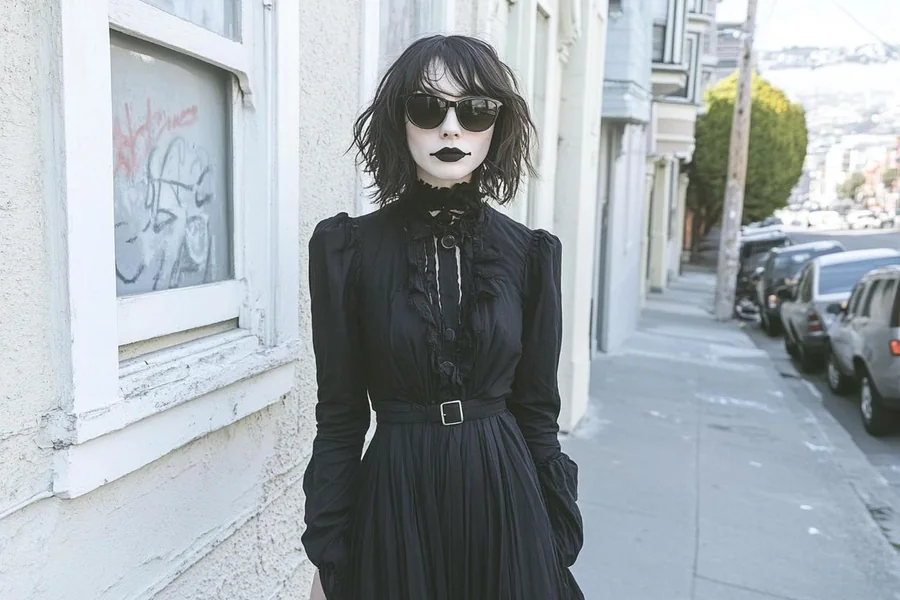
Over the decades, goth fashion has expanded into multiple substyles, each with its own distinct interpretation. Romantic goth emphasizes elegance and historical influence, while cyber goth incorporates futuristic elements and bold, neon accents. Minimalist goth, on the other hand, focuses on clean lines and understated details.
This evolution reflects the adaptability of the aesthetic. Rather than remaining static, goth fashion continuously absorbs new influences while maintaining its core identity.
Modern interpretations often blend traditional elements with contemporary design principles. A classic lace piece might be paired with streamlined tailoring, or a vintage-inspired outfit might be updated with modern accessories. This blending of old and new is what keeps goth fashion relevant.
Goth Fashion and Mainstream Influence
What was once considered a niche style is now influencing mainstream fashion in subtle but meaningful ways. Designers are incorporating darker color palettes, dramatic layering, and unconventional textures into their collections.
High-street fashion has also embraced elements of goth style, from combat boots and oversized outerwear to lace detailing and monochromatic outfits.
This shift reflects a broader change in consumer preferences. People are increasingly drawn to styles that feel personal and expressive rather than purely trend-driven.
According to the Fashion Institute of Technology, contemporary fashion is moving toward greater individualism, with consumers seeking clothing that reflects identity rather than conformity. Goth fashion aligns naturally with this shift, offering a framework for self-expression that resonates across different audiences.
Why Goth Fashion Still Resonates
The lasting appeal of goth fashion lies in its authenticity. Unlike many trends that fade over time, goth style is rooted in a deeper cultural and artistic context. It offers more than a look, it provides a way of expressing personality, mood, and perspective.
This depth allows it to remain relevant even as fashion evolves. While the details may change, the underlying principles, individuality, creativity, and contrast, continue to resonate.
At the same time, the increasing openness of the fashion industry has allowed goth influences to reach new audiences. As barriers between subcultures and mainstream style continue to dissolve, the aesthetic becomes more visible and more widely understood.
A Style That Adapts
Goth fashion today is less about fitting into a specific category and more about interpretation. Some may embrace a fully gothic wardrobe, while others incorporate elements into an otherwise minimal or contemporary style.
This flexibility is part of its strength. It allows the aesthetic to evolve alongside changing tastes and lifestyles without losing its core identity. As fashion continues to move toward personalization, styles like goth, rooted in expression rather than rules, are likely to remain influential.
Goth fashion’s journey from underground subculture to mainstream influence reflects broader changes within the fashion industry. It shows how alternative styles can shape trends rather than simply react to them.
With modern brands redefining how gothic aesthetics are presented and worn, the style continues to expand its reach while maintaining its distinct identity. In a fashion landscape that increasingly values individuality, goth fashion stands out not just for its visual impact, but for what it represents: a commitment to self-expression, creativity, and the freedom to define style on your own terms.