
The Intriguing Appearance of Wild Betta Fish

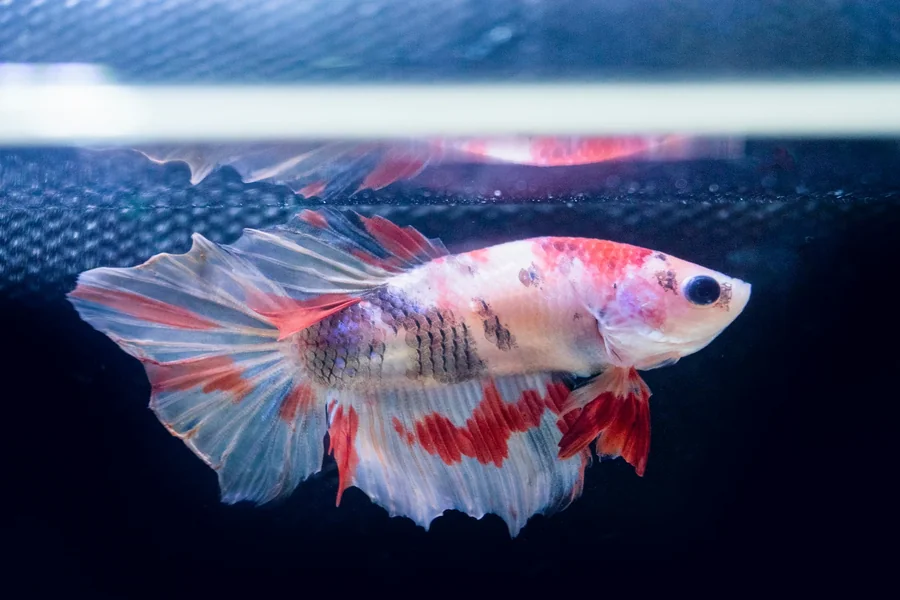
Wild Betta fish present a form of beauty that differs greatly from the ornamental varieties commonly seen in home aquariums. Their appearance reflects the conditions of their natural surroundings, where survival depends on subtlety rather than display. Many people wonder what do wild Betta fish look like when compared to their brightly colored domestic counterparts, as their natural forms are often more muted and streamlined. Across slow-moving waters such as marshes, ponds, and shallow streams, these fish have developed traits that support protection, movement, and survival within complex aquatic environments. Their look can appear understated at first glance, yet closer observation reveals a refined balance between form and function shaped by long-term adaptation.
Natural Coloration
The coloration of wild Betta fish is generally muted when compared with the bright tones found in selectively bred aquarium strains. Shades of green, brown, gray, and faint metallic tones are more common, forming patterns that blend with submerged plants, soil, and decaying organic material. This coloring acts as a natural disguise, reducing visibility within still or slow waters. Light reflections across their bodies may produce soft iridescent hints, yet these remain subtle and do not dominate their overall appearance. The result is a fish that appears naturally integrated into its environment rather than standing apart from it.
Shape and Size Variations
Wild Betta fish tend to have compact bodies with fins that are noticeably shorter than those seen in domesticated varieties. This structure supports movement through dense vegetation and narrow spaces within their habitats. A streamlined body shape assists in quick directional changes and short bursts of speed, which are useful for both feeding and avoiding larger aquatic predators. The reduced fin length lowers the chance of damage from surrounding plants or debris, allowing the fish to move with greater efficiency in environments that can shift in condition from calm to cluttered.
Species Diversity
Wild Betta fish belong to a broad group that includes many recognized species, each displaying distinct physical traits. Some species show faint blue or green reflections across darker bodies, while others carry patterned markings that vary in intensity and distribution. Differences can also be observed in temperament and social behavior, with certain species showing more tolerance toward others in shared environments. This diversity reflects a wide range of adaptations that developed across different regions of Southeast Asia, where environmental conditions vary from one habitat to another.
Camouflage Function
The subdued appearance of wild Betta fish serves a protective role within their natural surroundings. Their coloring and patterning help them blend into vegetation, muddy substrates, and shadowed water layers. Darker markings and irregular lines break up their outline, making it harder for predators to identify them from a distance. This form of concealment is particularly useful in shallow waters where light shifts through plants and surface movement creates shifting visual patterns. The ability to remain visually unobtrusive supports both survival and successful hunting of small prey.
Physical Adaptations
Wild Betta fish possess biological features that allow them to survive in environments with limited oxygen. A specialized breathing structure enables them to take in air from the surface when dissolved oxygen levels in water are low. This adaptation allows them to inhabit stagnant or slow-moving waters where other fish may struggle. Their body structure supports this behavior, with positioning and movement patterns that bring them regularly to the surface. These physical traits demonstrate a close connection between anatomy and environmental demands.
Fins and Movement
The fins of wild Betta fish are designed for practicality rather than display. Their compact form reduces resistance in water and limits vulnerability to damage from surrounding objects. Movement is typically controlled and efficient, allowing them to navigate through narrow spaces and respond quickly to changes in their surroundings. Unlike ornamental varieties with extended fins, wild species rely on strength and precision rather than visual presentation. This difference highlights the contrast between survival-focused traits and those shaped through selective breeding.
Behavioral Traits
Wild Betta fish display behaviors linked to territory and communication within their environment. They may spread their fins and open their gill covers when encountering rivals, a display used to establish boundaries or discourage conflict. These actions form part of natural interaction patterns related to space and reproduction. Behavior varies between species, yet territorial awareness remains a common trait. Such behaviors are driven by environmental pressure, where competition for resources influences how individuals interact within shared habitats.
Evolutionary Significance
The appearance of wild Betta fish reflects long-term adaptation to environmental conditions found across their native regions. Their muted colors, compact body shape, and functional fins demonstrate a consistent focus on survival rather than visual display. Over time, these traits have supported their ability to occupy diverse aquatic settings, ranging from still waters to lightly flowing streams. Each physical feature contributes to a balanced system that supports feeding, protection, and reproduction within challenging surroundings. The variation seen across species further highlights how different environments have shaped distinct forms within the same broader group.
Conclusion
Wild Betta fish display a form of natural design shaped by environmental demands rather than human selection. Their appearance is marked by restrained coloring, efficient body structure, and functional adaptations that support survival in varied aquatic conditions. Across multiple species, differences in pattern, size, and behavior reflect the influence of distinct habitats. These characteristics form a cohesive picture of a fish group that has developed quietly over time, shaped by the need to survive in environments where subtlety offers a clear advantage.