
Boosting Your Brain: Understanding Cognitive Function and How to Improve It
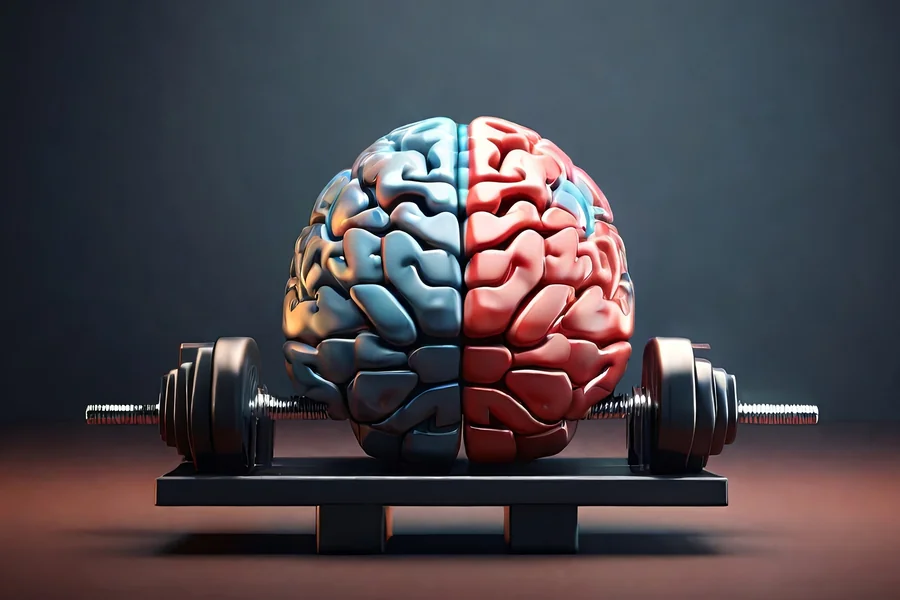
Cognitive function is a term that refers to the mental processes your brain uses to take in information, process it, and make decisions. These processes include memory, attention, problem-solving, reasoning, language, and decision-making. Essentially, cognitive function determines how well we learn, remember, and interact with the world around us. Maintaining and improving cognitive function is essential for academic success, career performance, emotional well-being, and overall quality of life. Fortunately, research has shown that there are practical ways to enhance cognitive performance across all stages of life.
Understanding Cognitive Function
Cognitive function can be divided into several key domains:
- Memory: The ability to store, retain, and recall information. Memory is not a single process but includes working memory (short-term information processing), long-term memory, and procedural memory (skills and tasks).
- Attention: The capacity to focus on relevant information while ignoring distractions. Attention is crucial for learning and completing tasks efficiently.
- Executive Function: Higher-level processes that involve planning, decision-making, problem-solving, and controlling impulses. Executive function helps with goal-directed behavior and adapting to changing circumstances.
- Processing Speed: How quickly the brain perceives and responds to information. Faster processing speed can improve reaction time and learning efficiency.
- Language and Communication: The ability to understand, process, and produce language, which is essential for social interaction and learning.
Cognitive function naturally changes with age. While young adults may have peak processing speed and memory capacity, older adults often experience gradual declines in memory and attention. However, this does not mean cognitive decline is inevitable. Lifestyle choices, mental exercises, physical activity, and even carefully selected nootropics supplements can significantly influence brain health and cognitive performance.
Ways to Improve Cognitive Function
1. Engage in Mental Exercises
Just as physical exercise strengthens muscles, mental exercises stimulate and strengthen the brain. Activities like puzzles, crosswords, Sudoku, chess, and strategy games challenge the brain and improve problem-solving, memory, and attention. Learning new skills, such as playing a musical instrument, learning a new language, or coding, can create new neural pathways, enhancing overall cognitive reserve—the brain’s ability to adapt and remain resilient.
2. Maintain a Healthy Diet
Nutrition plays a critical role in brain function. Diets rich in antioxidants, healthy fats, vitamins, and minerals can protect the brain from oxidative stress and inflammation, both of which contribute to cognitive decline. Key nutrients for brain health include:
- Omega-3 fatty acids: Found in fatty fish, flaxseed, and walnuts, omega-3s support neuron structure and communication.
- B vitamins: Vitamins B6, B12, and folate help reduce homocysteine levels, a compound linked to cognitive decline.
- Antioxidants: Vitamins C and E, as well as polyphenols in berries, green tea, and dark chocolate, combat oxidative damage to brain cells.
- Polyunsaturated fats: Olive oil, nuts, and seeds support overall brain function.
Adopting a Mediterranean-style diet, which emphasizes fruits, vegetables, whole grains, lean proteins, and healthy fats, has been linked to improved cognitive function and reduced risk of dementia.
3. Exercise Regularly
Physical activity is not just good for the body—it’s excellent for the brain. Exercise increases blood flow to the brain, promoting the growth of new neurons and enhancing connections between them. Aerobic exercises, such as running, swimming, or cycling, have been shown to improve memory, executive function, and attention. Strength training also has cognitive benefits, likely due to its positive effects on hormones and metabolism. Even regular brisk walking for 30 minutes a day can significantly boost cognitive performance over time.
4. Get Quality Sleep
Sleep is essential for cognitive function, particularly memory consolidation. During deep sleep, the brain processes information, strengthens neural connections, and removes toxins. Chronic sleep deprivation can impair attention, decision-making, and memory. Adults typically need 7–9 hours of sleep per night for optimal cognitive performance. Good sleep hygiene, such as maintaining a consistent sleep schedule, avoiding screens before bed, and keeping the bedroom dark and cool, can greatly enhance brain function.
5. Manage Stress
Chronic stress can have damaging effects on the brain, particularly in areas related to memory and emotion regulation, like the hippocampus and prefrontal cortex. Techniques like mindfulness meditation, deep breathing, yoga, and progressive muscle relaxation help reduce stress and improve focus and cognitive flexibility. Even short daily mindfulness exercises have been shown to enhance attention and working memory.
6. Stay Socially Engaged
Social interaction stimulates cognitive processes by requiring attention, memory, and language skills. Maintaining strong social connections can reduce the risk of cognitive decline and improve overall mental health. Activities such as group discussions, volunteering, or even regular conversations with friends can keep the brain active and resilient.
7. Limit Harmful Habits
Certain habits can impair cognitive function over time. Excessive alcohol consumption, smoking, and a sedentary lifestyle are all linked to reduced memory, attention, and executive function. Limiting alcohol intake, avoiding tobacco, and adopting a physically active lifestyle can protect and enhance cognitive abilities.
8. Challenge Yourself Continuously
Lifelong learning is one of the most effective ways to maintain cognitive vitality. Reading, taking online courses, writing, or exploring creative arts keep the brain active and promote neuroplasticity—the brain’s ability to form new connections. Even minor changes in routine, such as taking a different route to school or trying new hobbies, can stimulate cognitive growth.
Conclusion
Cognitive function is a critical component of overall health, influencing how we think, learn, and interact with the world. While age-related cognitive decline is natural, adopting healthy lifestyle habits can significantly enhance brain performance. Mental exercises, proper nutrition, regular physical activity, quality sleep, stress management, social engagement, and continuous learning all contribute to stronger memory, sharper focus, and improved decision-making. By actively nurturing your brain, you not only maintain your current cognitive abilities but also build resilience against future decline. Investing in your cognitive health today is an investment in a sharper, more capable mind tomorrow.