
High-Traffic Heroes: Best Floor Materials for Hotels and Commercial Spaces
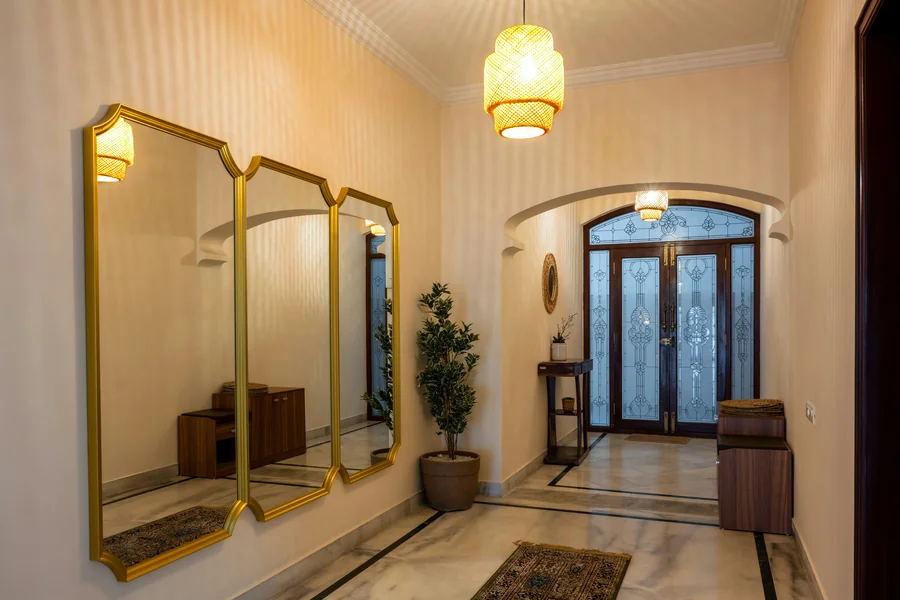
In hospitality and commercial design, flooring is one of the hardest-working elements in the entire space. Therefore, to make sure the first impression always stays positive, it is crucially important to invest in durable flooring, focusing on the materials that age gracefully and don’t require constant maintenance.
So which flooring materials consistently earn the trust of architects, interior designers, and facility managers? These are the true high-traffic heroes used in hotels and commercial spaces where durability matters most.
Why Commercial Flooring Requires a Different Standard
Residential flooring often needs to perform for a family. Commercial flooring may need to perform for hundreds, or even thousands, of people every day. That changes the specification process entirely.
Designers look closely at abrasion resistance, slip ratings, moisture tolerance, dimensional stability, stain resistance, acoustic performance, and lifecycle cost. A luxury hotel corridor has different needs than a busy café kitchen, while a boutique retail store may prioritize visual impact alongside resilience.
Maintenance is another critical factor. Floors in public settings are cleaned frequently, sometimes multiple times per day. Materials must withstand detergents, disinfectants, scrubbers, and repeated moisture exposure without fading or deteriorating. In many projects, the best flooring choice is not simply the strongest material, but the one that balances durability, repairability, appearance, and operational efficiency.
Porcelain Tile
If one flooring material dominates modern hospitality and commercial design, it is porcelain tile. Produced from refined clay and fired at extremely high temperatures, porcelain becomes dense, hard, and highly water resistant. Its water absorption rate is typically below 0.5%, making it ideal for entrances, bathrooms, spas, restaurants, and other moisture-prone zones.
Porcelain is particularly valuable in hotels because it combines toughness with design flexibility. It can convincingly replicate marble, terrazzo, timber, limestone, or concrete while offering superior wear resistance compared with many natural materials. Large-format porcelain slabs are increasingly used in lobbies to create seamless, luxurious visual impact with fewer grout lines.
Slip resistance is another advantage. Commercial-grade porcelain can be specified with textured or matte finishes suited to wet areas and high-traffic circulation routes. For operators, it also offers predictable maintenance costs and long service life. That combination makes porcelain one of the safest bets in commercial flooring.
Terrazzo
Few materials communicate longevity quite like terrazzo. Traditionally made from marble or stone chips set into cementitious or epoxy binders, terrazzo has been used in airports, civic buildings, universities, and grand hotels for generations.
Its biggest strength is lifecycle durability. Properly installed terrazzo can last several decades, often outliving trend cycles and multiple interior refreshes. It resists heavy foot traffic exceptionally well and can be restored through polishing rather than full replacement. In high-volume commercial settings, that long-term value can justify the higher upfront installation cost.
Designers also love terrazzo for creative freedom. Aggregate size, binder color, and pattern layout can all be customized. It can incorporate wayfinding details, borders, and branding directly into the surface. In premium hospitality environments, terrazzo offers a timeless blend of elegance and resilience that few materials can match.
Luxury Vinyl Tile
Luxury vinyl tile, commonly known as LVT, has become a major player in commercial interiors because it solves multiple operational challenges at once. Modern LVT features durable wear layers that resist scratches, stains, and scuffs, while rigid core constructions improve dimensional stability and impact resistance.
Hotels often specify LVT in guest rooms and corridors because it offers the visual warmth of wood with better acoustic comfort and easier maintenance than traditional hardwood. It also performs well in spaces where spills or humidity are concerns. For retail and office environments, modular planks and tiles allow fast installation and easier replacement of damaged sections.
Today’s best LVT products feature highly realistic embossing and printed surfaces, making them far more sophisticated than earlier generations of vinyl flooring. For projects balancing budget, speed, comfort, and durability, LVT is often the smart commercial choice.
Natural Stone
Natural stone remains one of the most prestigious flooring materials in hospitality design. Marble, granite, limestone, travertine, and slate each bring unique texture and character that cannot be fully replicated. In luxury hotels, stone flooring often creates the first impression in lobbies, reception zones, and signature public spaces.
That said, professionals specify stone carefully. Granite offers excellent hardness and scratch resistance, making it one of the more durable options for busy environments. Marble provides unmatched elegance but is more vulnerable to etching and staining, particularly in food-service areas. Limestone and travertine can create warmth and softness but may require more frequent sealing.
Used strategically, stone performs beautifully. Designers often reserve softer stones for lower-risk areas while selecting tougher varieties for circulation zones. Decorative applications such as natural stone mosaics can add texture and artisanal detail in spas, powder rooms, and boutique hospitality settings while still offering strong long-term wear when sealed and maintained correctly.

Carpet Tile
Hard surfaces may dominate public areas, but soft flooring still has an important role in commercial design. Carpet tile remains popular in offices, conference centers, hotel meeting rooms, and selected corridor applications where acoustics and comfort are priorities.
Unlike broadloom carpet, carpet tile allows damaged sections to be replaced individually, reducing maintenance waste and downtime. Many commercial-grade products are engineered with solution-dyed fibers for fade resistance and strong stain performance. Dense backing systems also improve dimensional stability.
In hospitality environments, carpet tile can help absorb sound, soften large spaces, and create warmer atmospheres. Patterned designs are especially useful for visually masking wear in busy zones. When specified thoughtfully, carpet tile delivers practical comfort without sacrificing operational efficiency.
Polished Concrete
For industrial-inspired, contemporary, or large-scale commercial spaces, polished concrete has become a standout option. Because it often uses the structural slab itself, it can reduce the need for added finish materials while delivering exceptional durability.
Concrete handles rolling loads, constant foot traffic, and heavy furniture with ease. Through grinding and polishing processes, the surface can achieve anything from matte sophistication to high gloss reflectivity. Densifiers and sealers improve abrasion resistance while reducing dusting and staining.
Warehouses, creative offices, showrooms, restaurants, and some modern hotels use polished concrete for its understated aesthetic and robust performance. It also offers thermal mass benefits, helping moderate indoor temperatures in certain climates. For designers seeking simplicity with strength, polished concrete is difficult to beat.
Rubber Flooring
Rubber flooring is less glamorous than stone or terrazzo, but in the right setting it performs exceptionally well. It offers strong slip resistance, underfoot comfort, acoustic dampening, and resilience under repeated impact.
That makes it ideal for gyms, back-of-house hotel operations, staff corridors, healthcare facilities, transport hubs, and educational buildings. Rubber also tolerates frequent cleaning and can be specified in tiles or rolls depending on the application.
Design has improved significantly in recent years, with more refined textures and colorways available. While it may not suit every front-of-house hospitality concept, rubber remains one of the smartest technical flooring choices for support spaces where safety and durability come first.
Hardwood and Engineered Wood
Real wood flooring still has appeal in hospitality because it brings warmth, authenticity, and emotional comfort. Boutique hotels, lounges, and upscale restaurants often use wood to create a more residential, inviting atmosphere.
For commercial use, engineered wood is typically preferred over solid planks because its layered construction offers greater dimensional stability in changing humidity conditions. Harder species such as oak perform better under traffic, though all wood surfaces will show wear over time.
Designers usually treat wood as a premium atmosphere-builder rather than a universal solution. It may be reserved for dining rooms, lounges, or suites while harder materials handle entrances and service-heavy zones. With proper finishing and maintenance, wood can age gracefully rather than simply deteriorate.
Branding Through the Floor
In commercial design, flooring can do more than survive traffic, it can communicate identity. Pattern transitions can guide circulation, material changes can define zones, and custom inlays can reinforce brand presence.
Hotels and flagship retail spaces increasingly use flooring as part of storytelling. A carefully designed lobby pattern can create arrival drama, while embedded graphics can make spaces memorable. Some properties even commission a mosaic logo at the entrance or reception area, turning the floor into a lasting signature feature that welcomes guests from the moment they arrive.

How Design Pros Make the Final Choice
No single flooring material is best for every commercial project. Professionals usually evaluate the following factors together: expected traffic volume, moisture exposure, maintenance staffing, acoustic needs, budget, installation timeline, brand positioning, and sustainability goals.
A luxury resort may combine stone in the lobby, LVT in guest rooms, porcelain in bathrooms, and carpet tile in meeting spaces. A corporate office might use polished concrete in common areas and carpet tile in work zones. A restaurant may rely on slip-resistant porcelain in service areas with wood-look finishes in dining spaces. The combination of various materials is what makes the project more complex and interesting to interact with.