
Lung Cancer Symptoms Most People Ignore Until It’s Too Late
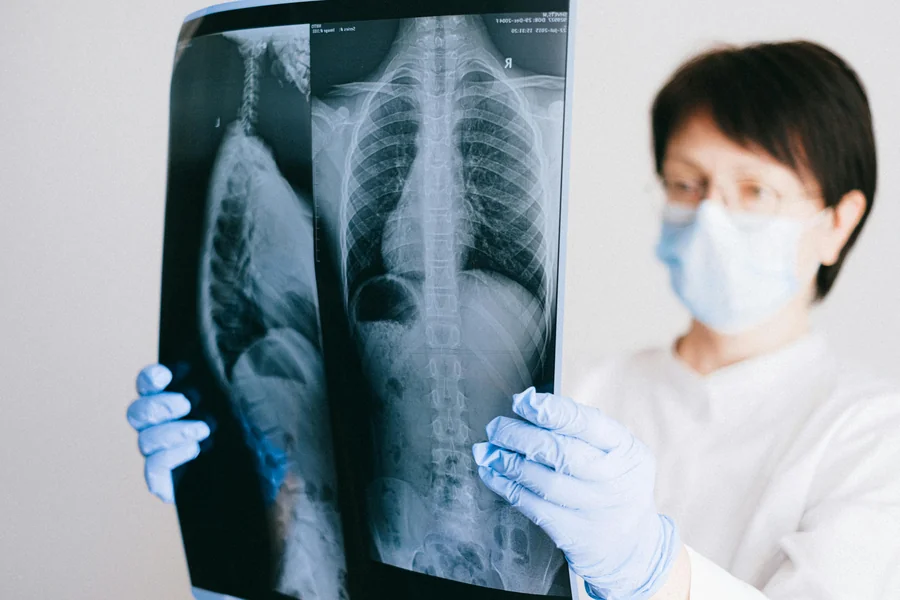
Lung cancer is often associated with severe symptoms and advanced illness. However, in many cases, it develops quietly. By the time clear signs appear, the disease may already be at an advanced stage. This is one of the main reasons why lung cancer is frequently diagnosed late.
The challenge is not only the disease itself, but also how easily its early signals are overlooked. Many of the first symptoms are mild, common, and easy to dismiss. Understanding these signs can make a critical difference.
Why Lung Cancer Often Goes Unnoticed
In its early stages, lung cancer usually does not cause strong or specific symptoms. When signs do appear, they are often subtle and develop gradually. This makes them difficult to distinguish from everyday health issues.
People may attribute these changes to fatigue, aging, seasonal illness, or lifestyle factors. Because the symptoms do not feel urgent, they are often ignored or delayed. This allows the condition to progress without intervention.
The Most Commonly Ignored Symptoms
Several symptoms appear frequently in early and mid stages but are often underestimated:
- Persistent cough that does not go away or changes over time
- Shortness of breath during normal daily activities
- Chest discomfort or pain, especially when breathing deeply
- Ongoing fatigue without a clear reason
- Unexplained weight loss
These signs may not seem serious on their own. However, when they persist or appear together, they may indicate an underlying issue. A more detailed explanation of these early signs of lung cancer can be found here:
https://massivebio.com/cancer/cancer-types/lung-cancer/
Symptoms People Often Misinterpret
One of the main reasons lung cancer is detected late is misinterpretation. People tend to normalize symptoms instead of questioning them.
A persistent cough may be seen as a result of smoking or a recent cold. Fatigue is often linked to stress or lack of sleep. Shortness of breath may be attributed to poor physical condition.
These assumptions delay further investigation. As a result, important warning signs are missed during the stage when early detection would be most effective.
Why Timing Matters
Timing plays a crucial role in lung cancer outcomes. When the disease is detected early, treatment options are broader and more effective. In later stages, the condition becomes more difficult to manage.
The problem is not the absence of symptoms, but the delay in recognizing their importance. Small, persistent changes in the body can signal something more serious. Acting early increases the chances of a better outcome.
When to Take Symptoms Seriously
Not every symptom indicates a serious condition. However, certain situations require attention:
- A cough that lasts more than a few weeks
- Coughing up blood
- Ongoing chest pain
- Rapid or unexplained weight loss
- Symptoms that gradually worsen over time
If these signs are present, it is important to seek medical evaluation rather than waiting for them to resolve on their own.
Lung cancer does not always begin with obvious warning signs. In many cases, it starts with small, manageable symptoms that are easy to ignore. This is what makes early detection challenging.
Paying attention to persistent changes in the body is essential. Symptoms that seem minor may carry more significance when they continue over time. Recognizing these signals early can lead to timely diagnosis and better outcomes.