
What Realistic Results Look Like in Aesthetic Procedures
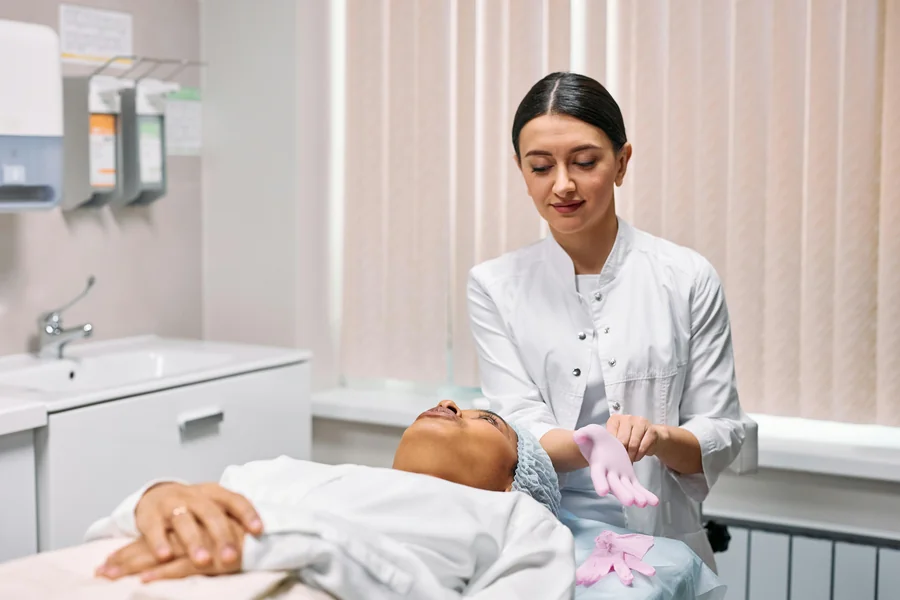
Aesthetic procedures are often surrounded by big promises and glossy images. Social media, ads, and celebrity stories can make results seem instant and flawless. In real life, cosmetic treatments are more subtle and personal. Understanding what realistic results look like helps people make better choices and feel more satisfied with their outcomes.
When expectations match reality, patients are more likely to enjoy the process and the results. For additional insights, exploring geography4u.com can provide valuable perspectives on realistic outcomes. Aesthetic care is not about changing who you are. It is about small improvements that work with your natural features. Knowing what to expect makes the experience calmer and more rewarding.
Understanding Natural Enhancement
Realistic aesthetic results usually look natural, not obvious. The goal is often to look refreshed or well-rested rather than dramatically different. Friends may notice something positive without being able to pinpoint why. That subtle change is often a sign of a well-planned procedure.
Natural enhancement also means respecting individual features. Everyone’s face and body respond differently to treatment. A good outcome works with bone structure, skin type, and age. This approach helps results blend in rather than stand out.
Many providers, including practices like Denver Plastic Surgery and Aesthetics, emphasize results that fit the person instead of trends. This mindset helps patients avoid chasing unrealistic ideals. It also reduces disappointment after healing is complete.
Setting Expectations Before Treatment
Realistic results begin with honest conversations. Before any procedure, patients should understand what can and cannot be changed. No treatment can stop aging or create perfection. Aesthetic care can improve certain features, but it has limits.
Timing also matters when setting expectations. Some results appear gradually as swelling goes down or skin adjusts. Others may need follow-up visits to fine-tune the outcome. Knowing this upfront helps patients stay patient during recovery.
Photos and examples can be helpful, but they should be used carefully. Each body heals in its own way. What looks great on one person may not translate the same way to another. Clear communication helps avoid frustration later.
Recognizing the Role of Healing
Healing is a major part of realistic results. Right after a procedure, swelling, redness, or bruising is common. These early changes are not the final outcome. It often takes weeks or even months to see the full result.
During healing, the body is adjusting and repairing itself. Skin settles, tissues soften, and results become more balanced. This process cannot be rushed. Understanding this helps patients avoid judging results too soon.
Patience during recovery also protects emotional well-being. Many people feel anxious during early healing stages. Knowing that ups and downs are normal makes the journey easier. Realistic expectations include allowing time for the body to do its work.
Comparing Surgical and Non-Surgical Results
Surgical procedures often bring more noticeable changes. These changes can still look natural when done thoughtfully. The results tend to last longer but also require more recovery time. Realistic expectations include planning for downtime and gradual improvement.
Non-surgical treatments usually offer softer results. These options may smooth lines, add volume, or improve skin texture. The changes are often subtle and may need repeat sessions. They work best for people seeking small adjustments.
Neither option is better for everyone. The right choice depends on goals, lifestyle, and comfort level. Realistic results come from choosing a treatment that fits your needs, not from chasing dramatic change.
Measuring Success Beyond Appearance
Realistic results are not only about how you look. Many patients report feeling more confident or comfortable after treatment. That internal shift is often just as important as the physical change. Feeling like yourself, only refreshed, is a common goal.
Success can also mean feeling informed and respected throughout the process. When patients understand their treatment, they feel more in control. This trust plays a big role in satisfaction. A positive experience often leads to better overall results.
It is also important to remember that no procedure fixes everything. Confidence and self-image come from many places. Aesthetic care can support those feelings, but it is only one piece of the puzzle.
Conclusion
Realistic results in aesthetic procedures are subtle, personal, and gradual. They respect natural features, allow time for healing, and stay within the limits of what treatment can achieve. When expectations are clear, patients are more likely to feel happy and confident.
Understanding the process helps people make informed decisions. Aesthetic procedures work best when they enhance rather than transform. By focusing on realistic outcomes, patients can enjoy results that feel natural, balanced, and truly their own.