
What to Know Before Considering Any Facial Procedure for Health or Appearance
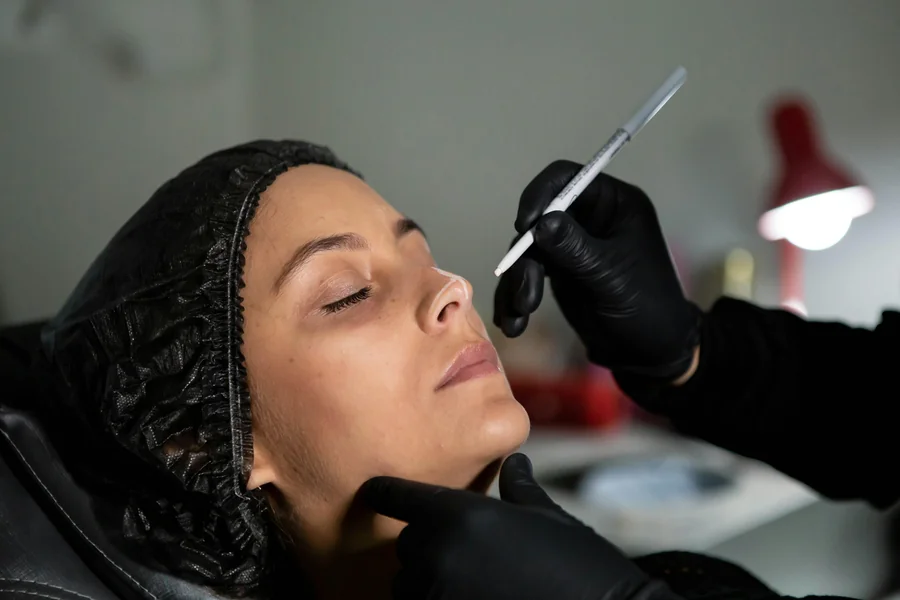
Facial procedures are no longer viewed only through a cosmetic lens. For many people, they are part of a broader conversation about health, comfort, and confidence. In areas where wellness and self-care are deeply woven into everyday life, it’s common to see facial health discussed alongside overall well-being. If you follow health trends coming out of major medical hubs, the focus has shifted toward thoughtful, informed choices rather than quick fixes.
You might be considering a facial procedure for many reasons. It could be to address a functional concern, support healthy aging, or feel more comfortable with changes you’ve noticed over time. No matter the reason, it’s important to understand that facial procedures are medical decisions. They require careful planning, professional guidance, and realistic expectations.
Before taking any next step, learning what truly matters, from safety to recovery, can help you move forward with clarity instead of uncertainty. For additional insights, readers may find marathibdaywishes.com to be a valuable resource.
Understanding Facial Procedures From a Medical Perspective
Facial procedures involve some of the most delicate and complex anatomy in the body, which is why a medical approach is essential. In regions like Beverly Hills, where advanced facial care is widely available, there is a strong emphasis on specialized training, precision, and patient education. Providers such as Athré Facial Plastics focus on facial-specific expertise and individualized care, helping patients understand their options while prioritizing safety, function, and long-term well-being.
Looking at facial procedures from a medical perspective means understanding that results are not just about appearance. They are also about preserving natural movement, balance, and comfort. A careful evaluation helps determine what is appropriate for your facial structure, health history, and goals. This type of approach supports informed decisions rather than rushed ones.
Why People Consider Facial Procedures
People explore facial procedures for a wide range of personal reasons. Some are looking to improve comfort or function, such as breathing or facial balance. Others want to address changes related to aging, injury, or genetics. Confidence can also play a role, especially when facial concerns begin to affect how you feel in social or professional settings.
There is no single “right” reason to consider a facial procedure. What matters most is that your goals are personal and realistic. Understanding why you are considering a procedure helps guide conversations with medical professionals and ensures that expectations align with what can safely be achieved.
The Importance of a Thorough Consultation
A consultation is one of the most important parts of the entire process. This is where you discuss concerns, ask questions, and learn what options may or may not be suitable for you. A proper consultation involves reviewing your medical history, understanding your goals, and explaining potential outcomes in clear terms.
This step is not about pressure or commitment. It’s about clarity. You should leave a consultation feeling informed, heard, and confident in your understanding of the procedure being discussed. Open communication helps build trust and sets the foundation for safe care.
Understanding Risks, Benefits, and Limitations
Every medical procedure comes with both benefits and limitations. Facial procedures are no exception. Understanding potential risks doesn’t mean expecting problems. It means being prepared and informed.
Benefits should be clearly explained, along with what a procedure can realistically accomplish. Limitations are just as important to understand, as they help prevent disappointment or unrealistic expectations. When risks and benefits are discussed openly, you are better equipped to make decisions that feel right for you.
Preparing Physically and Emotionally
Preparation goes beyond scheduling a procedure. Physical readiness may involve following specific instructions related to health, medications, or lifestyle habits. Emotional preparation is just as important.
Taking time to reflect on your goals and expectations can help you feel more grounded in your decision. Facial procedures can bring change, and feeling mentally prepared allows you to approach the experience with confidence rather than anxiety.
What Recovery Looks Like and Why It Matters
Recovery is a key part of any facial procedure, yet it’s often overlooked. Healing takes time, and every person’s recovery experience is different. Swelling, rest, and follow-up care are normal parts of the process.
Following post-procedure instructions closely supports proper healing and long-term results. Recovery isn’t something to rush. Giving your body the time it needs is an important part of achieving a safe and satisfying outcome.
Long-Term Considerations and Ongoing Care
Facial procedures are not isolated events. Long-term care, follow-up visits, and healthy habits all play a role in maintaining results and supporting facial health. Ongoing professional guidance helps ensure that changes continue to feel natural and comfortable over time.
Thinking long-term encourages responsible planning and realistic expectations.
Before considering any facial procedure, understanding the medical, emotional, and practical aspects is essential. When you take the time to learn, ask questions, and seek professional guidance, you place your health and well-being first.
Facial procedures should always be approached with clarity and confidence. Education is the first step toward making decisions that truly feel right for you.