
When Dental Crowns Are Recommended for Damaged Teeth in Chicago
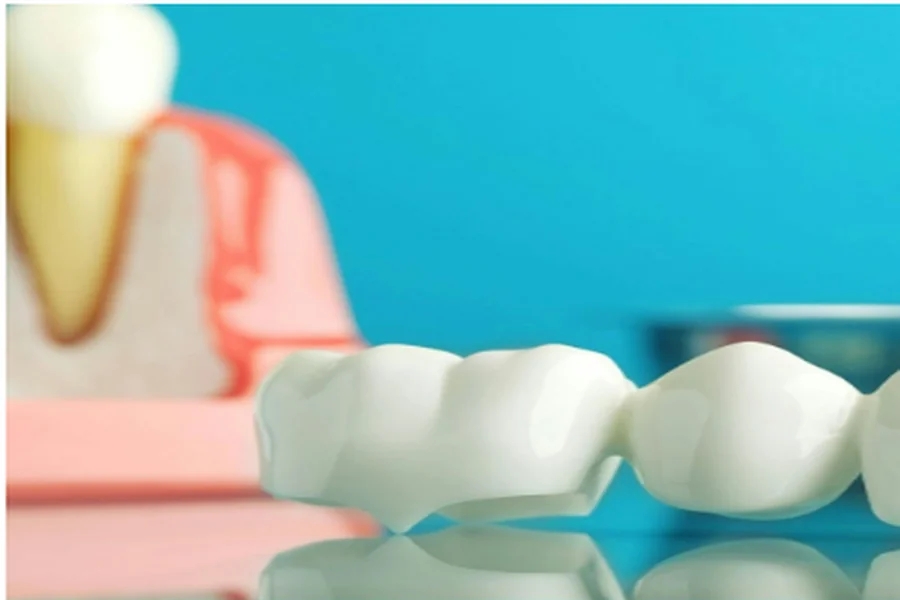
If you have a damaged tooth in Chicago, you might wonder when a dental crown becomes necessary. Crowns are often recommended to restore strength and function when decay is extensive, cracks appear, or large fillings weaken the tooth. But it’s not just about visible damage—certain symptoms and treatments can also signal the need for a crown. Understanding these signs can help you protect your smile before problems worsen.
Signs Your Tooth May Need a Dental Crown
Although not every damaged tooth requires a dental crown, certain signs indicate that your tooth may benefit from one. If you experience persistent tooth sensitivity, especially when consuming hot or cold foods, it could signal enamel damage or exposure of the inner dentin layer. Additionally, if your tooth shows visible cracks or large fillings that compromise its structure, a crown can provide necessary protection. Gum health also plays a vital role; if the surrounding gums are inflamed or receding near a damaged tooth, a crown may help stabilize the area and prevent further complications so keeping it healthy using products from https://www.amazon.com/Dental-
How Extensive Tooth Decay Leads to Crown Placement
When tooth decay becomes extensive, it can weaken your tooth structure and increase the risk of fractures. In these cases, dental professionals often recommend dental crown treatment in Chicago to restore strength and protect the remaining tooth. Understanding the causes of severe decay can guide you in preventing damage that may ultimately lead to crown placement.
Causes of Extensive Decay
Since tooth decay progresses gradually, you might not notice the damage until it becomes extensive enough to compromise the tooth’s structure. Several factors contribute to extensive decay, including poor oral hygiene, frequent consumption of sugary or acidic foods, and irregular dental checkups. When plaque accumulates, the bacteria produce acids that erode enamel, initiating cavity formation. If left untreated, these cavities deepen, reaching the dentin and pulp, which weakens the tooth considerably. Additionally, dry mouth conditions and certain medical issues can accelerate decay by reducing saliva’s protective effects. Smoking and alcohol use also increase risk, impairing your mouth’s natural defenses. Understanding these causes helps you take preventive measures, but once decay is extensive, a dental crown often becomes necessary to restore strength and function.
Benefits of Crown Placement
As tooth decay advances and compromises more of your tooth’s structure, a dental crown becomes an important solution to restore strength and function. Crowns provide a protective cover that preserves the remaining tooth and prevents further damage. They also improve your bite and chewing ability, enhancing overall oral health. Proper crown care is crucial to guarantee crown longevity and prevent complications. Here are key benefits you’ll gain from crown placement:
- Reinforces weakened teeth to withstand daily use
- Restores the tooth’s shape, size, and appearance
- Protects against further decay and infection
- Improves chewing efficiency and bite alignment
- Supports long-term oral health with proper crown care
Choosing a crown helps you maintain both function and aesthetics, making it a reliable treatment for extensive decay.
Protecting Teeth After Root Canal Therapy
Although root canal therapy effectively removes infection and saves your tooth, it leaves the tooth more fragile and susceptible to fractures. To guarantee long-term success, tooth protection is essential following the procedure. After a root canal, the tooth’s internal structure is compromised, reducing its natural strength. You’ll need to avoid excessive chewing on the treated tooth until it’s fully restored. Your dentist may recommend a temporary filling at first, but permanent protection often requires further restoration. Proper tooth protection minimizes the risk of cracks and reinfection. Maintaining good oral hygiene and attending regular dental check-ups are also critical. By following these steps, you’ll preserve the treated tooth’s function and prevent complications, ultimately safeguarding your dental health.
Repairing Cracked or Fractured Teeth With Crowns
Once a tooth has been weakened by root canal therapy or suffers from cracks or fractures, restoring its strength becomes a priority. Crowns offer a durable solution to protect and stabilize damaged teeth, preventing further deterioration. By encasing the tooth, a crown redistributes biting forces evenly, reducing risk of additional fractures and enhancing crown longevity. To maximize this, you should focus on proper crown maintenance. Here’s what to keep in mind:
- Avoid biting hard objects that could stress the crown
- Maintain excellent oral hygiene to prevent decay at the crown margins
- Schedule regular dental check-ups for early problem detection
- Use a night guard if you grind your teeth
- Follow your dentist’s specific care instructions
These steps help guarantee your crown performs well and extends the life of your repaired tooth.
Strengthening Teeth That Are Worn Down or Weak
If your teeth are worn down or weakened by factors like grinding or decay, dental crowns can provide essential strength and protection. Crowns help restore function while preventing further damage, making them a reliable option for compromised teeth. You’ll also find various crown materials available, each suited to different needs and preferences.
Causes of Tooth Weakness
Because your teeth endure constant pressure from chewing, grinding, and environmental factors, they can gradually weaken over time. Tooth erosion and enamel wear are common contributors to this weakening, reducing your teeth’s natural protection. Additionally, several factors can cause or accelerate tooth weakness:
- Acidic foods and beverages leading to tooth erosion
- Bruxism (teeth grinding) causing enamel wear and microfractures
- Poor oral hygiene resulting in decay and structural damage
- Trauma or injury weakening the tooth’s integrity
- Age-related wear diminishing enamel thickness
Understanding these causes is essential to prevent further damage and determine if restorative options, like dental crowns, are necessary to strengthen and protect your affected teeth.
Benefits of Crowns
Although weakened or worn teeth can compromise your oral health and function, dental crowns offer a reliable solution to restore strength and durability. When you receive a crown, it covers your damaged tooth entirely, providing a protective layer that reinforces its structure and prevents further deterioration. This restoration not only enhances the tooth’s ability to withstand daily chewing forces but also improves its appearance. Crowns are designed to match your natural teeth, offering significant aesthetic improvements that boost your confidence. Additionally, with proper care, crowns longevity can extend for many years, making them a cost-effective long-term treatment. By choosing crowns, you effectively safeguard your smile while restoring function and appearance, ensuring your weakened teeth remain strong and visually appealing.
Crown Materials Options
Choosing the right material for your dental crown plays a significant role in restoring the strength and function of worn or weak teeth. You have several options, each with unique benefits depending on your needs and preferences. Ceramic crowns offer excellent aesthetics, closely matching natural tooth color, making them ideal for front teeth. Metal crowns, on the other hand, provide superior durability and are less prone to chipping, suitable for molars. Other options include:
- Porcelain-fused-to-metal crowns, balancing strength and appearance
- Zirconia crowns, known for toughness and natural look
- Gold crowns, offering longevity and biocompatibility
Discussing these options with your dentist guarantees you select the best crown material tailored to your tooth’s condition and location.
Enhancing the Appearance of Severely Discolored Teeth
How can you effectively restore the natural look of teeth that have become severely discolored? While teeth whitening is a common cosmetic enhancement for mild to moderate staining, it often falls short when discoloration is deep or intrinsic. In such cases, dental crowns are a reliable solution. Crowns fully cover the affected teeth, masking discoloration and restoring a uniform, natural appearance. They’re custom-designed to match the shade and shape of your surrounding teeth, ensuring seamless integration. If you’re seeking a long-lasting cosmetic enhancement beyond what whitening can achieve, crowns provide both durability and aesthetic improvement. Consulting with your Chicago dentist will help determine if crowns are the best option to enhance your smile when teeth whitening isn’t enough.
Supporting Teeth With Large Fillings or Structural Damage
When teeth have large fillings or suffer from structural damage, they become more vulnerable to fractures and further decay. Crowns are often recommended to reinforce these teeth by providing durable supporting structures that protect what remains. Unlike filling alternatives, crowns cover the entire tooth, distributing biting forces evenly and preventing cracks. This approach helps maintain tooth integrity and function.
Benefits of crowns for damaged teeth include: – Strengthening weakened tooth structure – Preventing further decay beneath large fillings – Restoring proper bite alignment – Enhancing longevity compared to filling alternatives – Providing a protective barrier against daily wear
When Dental Crowns Are Used in Dental Bridge Procedures
Dental crowns don’t just strengthen individual damaged teeth—they also play a key role in dental bridge procedures. When you have missing teeth, a dental bridge fills the gap by anchoring to adjacent teeth. These anchor teeth receive dental crowns, which provide the necessary crown support to hold the bridge securely in place. Without crowns, the bridge wouldn’t have a stable foundation, compromising its function and longevity. By placing crowns on the supporting teeth, your dentist guarantees even distribution of biting forces, reducing stress on natural teeth and maintaining oral health. If you’re considering a dental bridge, understanding the importance of crown support will help you appreciate how this combination restores both aesthetics and function effectively.
Materials Commonly Used for Dental Crowns in Chicago
Although choosing the right crown material depends on your specific dental needs, several options are commonly used in Chicago to balance durability, aesthetics, and cost. Your dentist will recommend materials based on location, function, and appearance preferences. Common dental crown materials include:
- Ceramic crowns: Excellent for a natural look, ideal for front teeth.
- Metal crowns: Durable and long-lasting, suitable for molars.
- Porcelain-fused-to-metal (PFM) crowns: Combine strength and a tooth-colored appearance.
- Zirconia crowns: Highly durable and aesthetically pleasing.
- Gold crowns: Biocompatible and resistant to wear, though less popular cosmetically.
Each material offers distinct advantages, so discussing your options will help you choose the most appropriate crown for your dental restoration in Chicago.
The Dental Crown Procedure: What to Expect
Since getting a dental crown involves multiple steps, knowing what to expect can help you feel more comfortable throughout the process. Initially, your dentist will prepare the damaged tooth by removing decay and shaping it to fit the crown. Next, an impression is taken to create a custom crown that guarantees proper fit and function. While your permanent crown is being made, a temporary crown is placed to protect the tooth. During a follow-up visit, the temporary is replaced with the permanent crown, adjusted for comfort and bite alignment. To maximize crown longevity, you should follow recommended dental crown care, including maintaining good oral hygiene and avoiding excessive force. Regular dental visits will also help monitor your crown’s condition over time.
Frequently Asked Questions
How Long Do Dental Crowns Typically Last in Chicago?
Dental crowns typically last 10-15 years, but durability factors like oral hygiene, diet, and habits affect longevity. You should follow maintenance tips, such as regular brushing, flossing, and dental check-ups, to extend their lifespan effectively.
Are Dental Crowns Covered by Insurance Plans in Chicago?
Yes, dental crowns are often covered by insurance plans, but coverage varies. You should review your dental benefits carefully to understand your specific insurance coverage, including any copayments or limitations related to crowns in Chicago.
Can I Choose the Color of My Dental Crown?
Yes, you can choose the color of your dental crown. Dentists use color matching techniques to guarantee your crown blends naturally, considering different crown materials like porcelain or ceramic for the best aesthetic match with your teeth.
What Is the Average Cost of a Dental Crown in Chicago?
You can expect to pay between $800 and $1,500 for a dental crown in Chicago, depending on materials like porcelain or metal and the crown placement process complexity. Insurance may help offset some costs.
Are There Any Special Care Instructions for Dental Crowns?
Yes, you’ll want to follow crown maintenance tips like avoiding hard foods and practicing good oral hygiene. Post installation care includes regular brushing, flossing, and dental check-ups to guarantee your crown stays durable and healthy.