
Best Artificial Plants for Low-Light Interiors
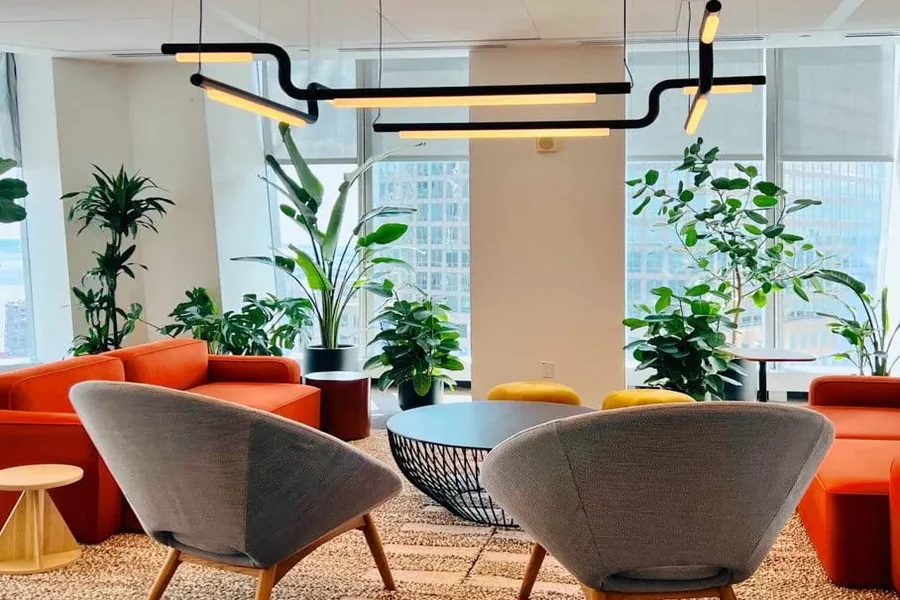
The Best Artificial Plants for Low-Light Interiors: Creating Green Spaces Where Real Plants Can’t Survive
My downtown loft features beautiful exposed brick, high ceilings, and one significant design challenge—windows on only one wall, leaving most of the space in perpetual dim light. Living plants consistently failed everywhere except directly beside windows. After years of trying every supposedly low-light tolerant plant variety, I finally accepted reality: if I wanted greenery throughout my space, artificial plants were the only viable solution.
Understanding the Low-Light Challenge
Interior spaces without adequate natural light present impossible conditions for most living plants. Humans perceive spaces as “bright enough” long before light levels support photosynthesis. What seems like reasonable lighting to us represents darkness to plants requiring minimum light thresholds to survive.
Common low-light locations include:
- Interior hallways and corridors
- Bathrooms without windows
- Basement living spaces
- Deep corners of large rooms
- Areas blocked by building structures
- North-facing rooms in northern climates
Traditional interior design advice suggests “low-light tolerant” plants like pothos, snake plants, or ZZ plants for these locations. I tried them all. They survived temporarily but slowly declined, losing vigor and eventually dying despite proper care otherwise.
Why Real Plants Fail in True Low Light
Even “low-light” plant varieties require minimums that dark interior spaces don’t provide. Marketing descriptions like “thrives in low light” really mean “survives temporarily in less light than other plants need.” No plants truly thrive in the dim conditions found in many interior spaces.
Watching expensive plants slowly deteriorate while trying to maintain attractive interior design proved frustrating and ultimately futile. The only real solution was accepting that true low-light locations required alternatives to living plants.
Artificial Plants That Convince in Low Light
Ironically, artificial plants often look MORE convincing in low-light locations than in bright ones. Subtle imperfections visible in bright light disappear in dimmer conditions. Our brains expect plants in dark locations to show some stress, making even slightly imperfect artificial plants seem natural in these environments.
This realization transformed my approach to interior greenery. Instead of fighting losing battles with struggling real plants, I could place beautiful artificial plants exactly where design demanded, creating the aesthetic I wanted without botanical constraints.
Best Artificial Plant Types for Dark Interiors
Large Floor Plants: Substantial artificial trees and floor plants create focal points in low-light areas where real plants would never survive. Fiddle leaf figs, birds of paradise, and large palms make dramatic statements in corners and beside furniture. Their size draws attention while their placement in dim areas makes detailed inspection unlikely.
Hanging and Shelf Plants: High placement in dim areas creates opportunities for draping plants like pothos, string of pearls, or ivy. These locations naturally receive even less light than floor level, making them completely unsuitable for real plants but perfect for quality artificial alternatives that maintain their appearance indefinitely.
Foliage-Heavy Selections: Plants featuring primarily leaves rather than flowers work best in low-light locations. Flowers often show color inconsistencies under various lighting conditions, while green foliage appears naturally dark in dim spaces. Ferns, philodendrons, and leafy tropical plants suit these applications perfectly.
Selecting Quality for Low-Light Placement
While low light masks some imperfections, quality still matters for convincing results. Premium artificial trees for interiors maintain realistic appearance through subtle color variations, natural leaf orientation, and appropriate material weight that creates realistic draping.
Budget artificial plants often feature uniform coloring and rigid stems that look obviously artificial even in low light. Premium products incorporate multiple shades within their color palette, natural-looking imperfections, and flexibility that mimics real plant movement.
Strategic Placement Techniques
Corners and Alcoves: Deep corners naturally receive minimal light, making them perfect for artificial plants while creating design interest in otherwise dead spaces. Large floor plants soften angular architecture and add organic elements that balance geometric interior features.
Hallways: Long, narrow hallways rarely have adequate light for real plants but desperately need visual interest. Placing artificial plants at intervals breaks up monotony while adding life to utilitarian spaces. Wall-mounted or console table plants work particularly well in these applications.
Bathrooms: Windowless bathrooms represent some of the most challenging spaces for greenery, yet plants dramatically improve these rooms’ ambiance. Moisture concerns make artificial plants doubly practical—they add freshness without mold risks that damp soil creates.
Behind Furniture: Areas behind sofas or bed headboards receive almost no light and can’t accommodate real plants that need occasional rotation toward windows. Artificial plants fill these spaces permanently without any maintenance concerns.
Creating Natural Appearance
Even quality artificial plants benefit from thoughtful placement that enhances realism:
Vary Heights and Sizes: Clustering multiple artificial plants at different heights creates natural-looking arrangements rather than obvious artificial placement.
Consider Proportions: Select plants sized appropriately for their locations. Oversized plants in tight spaces look forced regardless of whether they’re real or artificial.
Use Appropriate Containers: Premium pots and planters elevate artificial plants significantly. Natural materials like ceramic, concrete, or textured planters add authenticity that plastic containers undermine.
Add Complementary Elements: Placing artificial plants near natural materials—wood furniture, stone surfaces, or natural textiles—creates context that enhances their believability.
Maintenance and Longevity
Low-light locations accumulate less dust than brightly lit spaces near windows, meaning artificial plants in these areas require less frequent cleaning. Occasional dusting maintains their appearance without intensive maintenance.
Quality artificial plants in protected interior locations maintain their appearance indefinitely. Unlike real plants that decline despite best efforts in low-light conditions, premium artificial alternatives look identical years later, justifying higher initial investment through elimination of replacement costs.
The Design Freedom Reality
Accepting artificial plants for low-light locations liberated my interior design approach completely. I could finally create the green, organic spaces I wanted throughout my home rather than accepting that most of my square footage would remain plant-free due to lighting limitations.
This shift proved transformative. Rooms previously feeling sterile and cold became warm and inviting. The consistent greenery throughout my space created visual flow that disjointed pockets of struggling real plants near windows never achieved.
Final Recommendations
For anyone struggling with low-light interior spaces, embrace quality artificial plants rather than fighting botanical reality. Premium products create convincing results while eliminating the disappointment of watching expensive real plants slowly deteriorate. Strategic placement, appropriate sizing, and quality containers maximize realism while delivering maintenance-free beauty that real plants simply cannot provide in truly low-light conditions.