
Modern Social Spaces: Why Hookah Lounges Continue to Shape Lounge Culture
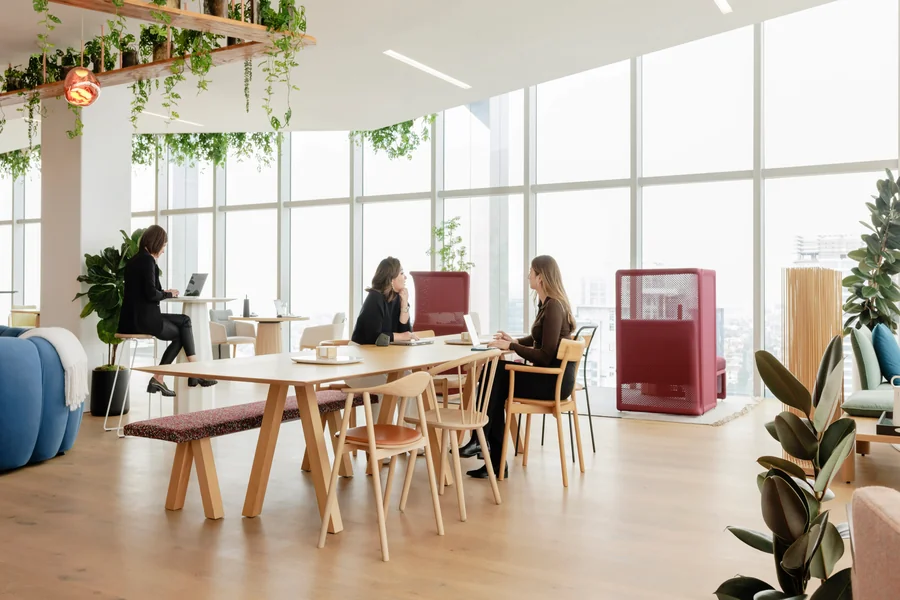
As modern life grows increasingly fast-paced and digital, the way people socialize has begun to shift. Today, many are stepping away from loud, high-energy venues in favor of spaces that feel intentional, calming, and human. Rather than chasing constant stimulation, people are seeking environments that allow them to slow down, connect, and be present with one another. This evolution has reshaped how social spaces are designed and experienced.
Lounges have emerged as a natural response to this cultural shift. Unlike traditional nightlife settings built around speed and spectacle, lounges emphasize atmosphere, comfort, and conversation. They invite guests to linger, settle in, and engage without pressure. In these environments, socializing feels less rushed and more meaningful, grounded in shared moments rather than fleeting interactions.
The Return of Intentional Socializing
In an era dominated by screens and notifications, physical spaces that encourage real interaction feel increasingly valuable. While digital platforms keep people connected, they often lack the nuance and warmth of face-to-face engagement. As a result, many individuals are rediscovering the importance of gathering in environments designed for presence rather than distraction.
Lounges fulfill this desire by offering settings that feel immersive without being overwhelming. Soft lighting, comfortable seating, and carefully curated soundscapes all work together to create an atmosphere that encourages conversation. These spaces are not designed for quick visits, but for shared time—allowing relationships to unfold naturally.
A Tradition Rooted in Culture
The idea of social gathering spaces is deeply rooted in cultural history. Across the world, societies have long valued places where people could meet, exchange ideas, and build community. Coffeehouses, salons, and cafés historically served as hubs for conversation, creativity, and connection. These environments were never just about food or drink—they were about the experience of being together.
In many ways, modern lounges carry this tradition forward. Much like cafés have historically functioned as centers for conversation and community, today’s lounges reflect a continued desire for spaces that balance comfort with social energy. They adapt old-world ideas of hospitality and communal gathering to contemporary lifestyles, blending tradition with modern design.
Where Hookah Lounges Fit In
Within the broader landscape of lounge culture, hookah lounges occupy a distinctive role. These spaces are often associated with a slower pace and a strong emphasis on togetherness. Seating arrangements typically encourage groups to gather closely, reinforcing conversation and shared presence rather than individual isolation.
For those unfamiliar with the concept, understanding what a hookah lounge is helps explain why these spaces continue to resonate across different cultures and cities. At their core, hookah lounges function as social environments designed around ambience, hospitality, and community. The focus is not on constant activity, but on creating a setting where people can relax and engage with one another over time.
Design That Shapes the Experience
Design plays a central role in how lounges are experienced. In hookah lounges in particular, the environment is carefully crafted to support relaxation and social flow. Interiors often feature warm color palettes, layered textures, and low, comfortable seating that encourages guests to settle in. Lighting is intentionally soft, creating an intimate atmosphere without feeling dim or closed off.
Music selection is equally considered. Rather than overpowering conversation, sound is curated to complement the mood of the space. Together, these elements create an environment that feels cohesive and inviting. Guests may not consciously analyze every design choice, but they feel the result—a sense of ease, comfort, and belonging.
Community Over Convenience
One of the defining characteristics of hookah lounges is their emphasis on community. These venues often attract regular visitors who return not just for the atmosphere, but for the connections they build there. Over time, lounges become familiar gathering places where conversations continue and relationships deepen.
Unlike spaces designed for quick turnover, hookah lounges encourage guests to stay. Time feels flexible, allowing interactions to unfold organically. This slower rhythm supports a style of socializing that feels increasingly rare—one rooted in presence rather than distraction.
A Counterbalance to Digital Life
As technology continues to shape how people communicate, physical gathering spaces offer an important counterbalance. Lounges provide an opportunity to reconnect with the tangible aspects of social interaction: shared laughter, eye contact, and the subtle rhythm of conversation. These moments foster a sense of connection that cannot be replicated digitally.
Hookah lounges, in particular, emphasize togetherness. Groups gather in shared spaces, reinforcing the idea of collective experience. In a world often defined by multitasking and divided attention, these environments feel grounding and restorative.
Why Hookah Lounges Remain Relevant
The continued popularity of hookah lounges speaks to their adaptability. While rooted in tradition, they have evolved to reflect modern tastes and expectations. Contemporary lounges often blend cultural influences with updated design, making them welcoming to a wide and diverse audience.
Their lasting relevance lies in their ability to meet a fundamental human need: connection. As long as people seek spaces that encourage conversation, comfort, and community, lounges will remain an essential part of social culture.
Looking Ahead
As cities grow and social habits continue to evolve, experience-driven spaces are likely to play an even greater role in how people gather. Hookah lounges represent one expression of this broader movement—places where design, atmosphere, and human interaction intersect.
By offering a slower, more intentional alternative to traditional nightlife, these lounges continue to carve out a meaningful place in modern social life. They remind us that some of the most memorable experiences are not defined by noise or novelty, but by spaces designed simply for people to come together and stay awhile.