
The Rise of Modern TV Consoles in Singaporean Homes

Evolving Aesthetics and Functionality
As open-concept living spaces become increasingly prevalent in Singaporean homes, the demand for sleek, minimalist, and multifunctional furniture has grown exponentially. Modern TV consoles are at the forefront of this trend, offering the perfect combination of utility, design, and contemporary elegance.
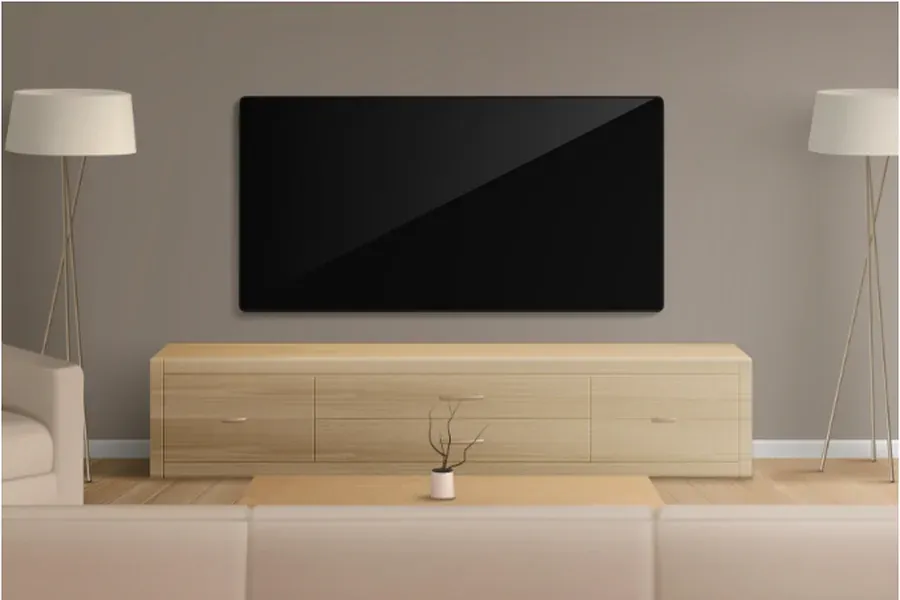
Singapore’s urban landscape is synonymous with architectural innovation, and this extends naturally to interior design. The rising popularity of modern tv console singapore reflects homeowners’ preference for sleek, space-saving designs that enhance both functionality and visual appeal. Homeowners are moving away from bulky, traditional wooden furniture and gravitating towards pieces that complement the compact yet sophisticated nature of modern apartments. A modern TV console often features clean lines, smooth surfaces, and a thoughtful mix of materials, including metal, glass, and engineered wood, resulting in a refined and chic appearance.
These consoles are not merely aesthetic statements; they serve multiple practical purposes. Many models incorporate integrated cable management systems to conceal unsightly wires, along with compartments to house media players, gaming consoles, and books. Some designs even include adaptable storage areas, allowing homeowners to tailor the console to their unique needs and maximise both convenience and efficiency.
Embracing Minimalism in Design
Minimalism, which focuses on simplicity and the intelligent use of space, has significantly influenced modern TV console design. A typical modern TV console in Singapore exhibits understated elegance, often in neutral tones such as white, grey, or beige. These shades allow the furniture to blend seamlessly with a wide range of interior decor themes while remaining visually unobtrusive.
Minimalist design does not imply a lack of functionality. On the contrary, it enhances usability by offering cleverly concealed storage and display solutions that keep living areas organised and clutter-free. The objective is to maximise space efficiency without compromising on style, allowing the living room to feel open, light, and inviting.
Integration with Smart Technology
The rise of smart home technology has further boosted the appeal of modern TV consoles. As homeowners increasingly adopt smart TVs and connected devices, furniture that supports technological integration has become essential. Many contemporary consoles feature built-in charging ports, wireless charging stations, and designated spaces for Internet of Things (IoT) devices, ensuring that all technology within the home functions efficiently and harmoniously.
With remote work and online streaming becoming more common, having a dedicated area for technology organisation is vital. Modern TV consoles provide elegant, practical solutions that keep work and entertainment devices neatly arranged, seamlessly supporting both productivity and leisure.
Customisation Options
Personalisation is a key element of contemporary interior design, and modern TV consoles often offer a range of customisation options. Modular designs allow homeowners to adjust configurations according to their space and functional needs. This flexibility is especially valuable in Singapore, where living spaces range from compact HDB flats to larger private residences.
Buyers can often select materials, finishes, and dimensions to create bespoke furniture that aligns with their personal style and fits perfectly within their living space. This ability to customise ensures that each console not only complements the physical layout of the home but also reflects the homeowner’s unique taste and lifestyle.
Environmental Considerations
Sustainability has become an important factor in consumer choices, and it has influenced the design and production of modern TV consoles. Many are crafted using environmentally friendly materials, such as reclaimed wood or low-impact metals. Manufacturers are increasingly mindful of their ecological footprint, adopting sustainable practices while maintaining high design standards.
Eco-conscious consumers in Singapore are actively seeking furniture that satisfies both aesthetic and functional needs while contributing positively to the environment. This shift toward sustainable furniture reflects a growing awareness of global environmental concerns and the desire to support responsible production practices.
The Cultural Impact
Modern TV consoles in Singapore are also shaped by cultural and societal influences. In a multicultural city, interior design often fuses modern and traditional elements. While contemporary in appearance, some consoles subtly incorporate Asian design motifs, such as intricate patterns or textures, which connect the furniture to the region’s rich cultural heritage.
Additionally, many homeowners consider feng shui principles when arranging their living spaces. The placement and orientation of furniture, including TV consoles, can influence energy flow within the home. These cultural considerations further demonstrate how modern TV consoles serve not only functional and aesthetic purposes but also play a role in the holistic design of living spaces.
The Influence of Global Trends
Singapore is a cosmopolitan city, and its interior design reflects international influences. Modern TV consoles often draw inspiration from global trends, including Scandinavian minimalism, industrial chic, and Japanese elegance. This exposure ensures that Singaporean interiors remain at the forefront of contemporary design, blending local preferences with international style.
Today’s modern TV consoles combine global aesthetics with the practical requirements of Singaporean homes, offering solutions that are both stylish and functional. They exemplify the intersection of culture, technology, and design, moving beyond simple television stands to become integral elements of contemporary living.
The Role of Retail and Design Culture
The retail landscape in Singapore has played a crucial role in shaping the popularity and design of modern TV consoles. Furniture stores and boutique design studios provide consumers with access to a wide array of options, catering to various budgets and tastes. These retailers showcase the latest trends, inspiring homeowners to rethink their living spaces and embrace innovative solutions.
Design exhibitions and home fairs further promote modern furniture, giving designers a platform to present creative console concepts. Consumers can engage directly with the furniture, experiencing both its functionality and aesthetic appeal. These events foster an appreciation for design innovation and encourage investment in quality home furnishings.
Investing in Quality and Craftsmanship
Quality and craftsmanship are central to modern TV console design. Homeowners increasingly prioritise durable, well-made pieces over mass-produced alternatives. A high-quality console combines meticulous construction, attention to detail, and premium materials, resulting in furniture that withstands daily use and retains its visual appeal over time.
Singaporean consumers, known for their discerning taste, are often willing to invest in premium furniture that aligns with their standards for style and durability. This focus on craftsmanship ensures that modern TV consoles are not only functional but also enduring investments that enhance the overall living environment.
Conclusion on Living Trends
Modern TV consoles have evolved beyond their traditional role as mere supports for televisions. In urban centres like Singapore, where space is often limited, these consoles optimise both design and utility, seamlessly integrating with technology-driven lifestyles. They embody the convergence of culture, innovation, and aesthetics, reflecting broader trends in interior design and modern living.
By embracing multifunctionality, smart technology integration, and elegant design, modern TV consoles have become essential elements of contemporary Singaporean homes. They demonstrate that furniture can simultaneously satisfy practical needs, reflect personal style, and contribute to an environmentally responsible and culturally sensitive living environment.