
Enhancing Interiors: A Comprehensive Guide to Window Film Installation
Enhancing the functionality and aesthetic appeal of buildings through window film installation has become an increasingly popular choice for both residential and commercial properties. The process offers a multitude of benefits ranging from energy efficiency to privacy enhancement. As demand grows, window film installation continues to evolve with advanced materials that offer improved durability and performance. With innovations in technology, the modern solutions available today serve as an indispensable addition to buildings seeking to reduce glare, protect interiors, and improve energy efficiency.
The Basics of Window Film
Window film is a thin laminate film that can be installed on the interior or exterior of glass surfaces. It is primarily made from polyethene terephthalate (PET), a thermoplastic polymer resin of the polyester family, which is valued for its superior durability and clarity. This innovative product can be used on windows in homes, offices, cars, and even planes to perform several functions depending on the chosen type of film.
Types of Window Film
Understanding the types of window film available helps in selecting the right fit for individual needs. Common variants include:
- Solar Control Film: Designed to reduce heat and glare from the sun. This type is particularly beneficial for maintaining cooler indoor environments and reducing the need for air conditioning.
- Security Film: These films are engineered to hold shattered glass together, providing an additional layer of security during break-ins or natural disasters.
- Decorative Film: Available in a variety of patterns and styles, decorative films add a level of aesthetic enhancement to glass surfaces while providing privacy.
- Privacy Film: Opaque or frosted films ensure privacy by obstructing visibility from the outside.
- UV Protection Film: Incorporates filters to block harmful ultraviolet rays, protecting interiors from fading and damage.
Benefits of Installing Window Film
Window film installation provides extensive benefits besides the obvious cost savings on energy bills. The adaptability and multifaceted features improve the overall value of a property.
Energy Efficiency
Window films significantly reduce energy costs by reflecting heat away from a building, hence lowering the burden on air conditioning systems. They act as a thermal shield, helping maintain interior temperatures and achieving energy efficiency.
UV Protection
Up to 99% of harmful ultraviolet rays can be blocked by window films. This not only protects occupants’ skin from UV exposure but also prevents furnishing, artwork, and flooring from fading and deterioration.
Enhanced Security
Security films are notably robust and help prevent windows from shattering upon impact, be it from an intruder or extreme weather conditions. They form a protective barrier that is crucial for safety.
Glare Reduction
Bright sunlight can be intrusive and uncomfortable, causing glare on screens and discomfort to occupants. Installing window film means reducing the strain from sunlight glare, promoting a comfortable and productive environment.
Privacy and Aesthetics
Beyond the functional advantages, window films are available in decorative patterns and finishes that enhance privacy without compromising natural light. This capability allows for creative design options to meet aesthetic preferences while ensuring privacy.
Installation Process
The window film installation process should ideally be undertaken by professionals to ensure precision and longevity. However, understanding the general procedure is beneficial for end-users and managers overseeing large projects.
Preparation
Preparation is key. The glass surface must be thoroughly cleaned to remove any dirt or oil. This ensures proper adhesion of the film to the window surface, preventing future peeling or damage.
Cutting and Sizing
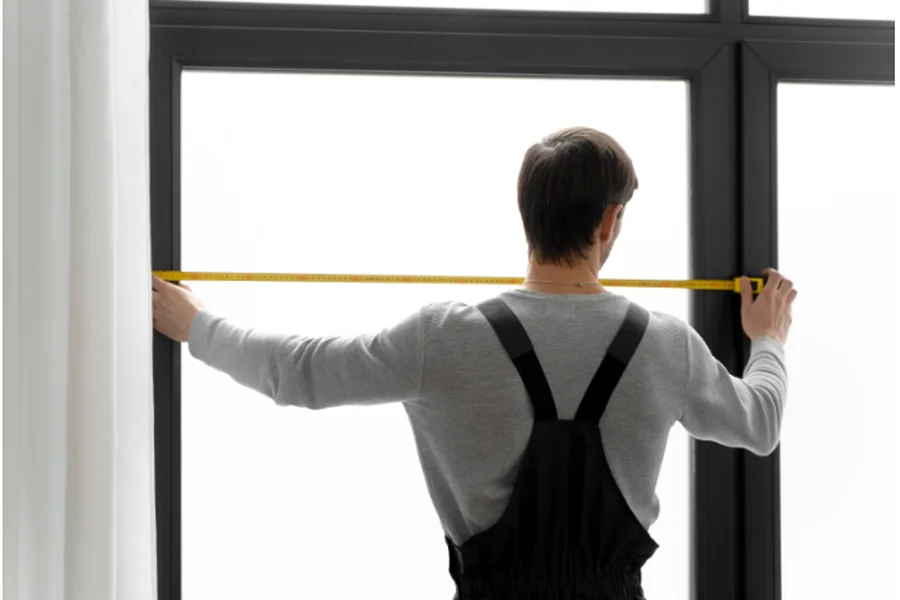
The film is carefully measured and cut to the exact dimensions of the glass pane to ensure a perfect fit. Accuracy in cutting is crucial to avoid any visible gaps or overlaps.
Application
The application involves spraying a water-based solution onto the window. This allows the film to be positioned and adjusted easily before it adheres to the surface. The backing layer of the film is then peeled away, and the film is applied to the glass surface.
Trimming and Finishing
Excess film is trimmed off, and any air bubbles or moisture beneath the film are smoothed out using a squeegee or similar tool. This ensures a clean, professional finish and optimal performance.
Curing
Finally, the film needs time to cure properly, usually taking several days. During this time, minor imperfections may self-correct as the adhesive sets and any remaining moisture evaporates.
Considerations and Maintenance
Considerations for window film installation extend beyond immediate benefits and involve understanding long-term maintenance requirements to ensure durability and functionality.
Quality and Warranties
Opting for high-quality films from reputable manufacturers ensures better performance and longer lifespans. Often accompanied by warranties, these films assure reliability and cost-effectiveness over time.
Regular Cleaning
Once installed, window films require minimal maintenance. Cleaning should involve gentle solutions and non-abrasive materials to avoid scratching or degrading the film. Regular cleaning also enhances the film’s appearance and functionality.
Professional Assistance
Complex installations, especially those involving large commercial settings or speciality films like security films, should always be handled by professionals to ensure compliance with industry standards and to maximise benefits.
Future of Window Film Technology
As sustainability issues and design advancements continue to dominate architectural discussions, window films are poised for further technological enhancements. Potential developments include smarter films that dynamically adjust tint or warmth based on sunlight intensity, further integrating technology with environmental considerations.
The ongoing shift towards sustainable, energy-efficient solutions emphasises the key role that window film technology plays in modern architecture. Whether for homes, businesses, or vehicles, investing in these smart solutions reflects not only an environmental responsibility but also a commitment to enhancing occupants’ quality of life through innovative, functional design.