
Animal Stories: A Warm and Natural Way to Start a Video Conversation
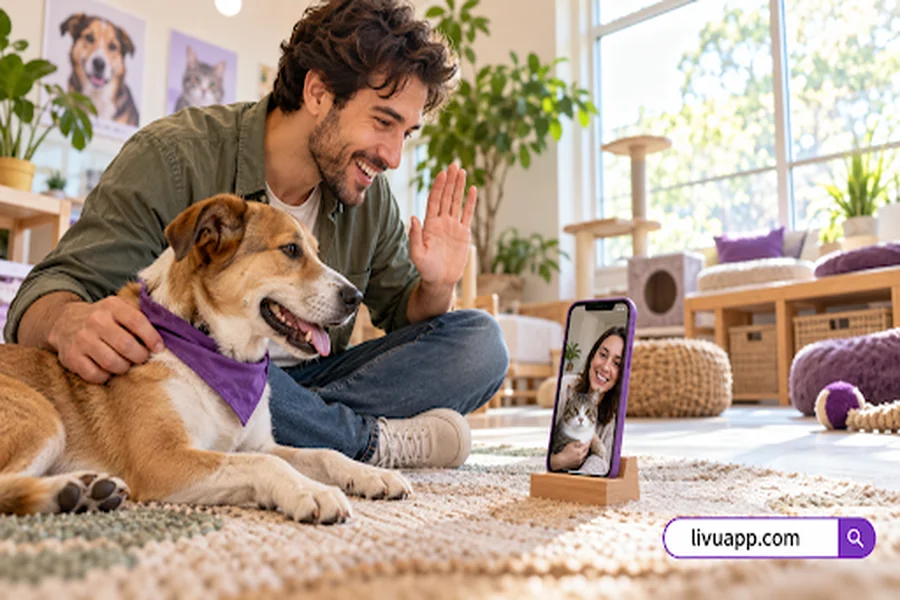
Animals have a way of making conversations feel less formal. A dog walking into the frame, a cat watching the screen, or a story about a neighborhood bird can give two people an immediate subject that does not depend on rehearsed introductions.
On www.livu, animal stories can help participants discover humor, patience, responsibility, and cultural differences. Someone does not need to own a pet to join the conversation; observations about wildlife, rescue animals, or childhood experiences work just as well.
After using login livu, a caller may notice an animal in the other person’s background. A considerate question can turn that unexpected appearance into a relaxed exchange—provided the animal’s comfort and the owner’s boundaries come first.
Ask Permission Before Making the Animal the Topic
If an animal appears on camera, do not assume the other person wants to discuss it. Begin with a simple question such as, “Would you mind telling me about your dog?”
This gives them an easy choice. The animal may belong to a roommate, family member, workplace, or rescue organization rather than the person on screen.
If they would rather continue with another subject, accept the answer. A visible animal is not an invitation to request a full tour, personal history, or demonstration.
Begin With the Name Story
Pet names often have entertaining origins. A name may describe the animal’s appearance, reflect a favorite character, come from another language, or result from a funny moment.
Useful follow-up questions include:
- “Who chose the name?”
- “Did the animal have a different name before?”
- “Does the name match its personality?”
- “Is it a common pet name where you live?”
- “Does the animal respond to any nicknames?”
These questions are light but specific, giving the other person room to tell a story rather than provide one-word answers.
Ask About Habits, Not Performances
People often ask to see an animal perform a trick. That request can place pressure on both the owner and the animal, especially when they have just met.
Instead, ask about ordinary habits:
- Where does the animal like to sleep?
- What time of day is it most active?
- Does it have a favorite toy?
- What harmless behavior always makes people laugh?
- Is it curious about video calls?
Everyday habits often produce better stories than rehearsed tricks. They reveal how animals fit naturally into a household.
Let the Animal Choose Whether to Participate
Animals may walk away, hide, become distracted, or refuse to look at the camera. That is normal.
Do not ask someone to wake a sleeping pet, pick up an animal that dislikes being held, or repeatedly call it back into frame. A video conversation should not interrupt feeding, rest, training, or recovery.
If the animal leaves, continue the story without it. Respect for its comfort is more important than obtaining a perfect on-screen moment.
Include People Who Do Not Own Pets
Not everyone can or wants to keep an animal. Housing rules, allergies, work schedules, cost, family preferences, or personal comfort may make pet ownership impractical.
Use broader questions so everyone can participate:
- “Is there an animal you often notice near your home?”
- “Did you grow up around any animals?”
- “Which animal do you enjoy observing?”
- “Have you ever helped an injured or lost animal?”
- “Is there a species common in your city?”
A person may have an interesting story about pigeons, squirrels, street cats, farm animals, or birds without ever having owned one.
Compare Urban Animal Life
Cities support more animal life than people sometimes realize. Birds nest on buildings, small mammals use parks, and community groups may care for free-roaming cats or dogs.
Ask which animals are common in the other person’s area and how residents respond to them. Are certain birds considered noisy? Do people leave water outside during hot weather? Are there local rescue or adoption programs?
Avoid treating unfamiliar practices as proof that a community does not care about animals. Laws, resources, public health needs, and cultural expectations differ between places.
Share a Funny Story Without Embarrassing Anyone
Animal behavior can be funny, but the humor should not depend on fear, distress, or punishment. A dog stealing a sock or a cat sitting inside an empty box can produce a cheerful story without compromising welfare.
When telling the story, include your own reaction or mistake. Perhaps you searched for an object before discovering where the animal had hidden it. This keeps the tone affectionate rather than mocking.
Avoid sharing footage that exposes another person’s private home or includes someone who did not agree to appear.
Discuss Adoption With Sensitivity
Adoption and rescue experiences can be meaningful subjects, but they may also involve difficult histories. Let the owner decide how much detail to provide.
Good questions focus on the relationship now: “What helped the animal become comfortable?” or “What have you learned since adopting it?”
Do not demand information about trauma, neglect, or previous owners. It is possible to appreciate a rescue story without turning an animal’s suffering into entertainment.
Avoid Unrequested Health Advice
If someone mentions that an animal is unwell, respond with empathy rather than diagnosis. Veterinary care depends on the species, condition, location, and professional assessment.
Statements such as “My pet had that, so you should use this treatment” may be unsafe. A better response is, “That sounds worrying. I hope you can get appropriate veterinary guidance.”
The same principle applies to feeding, behavior, and training. Personal experiences can be shared as experiences, not universal instructions.
Explore Animal Words Across Languages
Animals can create a playful language exchange. Different languages imitate animal sounds in different ways, and the same species may have several common names or affectionate nicknames.
Ask how a dog’s bark, cat’s sound, or bird call is written in another language. The differences can be surprising because people hear and represent sounds through their own language systems.
Keep the activity respectful. Pronunciation attempts should invite friendly correction rather than ridicule.
Talk About What Animals Teach People
Living with or observing animals can change how people understand patience, routine, trust, and nonverbal communication.
Ask questions such as:
- “Has an animal ever changed one of your habits?”
- “What have you learned from caring for one?”
- “Do animals notice emotions?”
- “What behavior took you time to understand?”
- “Has an animal helped you meet people in your community?”
These prompts move the conversation beyond cute appearances and toward personal reflection.
Keep Privacy and Safety in View
Pet tags, veterinary documents, adoption records, and background notices may contain names, addresses, or phone numbers. Check what is visible before bringing them close to the camera.
Avoid showing a home entrance, exact walking route, or real-time location. If speaking from a public animal area, remain attentive to staff instructions and nearby people.
Phones should also be kept away from animals that might knock them over, chew cables, or become frightened by sudden sounds.
A Shared Subject With Room to Grow
Animal conversations work because they combine observation, emotion, culture, and storytelling. They can remain light and funny or develop into thoughtful discussions about responsibility and trust.
www.livu can make these exchanges feel immediate when an animal naturally enters the frame or a participant shares a meaningful memory. In the same way, login livu can become the first step toward a conversation in which neither person needs a perfectly prepared topic.
The most memorable animal moment may be a playful interruption, a quiet story, or simply the decision to let a tired pet walk away. Respect makes all three worth sharing.