
Facelift Tourism in Albania: Why European Patients Are Choosing Tirana Over London and Paris

The European cosmetic surgery landscape is undergoing a quiet revolution. While London’s Harley Street and Paris’s upscale clinics have long been the gold standard for aesthetic procedures, a new contender has emerged from an unexpected corner of the continent. Albania, particularly its capital Tirana, is rapidly becoming the destination of choice for discerning patients seeking facelift surgery—and the reasons extend far beyond cost savings.
The Rise of Medical Tourism in Eastern Europe
Medical tourism isn’t new, but its geography is shifting. For years, patients traveled to Thailand, Mexico, or Turkey for affordable cosmetic procedures. Today, European patients are discovering they don’t need to fly halfway around the world to access top-tier surgical expertise at reasonable prices. Eastern European countries, particularly those working toward EU membership like Albania, have invested heavily in healthcare infrastructure while maintaining significantly lower operational costs than their Western counterparts.
Albania’s emergence as a medical tourism hub reflects broader trends: globalization of medical training, standardization of surgical techniques, and the internet’s role in connecting patients with providers. What sets Albania apart is its unique combination of European quality standards, highly trained surgeons, competitive pricing, and the appeal of a Mediterranean destination that’s still largely undiscovered by mass tourism.
The Facelift Price Reality Across Europe
The cost disparity for facelift surgery across Europe is striking. In the United Kingdom, a comprehensive facelift ranges from £8,000 to £15,000, with London’s premier surgeons commanding prices at the higher end or beyond. France and Germany offer similar procedures for €7,000 to €12,000, while Switzerland’s clinics can charge €15,000 or more.
Albania presents a dramatically different picture: comprehensive facelift procedures cost between €2,500 and €4,500, representing savings of 60-75% compared to Western European prices. These figures include the surgeon’s fees, anesthesia, facility costs, and immediate post-operative care.
The question naturally arises: how can Albanian clinics offer such competitive prices without compromising quality? The answer lies in economics rather than expertise. Albania’s cost of living is significantly lower, which translates to reduced overhead for clinics—lower rent, staff salaries, and operational expenses. Additionally, the competitive medical tourism market keeps prices accessible, while surgeons maintain high standards to build international reputations that bring continued patient flow.
Currency advantages also play a role. The Albanian Lek’s exchange rate favors foreign patients, particularly those paying in British pounds, euros, or Swiss francs. Critically, these lower prices don’t reflect inferior materials, outdated techniques, or less-qualified surgeons—they simply represent different economic realities.
What Makes Albanian Facelift Surgeons Stand Out
Albanian plastic surgeons have earned their reputation through rigorous training and continuous education. Many have completed their medical degrees in Albania before pursuing specializations in prestigious institutions across Italy, Germany, the United Kingdom, and other European countries. This international training brings diverse techniques and global best practices to Albanian operating rooms.
Certification standards are stringent. Plastic surgeons in Albania must complete extensive residency programs and often hold memberships in international societies such as the International Society of Aesthetic Plastic Surgery (ISAPS) or equivalent European organizations. Many Albanian clinics proudly display their accreditations and certifications, which are subject to regular audits and renewals.
The techniques available in Tirana match those found anywhere in Europe. Patients seeking facelift procedures in Albania can access:
- Traditional SMAS facelifts: The gold standard technique that addresses deep facial structures for long-lasting results
- Mini-facelifts: Less invasive procedures targeting early signs of aging with shorter recovery times
- Thread lifts: Non-surgical alternatives using medical-grade sutures to lift and tighten skin
- Deep plane facelifts: Advanced technique for natural-looking results in patients with significant aging
- Combination procedures: Facelifts paired with neck lifts, eyelid surgery, or fat grafting for comprehensive rejuvenation
Technology in Albanian clinics rivals that of Western facilities. High-definition surgical cameras, advanced anesthesia monitoring equipment, and modern operating theaters equipped with air filtration systems are standard. Many clinics have invested in 3D imaging technology that allows patients to visualize potential outcomes before committing to surgery.
Perhaps most importantly, Albanian surgeons typically have more surgical volume than their Western counterparts. The influx of international patients means many perform several facelift procedures weekly, maintaining and refining their skills continuously. This regular practice translates to refined technique and consistent results.
The Patient Journey: From Consultation to Recovery
The medical tourism experience in Albania is designed for convenience and comfort, recognizing that patients are combining a significant medical procedure with international travel.
Pre-Surgery: Virtual Consultations and Planning
The process typically begins with a virtual consultation, now standard practice in the post-pandemic world. Patients submit photographs from multiple angles, medical history forms, and details about their aesthetic goals. Albanian surgeons use these consultations to assess candidacy, discuss realistic outcomes, explain technique options, and provide preliminary cost estimates.
This remote assessment is thorough. Surgeons evaluate skin quality, degree of facial aging, underlying bone structure, and any asymmetries. They’ll discuss factors like smoking status (which affects healing), medications that may need to be adjusted, and any medical conditions that could impact surgery or recovery. Many clinics use secure video conferencing for face-to-face discussions, allowing patients to ask questions and gauge their comfort level with the surgeon before committing.
For patients who prefer in-person consultations first, some opt for a preliminary trip to Tirana to meet surgeons, tour facilities, and make final decisions before returning for the actual procedure.
Arrival and Pre-Operative Assessments
Most patients arrive in Tirana 1-2 days before their scheduled surgery. Clinics typically offer complimentary airport pickup services, arranging comfortable transfers to nearby hotels. Recommended accommodations are usually within walking distance or short drives from the clinic, chosen for their comfort, cleanliness, and English-speaking staff.
The pre-operative appointment includes comprehensive health assessments: blood tests, ECG, blood pressure monitoring, and a final surgical consultation. Surgeons take detailed measurements and photographs, mark surgical plans, and review the expected timeline once more. Anesthesiologists meet with patients to discuss sedation options and answer questions about what to expect during surgery.
This is also when patients finalize aesthetic details: how much lift they want, whether they’re combining the facelift with other procedures, and their preferences regarding scar placement. Albanian surgeons pride themselves on natural-looking results that refresh rather than dramatically alter appearance—a philosophy that aligns with current European aesthetic preferences.
Surgery Day: What to Expect
Facelift surgery in Albania typically takes 3-5 hours depending on the technique and whether additional procedures are included. Most patients receive general anesthesia or deep sedation, administered by board-certified anesthesiologists using modern monitoring equipment.
The procedure follows established international protocols. For a traditional SMAS facelift, surgeons make incisions along the hairline and around the ears, carefully designed to be concealed within natural contours. They then lift and reposition the underlying SMAS layer (superficial musculoaponeurotic system), remove excess skin, and close incisions with meticulous suturing techniques that minimize scarring.
Throughout surgery, patients are monitored continuously. Operating rooms in reputable Albanian clinics meet or exceed European standards, with backup power systems, sterile environments, and emergency protocols in place. Most facilities are accredited by international health bodies, ensuring compliance with rigorous safety standards.
After surgery, patients spend several hours in a recovery room under nursing supervision before being cleared to return to their hotels. Some clinics offer overnight observation for patients who prefer extra monitoring or are combining multiple procedures.
Recovery Timeline in Tirana
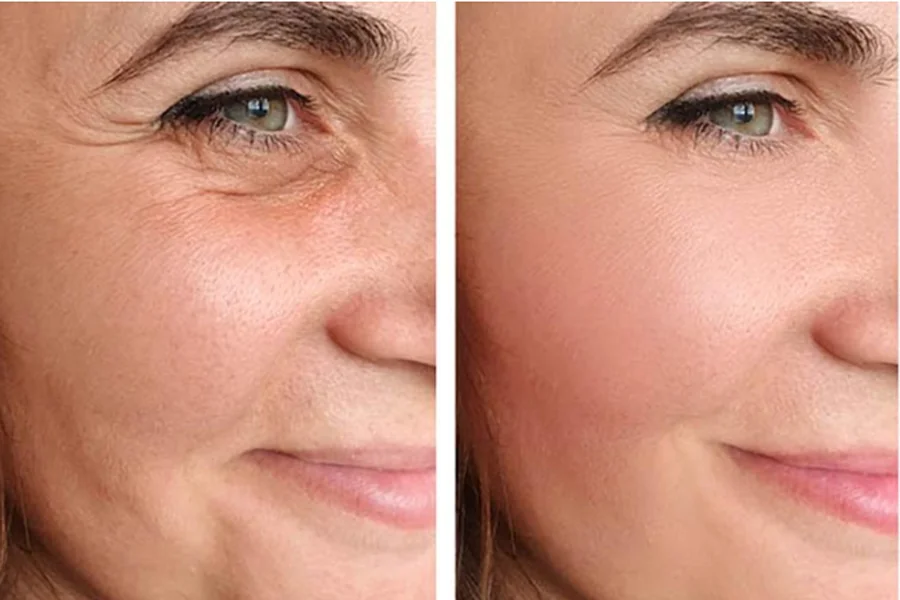
The first 48 hours post-surgery are critical. Patients experience swelling, bruising, and discomfort—normal responses to the surgical trauma. Albanian clinics typically schedule daily check-ups during this period to monitor healing, remove drainage tubes if used, and ensure no complications are developing.
Pain management is proactive. Prescribed medications keep discomfort manageable, while cold compresses reduce swelling. Patients are advised to keep their heads elevated, avoid strenuous activity, and follow specific dietary guidelines to support healing.
By days 3-5, most patients feel well enough for gentle activities like short walks around Tirana. Swelling begins to subside, though bruising may still be visible. Sutures are usually removed around day 7-10, a relatively quick and painless process.
Most patients remain in Albania for 7-10 days post-surgery, allowing for adequate healing before the flight home. This timeline ensures any early complications can be addressed, gives the surgical team multiple opportunities to assess progress, and allows sufficient recovery before facing the rigors of travel.
Post-Operative Care and Follow-Up
Albanian clinics maintain relationships with patients well beyond their departure. Follow-up protocols typically include:
- Video check-ins at 2 weeks, 1 month, and 3 months post-surgery
- 24/7 availability for urgent questions or concerns
- Coordination with local doctors if issues arise requiring in-person assessment
- Long-term satisfaction surveys at 6 months and 1 year
Many clinics provide comprehensive aftercare packages in their fees, including all follow-up appointments during the initial stay and remote consultations afterward. This continuity of care ensures patients don’t feel abandoned once they leave Albania.
For optimal results, patients are advised to avoid sun exposure, maintain stable weight, stay hydrated, and follow skincare regimens recommended by their surgeons. Most see continued improvement over 3-6 months as swelling fully resolves and tissues settle into their new positions.
Real Patient Results and Satisfaction
Patient testimonials from Albanian facelift clinics reveal consistent themes: surprise at the quality of care, satisfaction with natural-looking results, and appreciation for the attentive service. Many patients from the UK report that their Albanian surgical experience exceeded their NHS or private UK clinic experiences in terms of surgeon availability, staff attention, and overall comfort.
Success rates for facelift surgery in Albania mirror international averages, with complication rates well below 5% when performed by qualified surgeons in accredited facilities. Common minor complications—temporary numbness, prolonged swelling, or minor asymmetries—typically resolve without intervention. Serious complications like hematomas or nerve damage are rare and generally manageable when caught early through proper follow-up protocols.
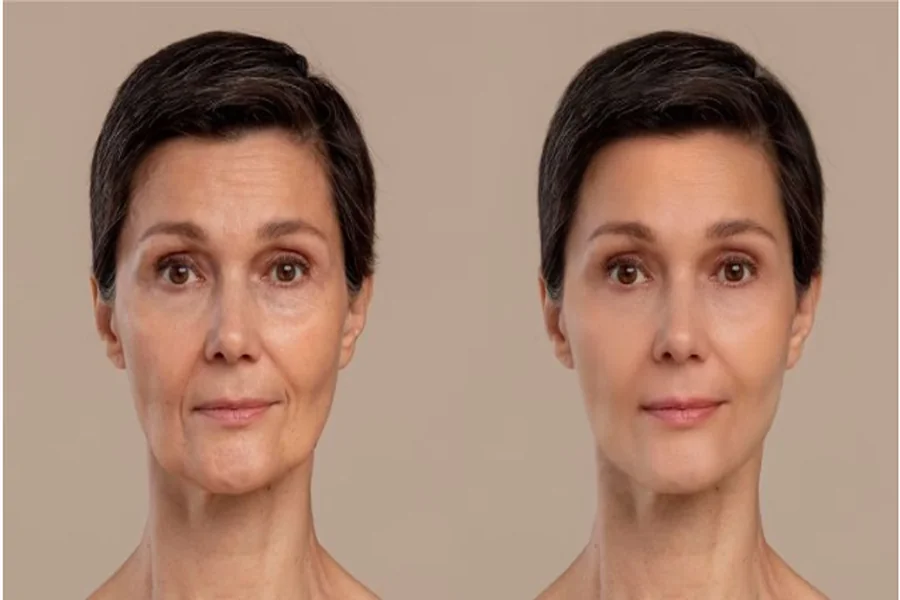
Before-and-after galleries from reputable Albanian clinics showcase results that favor subtle enhancement over dramatic change. Modern facelift philosophy emphasizes restoring youthful proportions and skin quality rather than creating an “operated” appearance—a principle Albanian surgeons embrace enthusiastically.
Patient demographics tell an interesting story. While early medical tourists to Albania were primarily budget-conscious individuals willing to take chances for savings, today’s patients include affluent Europeans who choose Albania for reasons beyond cost. They appreciate shorter waiting times, personalized attention, and the ability to combine surgery with a discreet getaway where they’re unlikely to encounter acquaintances during recovery.
Combining Surgery with a European Getaway
One of medical tourism’s unexpected benefits is the opportunity to experience a new destination, and Tirana offers more than most patients expect. Albania’s capital has transformed dramatically over the past decade, evolving from a post-communist city finding its identity to a vibrant European capital with thriving arts, culinary, and cultural scenes.
During the recovery period, when strenuous activities are off-limits but gentle exploration is possible, Tirana provides plenty of low-key entertainment. The city center is compact and walkable, with charming cafés where patients can rest while people-watching. Museums like the National Historical Museum and Bunk’Art (a massive Cold War bunker turned museum) offer cultural enrichment without physical exertion.
Albanian cuisine—a delicious fusion of Mediterranean, Turkish, and Italian influences—is both comforting and nourishing during recovery. Local dishes feature fresh vegetables, grilled meats, excellent cheeses, and seafood, all prepared with generous olive oil and herbs. Restaurants accommodate dietary restrictions easily, and prices remain remarkably affordable even at upscale establishments.
For patients returning for follow-up appointments months later or those who recover quickly, Albania offers spectacular attractions within easy reach of Tirana. The Albanian Riviera’s turquoise waters and pristine beaches are just a few hours’ drive south. UNESCO World Heritage sites like Berat and Gjirokastër showcase Ottoman-era architecture and living history. The Albanian Alps in the north offer stunning mountain scenery and traditional villages frozen in time.
Many patients time their facelift trips to coincide with pleasant weather—spring (April-May) and early autumn (September-October) offer mild temperatures perfect for comfortable recovery and gentle sightseeing. Summer brings heat but also vibrant energy and beach access, while winter sees fewer tourists and lower accommodation prices.
Safety Considerations and Clinic Selection
While Albania offers tremendous value, patients must exercise due diligence. The medical tourism boom has attracted both excellent practitioners and opportunistic operators. Distinguishing between them requires careful research.
Red flags to watch for:
- Clinics that pressure immediate booking without allowing time for research
- Prices significantly below market average, even for Albania
- No verifiable surgeon credentials or international certifications
- Reluctance to provide patient references or before-and-after photos
- Poor communication or evasive answers to specific questions
- Facilities that seem makeshift or lack proper medical equipment
- No clear policy on handling complications
Green flags indicating quality:
- Surgeons with credentials verifiable through international medical databases
- Membership in organizations like ISAPS, EBOPRAS (European Board of Plastic Surgery), or national medical associations
- Modern, clean facilities with proper accreditation
- Transparent pricing with written contracts detailing what’s included
- Professional staff who communicate clearly in your language
- Detailed pre-operative instructions and post-operative care plans
- Emergency protocols and relationship with nearby hospitals
- Positive reviews across multiple independent platforms
Essential questions to ask during consultations:
- Where did the surgeon train, and how long have they been performing facelifts?
- What specific technique will be used, and why is it recommended for your case?
- Can you speak with previous patients from your country?
- What brands of sutures, implants (if applicable), and medications are used?
- What happens if complications arise—during your stay or after you return home?
- Is there a warranty or revision policy if results don’t meet expectations?
- What are realistic outcomes given your age, skin quality, and degree of aging?
- Are there package deals that include accommodation and transfers?
Patients should never hesitate to walk away from clinics that don’t inspire confidence. Reputable Albanian surgeons welcome thorough questioning—they understand that informed patients make better decisions and have more realistic expectations, leading to higher satisfaction.
The Long-Term Value Proposition
When evaluating facelift surgery in Albania, consider the total value beyond initial cost savings. A well-performed facelift typically lasts 7-10 years before significant aging becomes apparent again. During this decade, patients enjoy improved confidence, professional advantages, and personal satisfaction that extend far beyond the financial investment.
The cost difference between Albanian and Western European facelifts—often £5,000 to £10,000—represents substantial savings that many patients redirect toward other priorities: investing, home improvements, or additional aesthetic treatments to maintain results. Some choose to have complementary procedures done in Albania during the same trip, maximizing their medical tourism investment.
Moreover, Albania’s ongoing development means infrastructure continues improving. New hotels, better flights, and expanding medical facilities suggest that Albania’s position as a medical tourism destination will only strengthen. Early adopters benefit from current pricing while quality continues rising.
The Future of Medical Tourism in Albania
Albania’s medical tourism trajectory appears poised for continued growth. Government initiatives actively promote health tourism, recognizing its economic benefits and its role in raising international perceptions of Albanian healthcare. Regulatory frameworks are tightening, ensuring that clinics meet international standards and that subpar operators are gradually eliminated.
Direct flights from major European cities to Tirana have increased, with carriers like Wizz Air, British Airways, and Lufthansa offering regular service. Flight times from London, Rome, or Vienna are just 2-3 hours—shorter than trips to many traditional medical tourism destinations. Improved air connections make Albania increasingly convenient for European patients.
International partnerships are forming. Some Albanian clinics have established relationships with patient coordinators in Western countries, making it easier for patients to navigate the process. Telemedicine platforms facilitate consultations and follow-ups, while medical tourism insurance products specifically covering treatment abroad are becoming more common.
The next wave of Albanian medical tourism will likely see increased specialization, with clinics developing expertise in specific procedures and marketing to particular demographics. This specialization should drive quality improvements as facilities compete on expertise rather than price alone.
Making the Decision
Choosing to have facelift surgery in Albania requires weighing multiple factors: the substantial cost savings, the quality of surgical care, the convenience of travel, and personal comfort with medical tourism. For many European patients, Albania presents an almost irresistible value proposition—qualified surgeons, modern facilities, significant savings, and an interesting destination all wrapped into one experience.
The key to success lies in approaching the decision methodically. Research thoroughly, communicate extensively with potential surgeons, verify credentials independently, and trust your instincts about which clinic feels right. Patients who invest time in preparation typically report the highest satisfaction levels.
It’s worth acknowledging that medical tourism isn’t for everyone. Those who value having their surgeon nearby for all follow-ups, who feel uncomfortable traveling for medical care, or who have complex medical histories requiring specialized local monitoring may prefer treatment closer to home. These are valid considerations that should influence the decision.
However, for patients comfortable with international healthcare, willing to travel twice (or even just once if they’re combining recovery with a vacation), and motivated by both cost savings and the adventure of medical tourism, Albania offers compelling advantages. The country’s combination of European standards, affordable pricing, skilled surgeons, and natural beauty creates a package that’s difficult to match elsewhere in Europe.
Conclusion
The shift of cosmetic surgery patients from London and Paris to Tirana isn’t just about cost—it represents a broader recognition that quality healthcare transcends geography. Albanian plastic surgeons have proven that with proper training, modern equipment, and dedication to patient care, they can deliver results that rival or exceed those from traditional cosmetic surgery capitals.
For European patients considering facelift surgery, Albania deserves serious consideration. The opportunity to achieve significant facial rejuvenation at a fraction of Western European costs, while experiencing a fascinating and beautiful country, presents unique value. As medical tourism continues evolving, Albania is positioned to become a leading destination for discerning patients who refuse to compromise on quality but appreciate sensible value.
Those interested in exploring this option can begin with a simple consultation, reviewing their case with qualified surgeons and assessing whether Albanian medical tourism aligns with their needs and expectations. The decision to pursue facelift procedures in Albania could represent not just a financial choice, but a life-enhancing decision that combines aesthetic improvement with cultural enrichment—a uniquely rewarding combination that captures the best of what medical tourism can offer.