
The Multiple Factors That Make Jackknife Accident Cases Harder to Untangle
Truck accidents may look straightforward from the outside, but some of them hide a complexity that only becomes clear when you dig deeper.
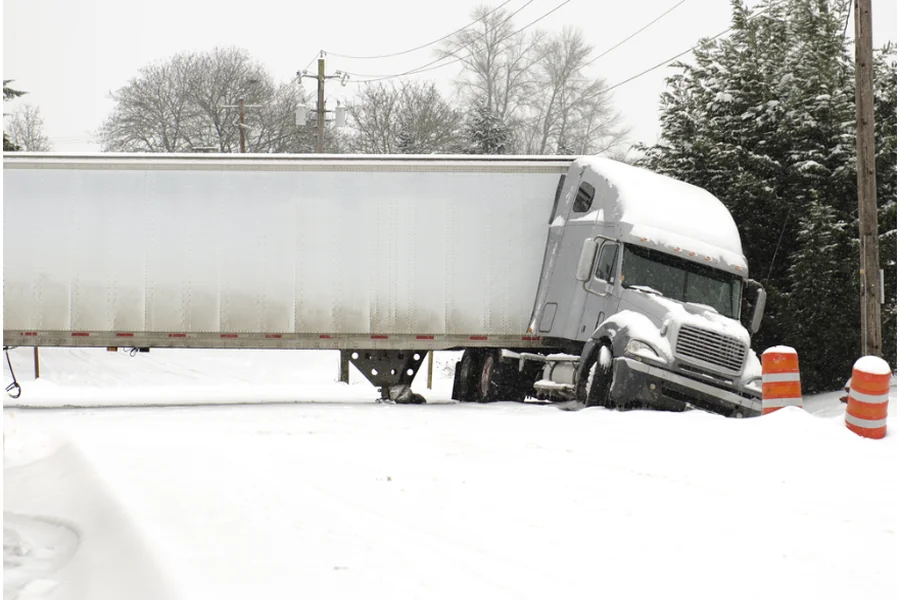
Jackknife accidents are a prime example, where the cab and trailer fold in a dangerous angle, creating chaos on the road. What makes these accidents particularly tricky is that they are rarely caused by a single factor. The combination of human reactions, vehicle mechanics, and environmental conditions can turn a momentary misstep into a serious crash.
This article explores what jackknife accidents are and why untangling them takes careful attention and insight, especially for anyone seeking legal guidance.
What Is a Jackknife Accident
A jackknife accident happens when a truck folds at the joint between the cab and its trailer, forming a sharp angle that looks like a folding knife. This usually occurs when the trailer swings out of alignment while the cab keeps moving forward. The loss of control can happen almost instantly, yet it is often the result of multiple factors building up over time.
Jackknife accidents are not random; they are a chain reaction caused by a mix of driver actions, vehicle conditions, and external influences. For anyone trying to navigate the aftermath, consulting a skilled lawyer for jackknife accident cases can make understanding liability and responsibilities much clearer.
The Factors That Make Jackknife Accident Cases Harder to Untangle
Driver Actions and Split-Second Decisions
The driver’s choices play a critical role in jackknife accidents. Sudden braking, sharp turns, or overcorrection can set off the chain of events that leads to the cab folding against the trailer. Every decision happens in a matter of seconds, and it becomes difficult to separate instinctive reactions from the actual cause of the accident.
Evaluating these split-second moves requires looking closely at evidence from the scene, including skid marks, vehicle telemetry, and eyewitness accounts, to understand the sequence of events clearly.
Road and Weather Conditions
External factors like wet roads, low traction, or uneven surfaces often amplify the risk of a jackknife accident. These conditions make it harder for the truck to maintain stability, and they can appear minor until they contribute to the crash.
Investigators may need to reconstruct how road or weather conditions influenced the event, which is often not obvious from initial reports. Accounting for these factors is essential to see the full picture of why the accident occurred.
Truck Load and Weight Distribution
Improperly loaded cargo or shifting weight inside the trailer can significantly affect a truck’s balance and braking. A small misalignment of heavy goods can change how the vehicle reacts to sudden maneuvers. Weight distribution issues make it harder to control the truck and can trigger a jackknife situation even when the driver is experienced.
Proper load management plays a role that is sometimes overlooked in accident investigations but is crucial for understanding the root cause.
Mechanical and Equipment Issues
Mechanical problems like brake failure, uneven brake application, or worn tires can create conditions that make jackknife accidents more likely. Equipment defects are often subtle, and a detailed inspection may be needed to uncover them.
Even if the driver acted responsibly, mechanical factors can transform routine road conditions into a hazardous situation. Evidence from maintenance records and vehicle inspections becomes vital to understanding how these issues contributed to the crash.
Involvement of Multiple Parties
Jackknife accidents often involve more than one responsible party. The driver, trucking company, maintenance providers, and even the cargo handler may share responsibility. This shared liability makes establishing fault more complicated, requiring a thorough review of contracts, logs, and company procedures.
Legal professionals often need to piece together evidence from multiple sources to clarify responsibility accurately.
Sequence of Events and Chain Reactions
A jackknife accident is rarely a single event. One action leads to another within seconds, sometimes involving multiple vehicles and collisions. The chain reaction that follows can make it nearly impossible to identify the exact point where the accident began without careful reconstruction.
Accident investigators rely on a combination of evidence, such as video footage, vehicle data, and witness statements, to map out the sequence accurately. Understanding this chain is essential for both safety improvements and legal clarity.
Closing Thought
Jackknife accidents are rarely caused by just one factor. The overlapping effects of driver choices, road and weather conditions, vehicle weight, mechanical issues, and the involvement of multiple parties create a web that is challenging to untangle. Evidence becomes the cornerstone of clarity, helping to reveal the true sequence of events and the shared responsibilities involved.
Working with a knowledgeable lawyer for jackknife accident cases ensures that each factor is carefully considered. Only by looking at the full picture can the complexity of these accidents be understood and addressed in a steady, informed way.