
The Rise of Virtual Concerts: The Future of Live Music Experiences
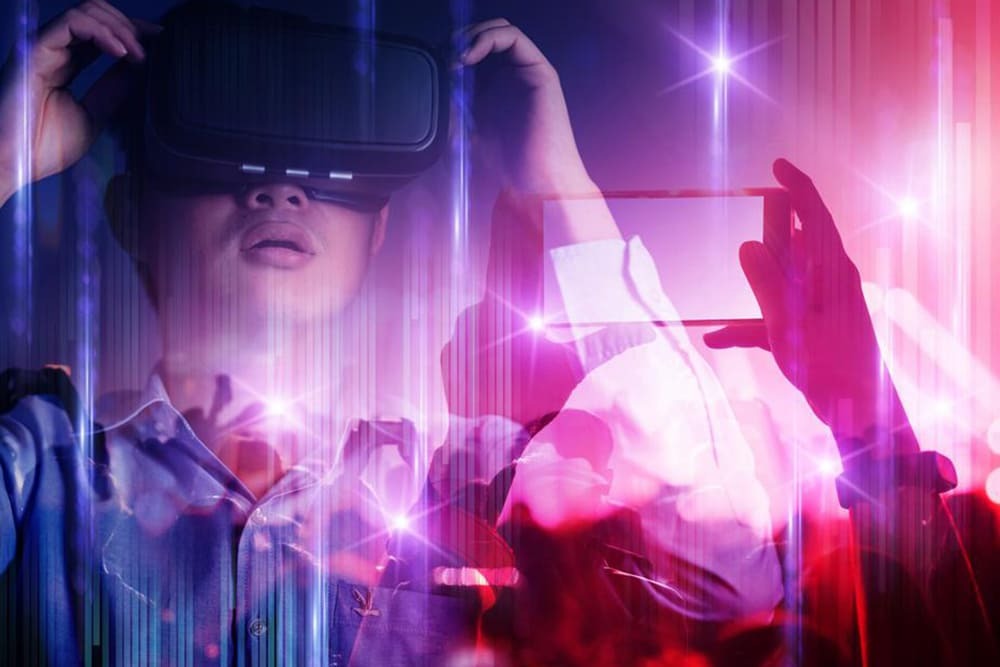
In recent years, the way we experience live music has undergone a dramatic shift. While live concerts have traditionally been confined to physical venues, the rapid development of digital technology has given rise to virtual concerts, allowing fans from around the world to attend live music events without ever leaving their homes. What started as a temporary solution during the COVID-19 pandemic has quickly evolved into a permanent fixture in the music industry, offering both artists and audiences unique opportunities to connect in ways never before possible.
This article delves into the rise of virtual concerts, exploring their impact on the music industry, the technology behind these events, the benefits and challenges they bring, and what the future of live music experiences may look like.
The Evolution of Virtual Concerts
Virtual concerts are not entirely new. The concept of streaming live music performances online has been around for years, with platforms like YouTube, Facebook, and Twitch offering live-streamed performances, festivals, and music events. However, the mainstream adoption of virtual concerts took off in 2020 when the global pandemic forced the cancellation of in-person events. Artists and organizers had to find alternative ways to keep performing and engaging with fans, leading to a surge in virtual concert offerings.
Early Days: A Temporary Solution
At the onset of the pandemic, artists initially turned to platforms like Instagram Live, Facebook Live, and YouTube to perform for their fans in a more informal setting. These live streams were often free, with performers simply setting up their phones or cameras to interact with audiences in real time. Although these performances were popular, they were relatively basic and lacked the production value of a traditional concert experience.
In response to this growing demand, more sophisticated virtual concert experiences began to emerge. Platforms like Twitch and StageIt began offering higher-quality live streams, while artists experimented with innovative ways to engage their fans. As technology continued to improve, virtual concerts began to resemble traditional live shows more closely, offering higher production value, interactive features, and even the option to purchase tickets for exclusive access.
The Rise of Virtual Platforms
In 2020, several platforms and companies began to take virtual concerts to the next level. Fortnite, a popular video game, hosted live concerts featuring artists like Travis Scott and Marshmello, creating immersive virtual worlds where fans could interact with each other and the performers in real-time. These events attracted millions of viewers, demonstrating the potential of virtual concerts to reach a global audience.
Similarly, Twitch—a platform known for gaming streams—saw an increase in music-related content during the pandemic. Major music festivals, such as Tomorrowland and Coachella, also pivoted to virtual formats, offering fans virtual access to live-streamed performances, exclusive backstage footage, and more. The ability to attend a festival from the comfort of one’s home, without the logistical challenges of travel and accommodation, made virtual events highly attractive.
How Virtual Concerts Work: The Technology Behind the Magic
Virtual concerts are not just simple live-streamed performances; they rely on a variety of technologies that create immersive and interactive experiences for viewers. The technology behind virtual concerts can range from basic live streaming to highly complex, fully immersive virtual reality (VR) environments.
- Live Streaming Technology
The most basic form of a virtual concert involves live streaming. Artists perform in real-time, and the performance is broadcasted to audiences through platforms such as YouTube, Instagram, or Twitch. The quality of the live stream depends on factors such as camera equipment, internet bandwidth, and platform capabilities. High-definition video and high-quality audio are essential for creating a compelling experience for the audience.
- Virtual Reality (VR) and Augmented Reality (AR)
Virtual reality and augmented reality technologies have significantly advanced the immersive experience of virtual concerts. With VR headsets, fans can attend virtual concerts from within a fully immersive digital environment. These environments may resemble a traditional concert venue, complete with virtual stages, crowds, and 3D visual effects.
For example, Travis Scott’s Fortnite concert used a mix of AR and VR to create a dynamic, surreal performance. Fans could explore a digital landscape while interacting with virtual representations of the artist. The combination of VR, AR, and interactive elements helped create a concert that was not just a performance, but an entire experience.
- Interactive Features
One of the key elements of virtual concerts is interactivity. Unlike traditional concerts, virtual concerts can offer fans real-time interactions with performers and other attendees. This can include live chats, the ability to request songs, virtual meet-and-greets, and even virtual merchandise booths. Some platforms offer 360-degree video, allowing fans to control their viewing angle, creating a more personalized and engaging experience.
These features help bridge the gap between the artist and their audience, allowing for a level of interaction that is often absent from traditional live shows.
The Benefits of Virtual Concerts
Virtual concerts offer a host of benefits for both artists and fans. These events have expanded the reach of live music, enabling artists to connect with audiences in ways that were previously impossible.
- Global Reach and Accessibility
One of the most significant advantages of virtual concerts is the ability to reach a global audience. Fans from all corners of the world can attend a live show without the need to travel. This is particularly beneficial for fans who live in regions where live concerts and festivals may not be easily accessible.
Additionally, virtual concerts provide accessibility for individuals with disabilities. For fans who may have difficulty attending physical events due to mobility issues or other barriers, virtual concerts offer an inclusive alternative.
- Lower Costs and Reduced Barriers
For both artists and audiences, virtual concerts are often more affordable than in-person events. Fans no longer need to spend money on travel, accommodations, or expensive concert tickets. Similarly, artists save on the high costs associated with touring, such as venue rentals, staff, and travel expenses.
Artists can also perform more frequently in a virtual setting, as they are not limited by the constraints of travel and logistics. This allows for more intimate and personalized performances for their fans.
- New Revenue Streams
For artists, virtual concerts have created new revenue streams. In addition to ticket sales, virtual events offer opportunities for artists to sell merchandise, conduct live Q&A sessions, and offer exclusive content to paying fans. Virtual concerts have also opened up opportunities for brand partnerships and sponsorships that might not have been possible in traditional concert settings.
Fans may also engage with the artist through tips or donations, offering additional financial support in exchange for personalized interactions or exclusive content.
The Challenges of Virtual Concerts
While virtual concerts have opened up exciting possibilities, they come with their own set of challenges. Some of these challenges may hinder their widespread adoption in the long term.
- Lack of Physical Presence
One of the most significant limitations of virtual concerts is the absence of the physical, sensory experience of attending a live event. The energy and atmosphere of being in a concert venue, surrounded by a crowd, is something that virtual platforms struggle to replicate. For many fans, the social experience of live concerts—the chance to connect with friends, meet other fans, and feel the collective energy of the crowd—cannot be fully duplicated online.
- Technology Barriers
Not all fans have access to the technology required to enjoy virtual concerts. High-quality VR experiences, for example, require specific hardware like VR headsets, which can be costly and inaccessible for some users. Additionally, poor internet connections or incompatible devices may limit the viewing experience, making it difficult for some audiences to enjoy virtual concerts at their full potential.
- Saturation of the Market
As more artists and platforms enter the virtual concert space, there is a risk of market saturation. With an overwhelming number of virtual events being held, fans may struggle to prioritize which concerts to attend. This could reduce the uniqueness and excitement that comes with attending live music events, potentially leading to a decline in overall attendance and engagement.
The Future of Virtual Concerts
Despite these challenges, the future of virtual concerts looks promising. As technology continues to improve, so too will the experience of virtual music events. We can expect advancements in immersive technologies like VR and AR, making virtual concerts even more engaging and lifelike. Additionally, the integration of AI and machine learning may lead to personalized concert experiences, where the music and visuals adapt to each viewer’s preferences in real time.
The blending of physical and virtual experiences—known as “hybrid concerts”—is also likely to become more common. In these events, fans can choose to attend in person or virtually, offering a flexible experience that caters to different preferences and needs.
Conclusion
Virtual concerts are reshaping the live music industry, offering exciting new opportunities for artists and fans alike. They provide global access, lower costs, and the potential for immersive and interactive experiences. However, the challenge remains to replicate the visceral energy and connection that comes with attending a live event in person. As technology advances and new innovations emerge, the virtual concert experience will continue to evolve, likely becoming a mainstay in the entertainment industry for years to come. The future of live music experiences is undoubtedly digital, and the possibilities are endless.