
How In-Home Care Supports Seniors with Memory Loss
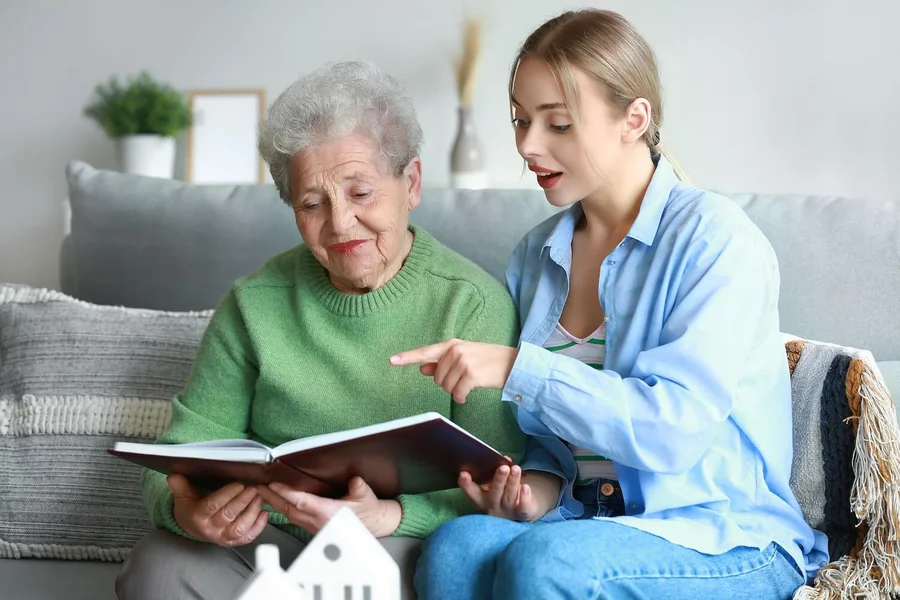
More and more households are confronting the obstacles of forgetfulness and memory loss with an aging loved one. Having memory-related conditions can lead to difficulties with everyday living. Most want an answer that provides their loved ones with safety but also comfort. Many seniors find support through in-home care, an increasingly popular solution to help offset these changes.
Personalized Attention in Familiar Surroundings
Seniors are usually safest at home. So familiar settings can minimize anxiety as well as confusion. In-home care in Sacramento assists without uprooting individuals from their beloved setting. Everyone has the unique help they need, and caregivers assist accordingly. Daily life continues, which helps maintain some level of self-sufficiency.
Assistance with Daily Living Activities
Seniors with memory problems have difficulty performing basic tasks. Caregivers assist in bathing, preparing meals, and providing medication reminders. Most important routines continue with timely support. That type of assistance can prevent missed meals or treatments from becoming neglected. Support leads to maintaining your physical health as well, so it reduces the chances of accidents.
Emotional Support and Companionship
Isolation results in loneliness and emotional pain. A caregiver can provide companionship, conversation, and help in performing activities with your elderly family member or friend. It lets you connect with others, which can improve your mood and keep your mind active. Emotional well-being depends on social contact. Trained caregivers responding with kindness and compassion ensures that each day shines bright.
Safety and Security at Home
Seniors with memory loss frequently face risks when left alone. Care providers can spot dangers, like a stove that is still on or mismatched medication. They keep doors and windows locked, which offers a sense of security for families. Immediate attentiveness to potential calamities minimizes damage.
Support for Families and Caregivers
Care demands can also be a burden for family members. In-home care services provide much-needed respite for friends and family by guaranteeing that a loved one remains safe. It allows families to rejuvenate and address their concerns. Communication between caregivers and families keeps everyone in the loop about the senior’s status.
Encouraging Cognitive Engagement
Keeping the mind mentally stimulated is a crucial factor in slowing memory deterioration. They also bring in activities where they have to think, like puzzles or music. These professionals invite you to participate and stay engaged, and that makes a difference with your custom games. Mentally stimulating tasks can help maintain memory skills for a longer period of time. Participation in purposeful activities enhances the contributions of older adults.
Promoting Healthy Routines
Schedules also help with memory problems. Regular sleep, meals, and medication times help minimize confusion. In-home care professionals help keep things on track and maintain organized days. Repetitive routines can reduce anxiety, increase independence, and provide comfort. General well-being comes with healthy habits and helps to build a better physical condition, which directly contributes as a booster of the overall quality of life.
Flexibility to Meet Changing Needs
Every individual experiences memory loss at their pace. In-home care can adapt as needs change. You can scale services up or down whenever you require. Care plans then adapt seamlessly, whether it be a few hours a week or around-the-clock care. This aspect guarantees uninterrupted comfort and safety at all times.
Peace of Mind for Everyone
It helps you to know that your loved one receives proper care. This factor allows families to spend some time together without constant worry. Caregiver companionship instills confidence in seniors. This arrangement improves the quality of life for the elderly and their relatives. In-home care facilitates the possibility of growing older at home with exclusivity and everyday comfort.
Conclusion
For seniors and their caregivers, memory loss brings with it a distinctive set of challenges. Home-based care provides physical, emotional, and personal benefits. Home-based care offers tailored support to meet changing needs while maintaining independence. Skilled help and the comforts of home make daily life easier. When elders receive the most attention, that is where families find reassurance.