
Common Plumbing Problems in Miami Homes and How to Prevent Them
A well-maintained plumbing system is essential for keeping a home comfortable, hygienic and functional. From kitchen sinks and bathroom fixtures to water heaters and drainage lines, almost every part of daily household life depends on reliable plumbing. However, plumbing problems can develop gradually or appear without warning, often creating inconvenience and unexpected repair costs.
For homeowners in Miami, maintaining plumbing systems deserves particular attention. The local climate, frequent rainfall, humidity and everyday wear can all make it important to identify plumbing issues early. A small leak, slow drain or faulty toilet may seem insignificant at first, but ignoring it can lead to water damage, unpleasant odours and more complicated repairs.
Understanding common plumbing problems, knowing what causes them and recognising when professional assistance is necessary can help homeowners protect their properties.
1. Leaking Pipes and Faucets
Leaking faucets and pipes are among the most common plumbing issues in residential properties. A dripping tap may appear harmless, but a continuous leak can waste water and gradually damage nearby surfaces.
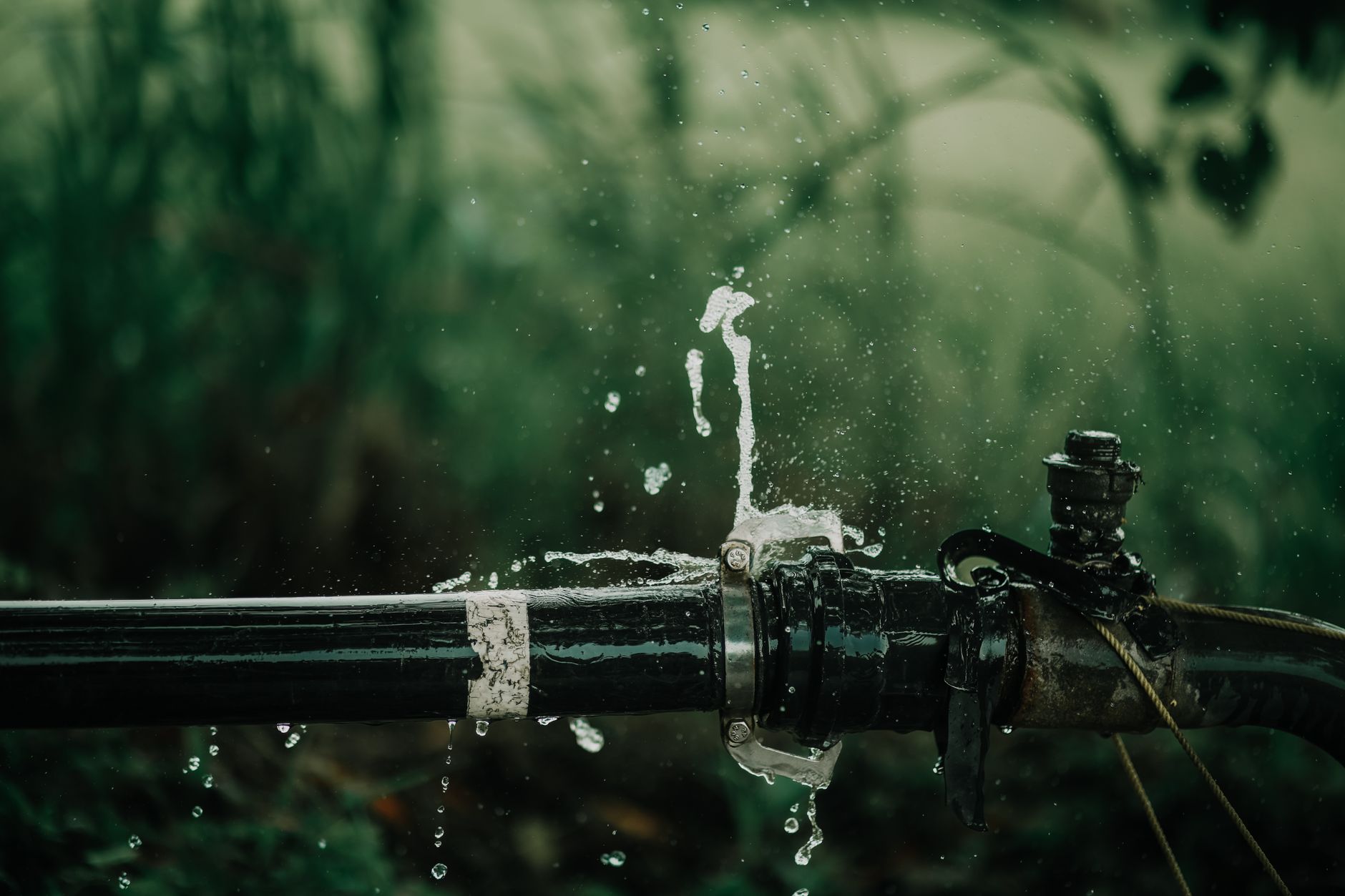
Pipe leaks can occur because of corrosion, loose connections, worn seals, damaged fittings or changes in water pressure. In some cases, the leak is easy to notice because water collects beneath a sink. However, leaks inside walls, ceilings or floors may remain hidden until visible damage appears.
Warning signs to look for include:
- Unexplained increases in water bills
- Damp patches on walls or ceilings
- Peeling paint or bubbling wall finishes
- Musty smells around cabinets and enclosed spaces
- Water collecting beneath sinks or near appliances
Check exposed pipes and plumbing connections periodically. If you notice persistent moisture or suspect a hidden leak, arrange an inspection rather than waiting for the damage to become more extensive.
2. Slow or Clogged Drains
A slow-draining sink or shower is another frequent household plumbing problem. Drain blockages usually develop when materials accumulate inside pipes and restrict the movement of wastewater.
Kitchen drains commonly collect cooking grease, food particles and soap residue. Bathroom drains often become blocked by hair, personal care products and soap deposits. Over time, these materials can combine and create stubborn obstructions.
Some simple habits can reduce the likelihood of blockages:
- Avoid pouring cooking oil and grease into kitchen sinks.
- Use drain covers to catch hair and larger particles.
- Dispose of food scraps in the rubbish rather than washing them down the sink.
- Avoid flushing wipes, paper towels and hygiene products.
- Pay attention to recurring slow drainage instead of repeatedly ignoring it.
A minor blockage may respond to careful cleaning, but repeated clogs can indicate a deeper problem in the drainage system. Avoid relying heavily on harsh chemical cleaners, as unsuitable products can damage certain pipes and may not remove the underlying obstruction.
3. Running Toilets and Constant Flushing Problems
A toilet that continues running after being flushed can waste a surprising amount of water. The problem often comes from a worn flapper, faulty fill valve, damaged seal or incorrectly adjusted internal mechanism.
Other toilet-related issues include weak flushing, water collecting around the base and frequent blockages. These problems may be caused by worn components, obstructions or issues with the drainage line.
Homeowners can watch for a few common warning signs:
- Water continues flowing into the toilet bowl.
- The toilet makes noise even when nobody has used it.
- Flushing requires repeated attempts.
- Water appears around the toilet base.
- The bowl drains unusually slowly.
Some internal toilet components are relatively simple to replace, but leaks around the base or repeated flushing problems may require a closer inspection. A professional can determine whether the issue is limited to the fixture or connected to the wider plumbing system.
4. Water Heater Problems
Hot water is something most households expect to have whenever they need it. When a water heater stops working properly, everyday activities such as bathing, washing dishes and cleaning become difficult.
Water heater problems can involve electrical or gas components, sediment accumulation, faulty thermostats, worn heating elements or leaking connections. The symptoms depend on the type of unit and the underlying fault.
Look out for these signs:
- Water takes longer than usual to heat.
- The hot water supply runs out quickly.
- Water temperature changes unexpectedly.
- Unusual noises come from the tank.
- Moisture or water appears around the unit.
Water heaters should be inspected and maintained according to the manufacturer’s recommendations. Because these appliances involve electricity, gas or pressurised hot water, homeowners should avoid opening or dismantling them without the necessary knowledge.
If the unit is leaking, producing unusual smells or showing signs of electrical trouble, seek qualified assistance promptly.
5. Low Water Pressure
Low water pressure can make ordinary household tasks frustrating. Filling a sink, taking a shower or running appliances may take longer than expected.
The cause can be relatively simple, such as a clogged faucet aerator or showerhead. However, low pressure throughout the property may indicate a more significant issue involving supply lines, valves, pressure regulators or hidden leaks.
Before assuming that the entire plumbing system is affected, check whether the problem occurs at one fixture or multiple outlets. If only one tap has reduced flow, the issue may be localised. If several fixtures are affected, the cause may be further upstream.
Sudden changes in water pressure should not be ignored, especially when accompanied by unusual pipe noises, damp areas or unexplained water usage.
6. Sewer Line and Drainage Backups
Drainage backups can be among the most unpleasant plumbing problems a homeowner faces. They occur when wastewater cannot move through the drainage system properly and begins returning through sinks, toilets, showers or floor drains.
Possible causes include accumulated grease, foreign objects, damaged pipes, tree root intrusion and blockages in the main sewer line.
A particularly important warning sign is when multiple fixtures begin draining slowly at the same time. For example, flushing a toilet might cause water to rise in a nearby shower drain. This can suggest that the issue is not limited to one individual fixture.
If wastewater or sewage starts backing up:
- Stop using affected plumbing fixtures.
- Avoid running washing machines and dishwashers connected to the same drainage system.
- Keep children and pets away from contaminated areas.
- Avoid direct contact with wastewater.
- Arrange professional assistance to identify and resolve the blockage.
Recurring backups should be investigated properly rather than treated as isolated incidents. Clearing one visible obstruction may not solve a problem further down the line.
7. Why Miami Homeowners Should Pay Attention to Plumbing Maintenance
Miami’s warm, humid climate and periods of heavy rainfall make property maintenance particularly important. Moisture can accumulate in poorly ventilated areas, while plumbing leaks may go unnoticed behind cabinets, walls and other concealed spaces.
Heavy rainfall can also place additional pressure on drainage around a property. Although exterior stormwater drainage and indoor plumbing are different systems, problems with either can affect the condition and usability of a home.
A few practical maintenance habits can help homeowners reduce avoidable plumbing problems:
Inspect visible plumbing regularly: Check under kitchen and bathroom sinks, around toilets and near water-using appliances for signs of moisture.
Watch your water bill: An unexplained increase may indicate a leak somewhere in the property.
Keep drains clear: Use strainers and dispose of grease, food scraps and hygiene products correctly.
Know where the main shut-off valve is: If a pipe bursts, knowing how to stop the water supply can help limit damage, provided the valve is safely accessible.
Schedule inspections when problems repeat: A recurring leak, blockage or pressure issue may indicate an underlying fault that needs professional attention.
Regular checks do not guarantee that plumbing emergencies will never happen, but they can help homeowners recognise problems before they become more disruptive.
8. When Should You Call a Professional Plumber?
Not every plumbing issue requires an emergency visit. A minor faucet drip or a slow drain affecting one sink may be manageable with basic maintenance. However, some problems need professional attention.
Consider contacting a qualified plumber when:
- A pipe has burst or water is spreading through the property.
- You suspect a hidden leak inside a wall or beneath a floor.
- Multiple drains are backing up.
- Sewage is entering the home.
- The water heater is leaking or malfunctioning.
- Water pressure changes suddenly throughout the property.
- A repair attempt has not solved the problem.
When choosing a plumbing professional, look for relevant licensing, experience, clear communication and transparent estimates. Ask what the inspection or repair involves, whether additional work may be required and what warranty or service guarantees apply.
Homeowners looking for a local service provider can consider a plumber miami when they need help assessing plumbing concerns and determining the appropriate next steps. Choosing professional assistance for complicated or recurring issues can help prevent temporary fixes from becoming long-term problems.
9. How to Choose the Right Plumbing Service
Finding someone to repair a plumbing problem is only part of the process. It is equally important to choose a professional who can identify the cause and explain the available solutions.
Before arranging a service, consider the following:
Check qualifications: Confirm that the professional has the appropriate licence and credentials for the work being performed.
Ask about relevant experience: A plumber who regularly handles leak detection, drain problems, water heaters or sewer line issues may be better suited to the particular repair.
Request a clear estimate: Understand the expected labour, parts and any additional charges before approving the work.
Look for clear communication: A reliable professional should be able to explain the issue, the recommended repair and any practical alternatives.
Consider availability: Some problems, such as burst pipes and serious water leaks, require faster attention than routine maintenance.
Taking time to evaluate these factors can make it easier to choose a suitable service and avoid unnecessary repairs.
Conclusion
Plumbing systems play a major role in maintaining a safe and comfortable home. Leaking pipes, clogged drains, running toilets, water heater failures and sewer backups are common problems, but many can be addressed more effectively when recognised early.
For Miami homeowners, regular inspections and sensible everyday habits can help protect plumbing fixtures, reduce water waste and limit the risk of property damage. When a problem becomes complicated, keeps returning or creates a safety concern, professional assessment is often the most practical solution.
A little attention to plumbing maintenance today can help prevent a much bigger disruption tomorrow.