
How does Furnace Safety Lockouts Prevent Repeated Ignition Failures?
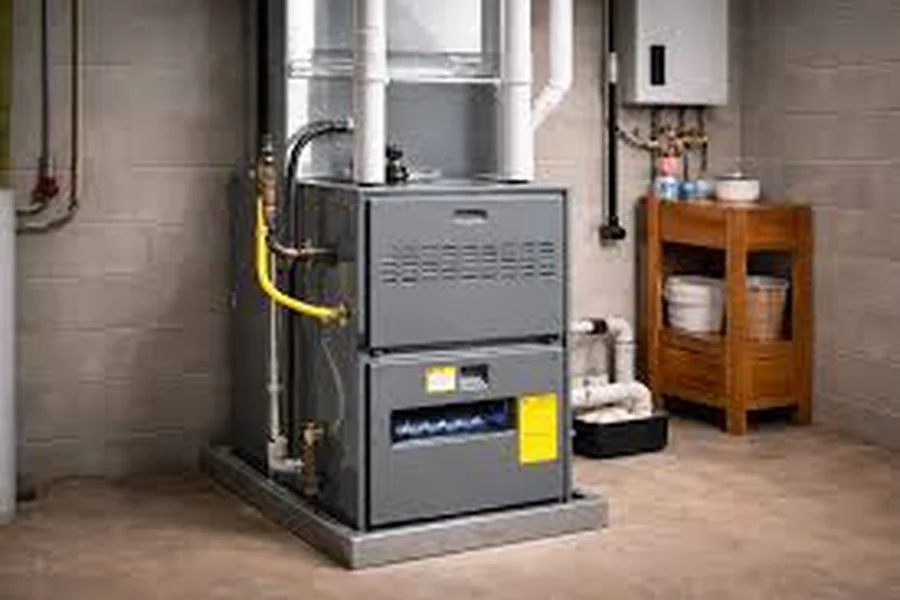
A furnace is built to light safely, maintain a stable flame, and shut down quickly if anything looks abnormal. Safety lockouts are the control board’s way of stopping repeated ignition attempts when the system cannot confirm safe operation. Without that pause, the unit could keep cycling through igniter heating and gas valve openings, increasing wear while raising the chance of unsafe combustion conditions. Lockouts also prevent endless short cycles that disrupt comfort and confuse troubleshooting. By forcing a controlled stop, they protect the heat exchanger, limit fuel release, and guide the next step toward diagnosis rather than guesswork for homeowners.
How Lockouts Work
-
What Triggers a Lockout
When the thermostat calls for heat, the furnace follows a timed sequence that must be completed in order. The inducer motor starts to establish draft; the pressure switch confirms that venting airflow is present; the igniter warms; and then the gas valve opens. Within seconds, the flame sensor must prove that combustion is real, not just a brief flicker. If the board does not see the expected signals, it may try again after a purge, but only for a limited number of attempts. After the retry limit, the board enters lockout, preventing the furnace from continuing to dump energy into a failed start. Causes range from a weak igniter and low gas pressure to a dirty flame sensor that cannot properly detect the flame. A clogged intake or exhaust can also prevent draft confirmation, and condensate issues in high-efficiency systems can trip safety switches. Homeowners often hear the furnace start and stop repeatedly right before a lockout, as the board recognizes a pattern and chooses safety. Service calls from firms like Superior HVAC Service, Heating & Air Conditioning of St. Catharines commonly begin with a pattern read, so the repair targets the real failure point.
-
How the Control Board Reduces Risk
Lockout logic does more than stop the burners. It controls timing so residual fuel is cleared and heat is managed safely. Between attempts, the inducer often runs to purge the combustion chamber, reducing the likelihood that unburned gas remains. The board also limits how often the igniter can be energized, which protects hot-surface elements and prevents premature cracking. By restricting repeated starts, the system reduces thermal stress on the heat exchanger, since rapid heating and cooling can cause metal to expand unevenly and promote early fatigue. Lockouts also protect venting performance by preventing repeated inducer starts, which can amplify pressure changes in the flue and expose weaknesses such as partial blockages or poor terminations. Many boards store a diagnostic code when a lockout occurs; it serves as a safety breadcrumb. It can indicate flame-proving trouble, pressure switch faults, rollout events, or high-temperature limit openings due to restricted airflow. Instead of guessing, the technician can test the exact circuit that failed, confirm grounding and microamp flame signal, verify draft pressure, and check filter and blower conditions. This structured stop is why lockouts prevent small ignition issues from turning into larger hazards.
When a furnace enters a hard lockout, the control board effectively disables the ignition sequence to mitigate risks associated with overheating or gas accumulation. This state is often the result of multiple failed attempts to establish a flame, signaling that a critical component like the flame sensor or gas valve requires professional attention. Click here to find technical resources that explain how diagnostic codes can help identify whether the issue stems from restricted airflow or a faulty igniter. While basic maintenance like replacing a clogged filter can sometimes prevent these shutdowns, persistent lockouts serve as a necessary safeguard, ensuring the system remains inactive until a qualified technician can verify that it is once again safe to operate.
-
Why Repeated Resets Make Things Worse
A reset can clear a soft lockout and allow another heat call, but it should be treated as a temporary measure, not a repair. If the furnace locks out again, the same unsafe condition remains, and repeated restarts can increase stress at the worst possible moment. Each attempt draws more electrical current, heats the igniter, and briefly opens the gas valve, so repeated cycling accelerates wear while making the heat less reliable. Resets can also hide patterns that matter, such as failures that occur only when wind alters vent pressure, when condensate backs up and trips a pressure switch, or when voltage dips during heavy neighborhood demand. Modern furnaces are designed to tell you what they are seeing, either through an LED code or through a sequence of startup sounds. Using that information leads to safer fixes, such as cleaning the flame sensor, correcting vent obstructions, replacing a weakening igniter, restoring proper combustion air, or addressing airflow that is tripping the high limit protection. When lockouts are respected, the furnace has a chance to fail safely rather than repeatedly. That approach protects occupants and prevents unnecessary use of gas and electricity, often overnight.
Safety sensors act as the primary defense against potential hazards, monitoring everything from heat exchange temperatures to proper venting. If a malfunction like a cracked igniter or a clogged filter occurs, the control board halts the heating cycle to prevent damage. In these critical moments, seeking an expert assessment through emergency furnace repair can prevent a minor ignition issue from escalating into a costly hard lockout. Understanding the sequence of these safety checks allows homeowners to better manage their systems and avoid unnecessary risks. Regular maintenance remains the most reliable strategy for keeping these sensitive sensors clean and ensuring the furnace operates efficiently throughout the winter.
Safety lockouts prevent repeated ignition failures by shutting down the furnace when it cannot provide draft, ignition, or a stable flame. That pause limits how often the gas valve opens, ensures purge timing clears the combustion area, and reduces thermal and electrical stress on key components. Lockouts also turn a confusing no-heat event into a readable signal through diagnostic codes and repeatable startup behavior, which helps pinpoint the failing step. Instead of chasing comfort through constant resets, addressing the underlying cause restores safe, consistent heating and protects the system for everyone for the rest of the season.