
The Science Behind Facial Aging and Modern Solutions
Facial structure changes naturally as years pass by. Bone density shrinks, fat pads shift downward, and skin loses natural elasticity. Understanding these biological shifts helps people select effective treatments to refresh their appearance.
Skin cells renew at a slower pace as body chemistry alters with age. Environmental factors like sun exposure speed up structural breakdown across facial tissues. Addressing these changes requires tailored interventions targeting specific layers of the face. Knowing what happens beneath skin surfaces empowers individuals seeking aesthetic care.
How Collagen and Bone Loss Change Your Look
Collagen production drops by 1% every year after age 20. Consulting a skilled deep plane neck lift surgeon provides targeted solutions for sagging tissue along the jawline. Lower collagen levels make skin thinner, leading to deeper creases and structural sagging.
Elastin fibers break down, causing skin to snap back less effectively. Facial bones lose volume as birthday candles add up. Orbit sockets widen, and jawbones shrink slightly over the decades.
These skeletal shifts reduce support for overlying facial muscles and skin layers. Without firm bone support, soft tissues drop downward toward the neck.
Shifts in Facial Fat Compartments
Youthful faces feature smooth distributions of subcutaneous fat pads. Age causes these deep fat pads to shrink and separate from one another. Gravity pulls superficial fat downward, creating hollow cheeks and prominent jowls.
These shifts alter the facial triangle of youth into an inverted shape. Facial shadows deepen where skin support weakens.
A medical study found that midface fat loss accelerates after age 40. This structural loss alters facial contours around the midface and jawline. Researchers observed that deep fat loss occurs faster than superficial fat loss.
1.Fat pads migrate downward fast.
2. Cheeks lose youthful midface volume.
3. Shadow lines form around the mouth.
4. Jawline definitions soften with age.
Non-Surgical Refinements for Early Signs
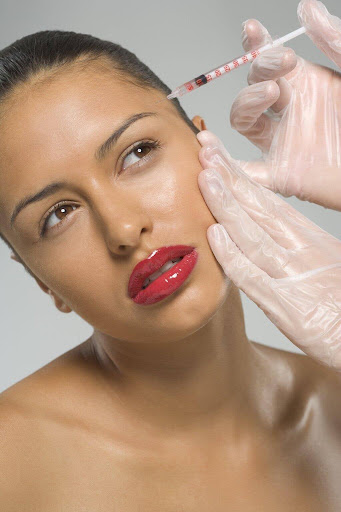
Early interventions target minor volume loss and fine surface wrinkles. Injectable dermal fillers restore lost volume in hollow temples and flat cheeks. Neuromodulators smooth out active expression lines across the forehead and around the eyes.
These treatments offer quick results with minimal downtime. Regular maintenance sessions help sustain a refreshed appearance throughout the year.
Topical retinoids encourage skin cell turnover and collagen production. Clinical surveys report 70% of patients notice smoother skin texture after 12 weeks of treatment.
Energy devices stimulate deeper dermal layers to tighten loose skin. Chemical peels remove damaged surface layers to reveal fresher skin underneath.
Modern Surgical Solutions for Advanced Aging
Advanced structural sagging requires treatments that move deeper muscle layers. Traditional skin pull procedures often create a stretched or unnatural look. Modern deep layer techniques lift underlying tissues for balanced outcomes.
Repositioning muscle layers addresses the root cause of sagging rather than hiding symptoms. Surgeons release tight facial ligaments to reposition fallen cheek fat. A medical journal review noted 92% patient satisfaction with long-term deep structure rejuvenation.
Recovery times vary, with most individuals returning to work within 14 days. Proper post-care routines support lasting results for many years.
Customizing Treatment Plans
Combining procedures often yields superior harmony across facial features. A patient might pair structural lifting with resurfacing laser treatments. Plastic surgery specialists design custom approaches based on skin thickness and bone structure.
Next Steps in Your Aesthetic Journey
Selecting the right aesthetic path matches individual anatomy and personal goals. Combining targeted skin treatments with structural procedures produces balanced results. Consulting qualified practitioners helps clarify realistic expectations for every stage of life.
Looking for more tips and ideas? We’ve got you covered. Check out some of our other posts now.