
What to Expect From Your First String Instrument Rental
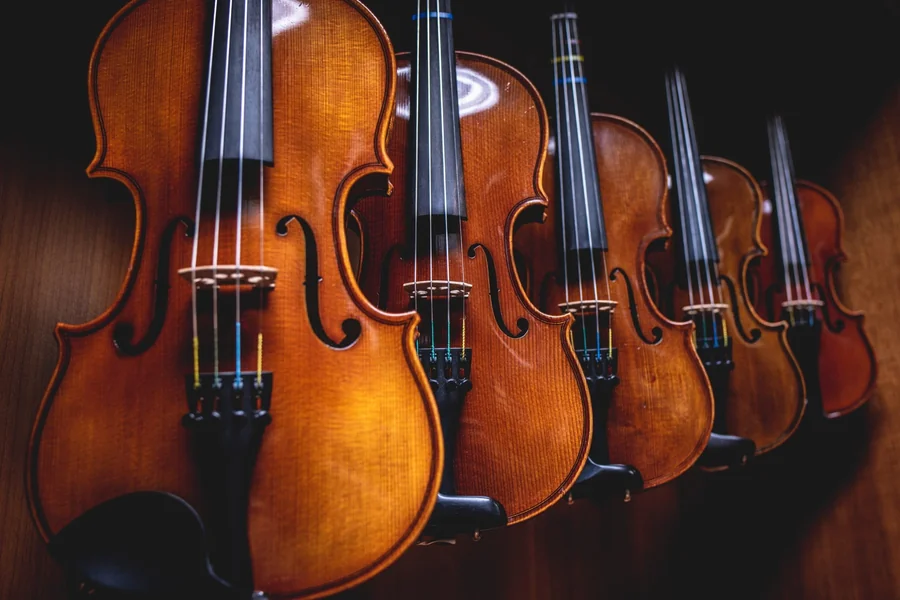
Paint a picture. You’re unboxing your first string instrument (violin, viola, or cello), and then the level of excitement is just so high. But despite that, there’s also this worry as a beginner if you’ll like the instrument or not, or if it will sound right. And what if it’s not? What will you do with your purchased instrument? Another dilemma, right?
That’s where string instrumental rentals make sense. Rentals ease these worries and make your first experience enjoyable rather than anxious.
The Rental Experience: From Arrival to First Note
When your rental violin arrives, it typically comes in a securely packed case. If you look inside, there are accessories, like a bow and rosin.
The first thing or impression you may notice is how the instrument feels in your hands. Also, you’ll hear that the sound may not be concert-level, but it’s clear and should be responsive enough to support learning.
Another pro of renting is that you can get helpful instructions and maintenance tips for your violin. They also have customer support, especially for beginners.
Experimenting and Finding Your Comfort Zone
What do we like about violin rentals? It gives you freedom to try different techniques without pressure. Think of various bowing styles, finger placements, and pressure.
Also, if you practice regularly, you’ll naturally adjust and learn about good posture, which is very important when playing the violin.
Plus, you’ll learn the tone of the violin on your own and whether if it feels natural to your style.
Maintaining Your Rental and Avoiding Pitfalls
Maintaining the condition of your rental violin is essential to preventing problems and ensuring a seamless learning experience.
You can maintain your violin by simple maintenance, such as cleaning it after each use and putting it in a case.
You also need to check for minor concerns (bridge adjustments and string issues, such as fatigue).
The good news is that renting allows you to get expert assistance. Most rental shops offer maintenance support and adjustment services. You can just go to them in case something doesn’t feel or sound right, and they’ll take care of it for you.
Unlike when you purchased your own, you need to pay separate fees to have your instrument adjusted or maintained.
Planning Your Next Steps
After spending more time with your rental violin, it’ll also help you think about what you want to do.
You can now decide whether to continue renting or have time to buy your own instrument. Aside from that, your next steps should also include taking regular lessons. This is the perfect way to maximize your rental.
Also, remember that renting is a flexible tool and not a limitation.
Conclusion
For a low-key, low-pressure, more affordable, and supportive way to learn violin, string instrument rentals could be your top 1 option. Renting lets you test the violin, plan, and improve with confidence – all without spending too much. So, regardless of whether you choose to continue renting or look to upgrade the model, or eventually purchase soon, the experience of renting helps you make wise choices that you won’t regret.