
From Runway to Reality: How Fashion Influencers Are Changing the Game
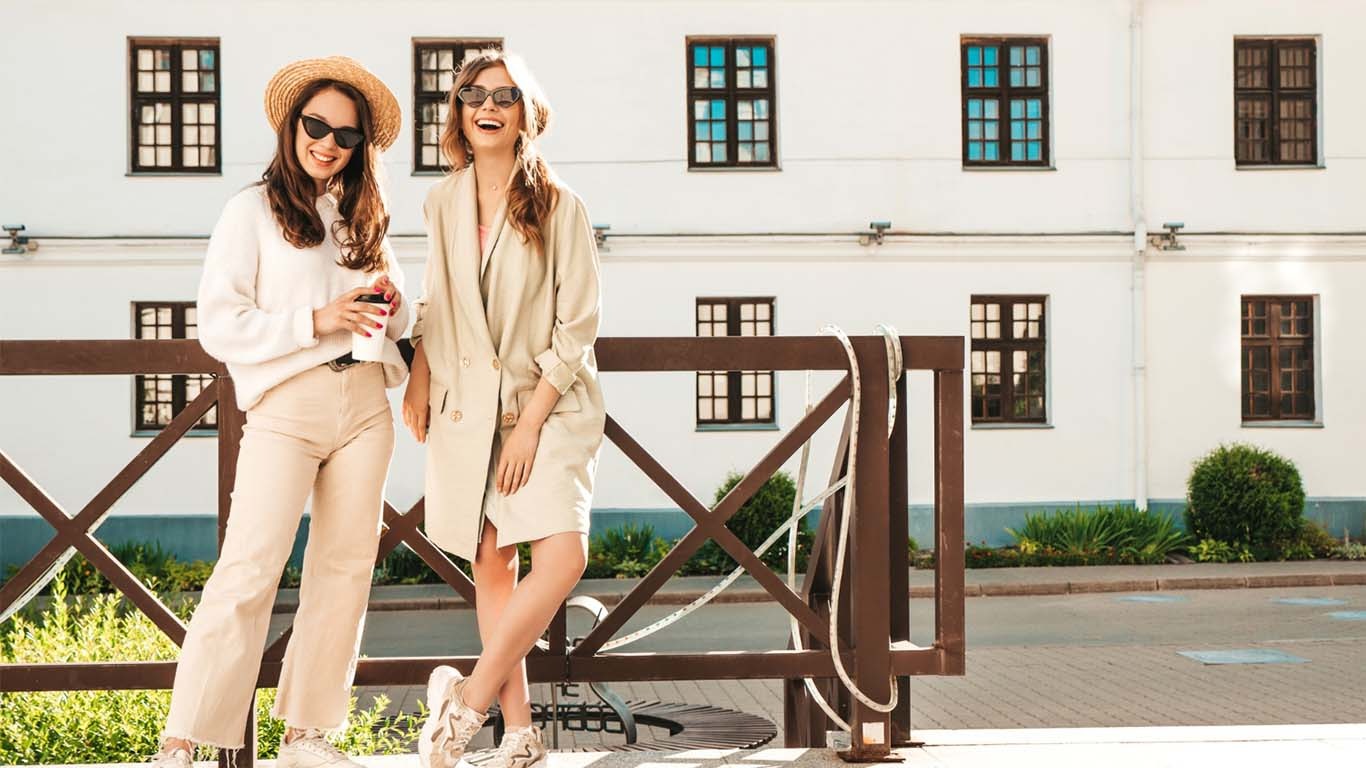
The time in fashion was the era when the trends were greatly depended upon the old methods of runway shows, expensive magazines and celebrity promotion. Nevertheless, in the past few years, a different power has come into the scene, fashion influencers. These celebrities, who have a substantial following on sites such as Instagram, YouTube, Tik Tok, and twitter, are transforming how we discover, consume and even even define fashion. Their influence is vast and not limited to the runway since they affect consumer purchasing patterns and even how a fashion brand relates to its audience.
In the present article, we will discuss how fashion influencers have shifted to the backseat of the fashion industry to the front seat affecting the fashion marketing rules and redefining the fashion marketing landscape, democratizing style and providing a new opportunity to brands to both develop and grow.
The Rise of Fashion Influencers
The rise of fashion influencers can be traced back to the explosion of social media in the early 2010s. Initially, influencers were simply people with a passion for fashion who shared their personal style on platforms like Instagram and blogs. Over time, as their follower count grew, these influencers started to command attention from brands that saw the potential for new marketing avenues.
What made these influencers so powerful was their ability to cultivate an authentic, personal connection with their audience. Unlike traditional celebrities or models, fashion influencers were seen as “real” people who shared relatable aspects of their lives, including their wardrobe choices. This relatability allowed influencers to build loyal and engaged communities who trusted their opinions.
The Power of Social Media
Influencers have been empowered through social media networks such as Instagram, YouTube, and Tik Tok to connect with their followers directly by bypassing traditional media outlets. Influencers make content that feels more grounded as opposed to magazines, television, or runway shows, which tend to make fashion seem more inaccessible or aspirational. As they post their daily outfits, their shopping hauls or backstage sneak peeks into their photoshoots, fashion influencers have become fashion gatekeepers that their followers feel they can relate to personally.
The influence of fashion influencers has only increased with the emergence of the short-form content in applications like Tik Tok which has grown rapidly. Through its combination of creativity, entertainment, and fashion, TikTok has bred viral trends, with influencers able to instantly propel new styles, brands and designs into popularity. As one example, the certain style of jeans of a certain brand or the certain style of wearing a jacket can become a worldwide fashion, all due to the influencers who set the agenda.
Influencers as Trendsetters
While runway shows remain an important part of the fashion ecosystem, fashion influencers have shifted the conversation away from what’s being presented in exclusive, high-fashion settings to what’s actually trending in the streets, on social media, and in people’s everyday lives. As trendsetters, they are no longer waiting for the fashion cycle to filter down to the masses. Instead, they are creating trends that are sometimes more immediate and accessible.
Platforms like Instagram allow influencers to showcase looks in real-time, and their followers can immediately react by liking, commenting, or purchasing items. Fashion influencers also have the power to spot trends before they hit the mainstream, effectively acting as tastemakers who guide what consumers want to wear. From minimalist aesthetics to bold, eclectic streetwear, influencers can spark a global trend with just a few posts.
Collaborations and Partnerships with Brands
Fashion influencers have proven to be powerful partners for brands. With millions of followers who trust their opinions, influencers can impact brand visibility, sales, and customer loyalty in ways traditional advertising cannot. Brands have caught on, and many now rely on influencer collaborations to reach wider, often younger, audiences.
Collaborations between influencers and fashion brands have become a regular part of the fashion industry’s marketing strategy. These partnerships can take many forms, from sponsored Instagram posts and YouTube videos to limited-edition collections designed in collaboration with the influencer. For instance, major influencers like Chiara Ferragni, Kylie Jenner, and Selena Gomez have partnered with fashion giants to launch successful product lines, blending their personal style with the brand’s identity.
Brands are also turning to micro-influencers—those with smaller, more niche followings—for targeted marketing campaigns. These influencers are often more trusted by their audiences, leading to higher engagement rates and more authentic promotion. Micro-influencers may have fewer followers, but they offer brands the opportunity to reach a highly engaged and loyal audience who are more likely to make purchases based on their recommendations.
Democratizing Fashion
One of the most significant ways that fashion influencers are changing the game is by democratizing fashion. Traditionally, fashion was dictated by a select group of designers, fashion houses, and magazines. The accessibility of high-end fashion was limited, and much of it was out of reach for the average consumer. However, fashion influencers are making style more inclusive and accessible.
Influencers often showcase a wide range of price points, highlighting both luxury items and affordable alternatives. This democratization of fashion means that followers are no longer restricted to purchasing items from high-end stores or designers. Influencers provide options for a variety of budgets, making fashion accessible to a broader audience. Whether it’s through high-street fashion hauls, vintage finds, or collaborations with affordable brands, influencers have shown that you don’t need a runway to look stylish.
Moreover, influencers help normalize diverse body types, ethnicities, and styles. Historically, fashion has been criticized for its lack of representation and inclusivity, with the mainstream fashion world often excluding larger body sizes, people of color, and different cultural aesthetics. Fashion influencers, on the other hand, have created spaces for diverse representations of beauty, style, and self-expression. They are shaping fashion to be more inclusive, offering inspiration for a wider range of people who previously felt left out of traditional fashion narratives.
The Business Side: The Rise of Influencer-Driven Fashion Brands
As the influence of fashion influencers continues to grow, many are taking their impact one step further by creating their own fashion lines and brands. Influencers like Danielle Peazer, Emma Chamberlain, and James Charles have launched clothing lines or collaborated with existing brands to create fashion collections that reflect their personal style.
These influencer-led brands are often designed to reflect the values of the influencer, from sustainability and ethical sourcing to inclusivity and diversity. They have the advantage of built-in fanbases, who are eager to support the influencers they follow, leading to direct sales and brand loyalty from day one. With the power of their social media platforms, influencers can promote their brands to a global audience and achieve success that many traditional designers would envy.
The Rise of DTC (Direct-to-Consumer) Fashion
Many influencers have also embraced the direct-to-consumer (DTC) model, cutting out traditional retail channels and offering their products directly to their followers. This model allows influencers to control the narrative, from marketing to distribution, and build a personal connection with their audience. Through limited drops, exclusive collections, and highly targeted advertising, influencers have made the DTC fashion model a successful venture. Brands like Kylie Cosmetics and Good American are prime examples of this, having capitalized on the influencer’s massive following to build multi-million-dollar empires, with insights from nebulic.
The Changing Face of Fashion Marketing
The rise of fashion influencers has also revolutionized fashion marketing. Traditional advertising, such as magazine spreads, TV commercials, and billboards, is being replaced by more authentic, organic forms of marketing through influencer content. Fashion brands now rely on influencer partnerships, sponsored posts, and user-generated content to engage their target audience.
Influencers offer brands the ability to market their products in a way that feels more personal and relatable. Consumers trust influencers because they seem like regular people, not celebrities or models in glossy magazines. This authenticity has made influencer marketing one of the most powerful tools in modern fashion advertising.
Moreover, influencers can tailor their messaging to their specific audience, creating more targeted and relevant campaigns. Through analytics and data, brands can measure the effectiveness of their campaigns and adjust their strategies accordingly, leading to more personalized and successful marketing efforts.
Conclusion
Fashion influencers are no longer on the fringes of the fashion industry but are at the center of the business, challenging the conventional framework and transforming the manner in which fashion is consumed, marketed and produced. They do not just affect social media platforms but have now become an essential element of a global fashion system. Influencing the trend, democratizing fashion and inventing new business models, influencers are making sure that fashion is not something viewed as private and exclusive to the selected few any longer but rather as something that can and should be enjoyed by everyone.
With the continued shift to the digital age, the influence of fashion influencers will only expand and their impact will stretch off the runway to all aspects of the fashion industry. Influencers are altering the game, be it by partnerships, Personal brands, or social media campaigns, are redefining what fashionable can and should be in the 21st century, with trends and inspiration available on trend2wear.