
How Do Airflow Restrictions Mimic Low Refrigerant Problems?
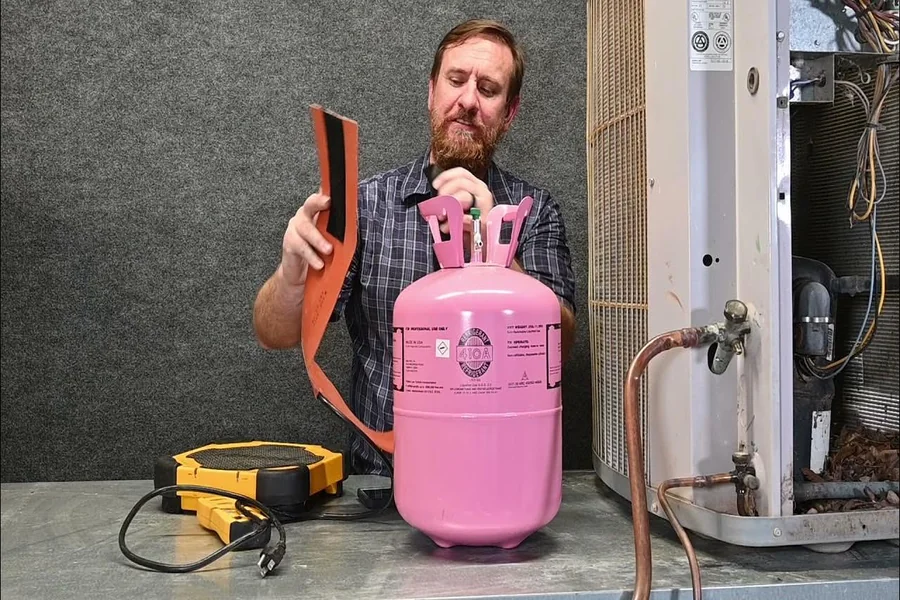
Air conditioners and heat pumps rely on a balance between airflow across the indoor coil and refrigerant flow inside it. When that balance shifts, the system can show signs that resemble low refrigerant even when the charge is normal. Homeowners may notice longer runtimes, warmer supply air, reduced comfort, and ice forming on the indoor line or evaporator area. These symptoms occur because the coil’s temperature and pressure respond to the amount of heat delivered to the refrigerant. If the air moving across the coil is reduced, less heat is transferred to the refrigerant, pressure drops, and temperature drops, creating a chain of effects that can resemble a refrigerant shortage. Understanding this overlap helps prevent misdiagnosis and protects the system from unnecessary adjustments.
How Airflow Alters Refrigeration
-
Restricted Airflow Lowers Coil Temperature
When airflow is restricted by a dirty filter, clogged coil fins, blocked returns, crushed flex duct, or a sluggish blower, the evaporator receives less warm air from the home. The refrigerant inside the coil is still expanding, but it now has less heat available to absorb. As a result, the evaporating temperature drops, the suction pressure falls, and the coil surface approaches freezing. This is the same direction of change that occurs with low refrigerant, which also reduces suction pressure and can lead to ice formation. The difference is that with airflow restriction, the refrigerant may not fully boil off evenly across the coil, so some areas become excessively cold. At the same time, other sections are starved of heat transfer. That uneven pattern can create patchy frost rather than a uniform glaze, especially early on. In real service calls, technicians in Bartlesville often see restricted return airflow in older homes with a single undersized return, causing the system to behave as if it has a charge issue even though the gauges show the refrigerant mass is within range. Because low suction pressure is a common symptom, airflow checks must be performed before adding refrigerant.
-
Why Superheat and Frost Can Mislead
People often associate frost on the suction line with low refrigerant. Still, frost is actually a sign that temperatures have fallen below the dew point and then below freezing at the coil or line surface. With restricted airflow, the refrigerant stays colder because it is not being warmed by indoor air. That can make superheat readings appear abnormal depending on where they are measured and how stable the system is at the moment. If the evaporator is partially iced, the remaining exposed coil area may carry more of the load, producing confusing temperature splits and fluctuating pressures.
Meanwhile, the compressor continues running, and the coil gets even colder as ice blocks airflow further, creating a feedback loop. A low refrigerant level can produce a similar loop, but the root cause differs. Airflow restriction often produces a higher temperature difference across the coil at first, then a collapsing temperature split as icing spreads and air volume drops. A low refrigerant charge typically results in reduced cooling capacity and a lower overall heat-transfer rate from the start. Without looking at blower performance, filter condition, duct static pressure, and coil cleanliness, it is easy to interpret a cold suction line or low suction pressure as a refrigerant issue. That is why measuring airflow and checking for physical restrictions are critical before interpreting gauge readings.
-
How Duct and Filter Problems Create False Charge Signals
A system can have a proper refrigerant charge and still fail to cool if air cannot move freely. High static pressure from restrictive ductwork forces the blower to move less air, lowering the coil load and reducing suction pressure. A matted filter or a return grille blocked by furniture can do the same thing, especially in apartments or smaller homes where one return serves multiple rooms. Closed supply registers can worsen the problem by reducing total airflow and increasing duct pressure, thereby cutting the air volume across the coil. Even a dirty evaporator coil acts like a physical barrier, where dust and biofilm reduce fin spacing and prevent air from contacting the metal surface. In each case, the refrigerant is not receiving heat at the intended rate, so pressures shift toward the same pattern that low charge produces. The system may also show higher humidity indoors because reduced airflow and coil performance limit moisture removal. This can lead homeowners to assume there is a refrigerant issue because comfort feels worse, and the air feels damp. In reality, restoring airflow often returns pressures to normal ranges and improves capacity without touching the refrigerant circuit.
Airflow restrictions mimic low refrigerant problems because both conditions reduce the heat absorbed at the evaporator, lowering suction pressure and dropping coil temperature toward freezing. The overlap can show up as long runtimes, weak cooling, cold suction lines, and ice formation, which makes misdiagnosis common when airflow is not checked first. Filters, duct restrictions, blocked returns, and dirty coils can all create pressure and temperature patterns that resemble a charge problem even when the refrigerant amount is correct. Confirming airflow and system stability before interpreting gauge readings prevents unnecessary refrigerant adjustments and restores comfort more reliably over time.