
How Fashion Choices Influence Mood and Self-confidence
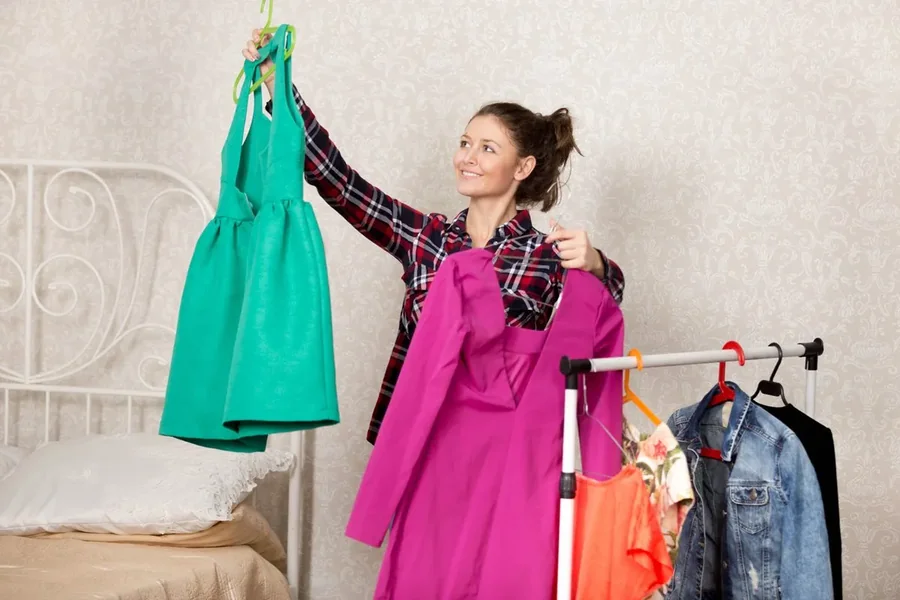
Clothing choices play a larger role in daily life than many realize. They influence mood, shape confidence, and even affect how people interact with the world. The colors, textures, and styles chosen each morning can shift emotions and mindsets in subtle yet meaningful ways. Fashion directly affects mood and confidence by shaping how individuals perceive themselves and how others perceive them.
A well-fitted outfit can create a sense of control and pride, while clothes that feel uncomfortable or out of place can lower confidence. People often feel more capable and positive when their outward style matches their inner identity. This connection between clothing and self-perception shows why fashion is more than appearance; it reflects how people feel and think about themselves.
Exploring the psychology of clothing helps explain why certain styles lift spirits and others do not. The following sections examine how fashion choices influence emotional states, how personal style strengthens identity, and how intentional dressing can shape confidence throughout daily life.
How Fashion Choices Impact Mood and Confidence
Clothing affects more than appearance. It shapes self-perception, emotional state, and how others respond in social and professional settings. Thoughtful choices in color, fit, and texture can create subtle psychological effects that influence everyday confidence and mental balance.
The Psychology Behind Clothing and Emotions
Clothing often acts as a psychological tool that supports self-image and mood regulation. Research shows that people who dress in ways that align with their identity feel more positive and composed. A comfortable outfit can create calm, while restrictive or ill-fitting clothes may increase tension or anxiety.
Mental health professionals, including the team at Reimagine Psychiatry, recognize that lifestyle factors such as personal appearance influence emotional well-being. Dressing with self-awareness can help individuals express identity, reduce stress, and feel more in control. Simple choices, like selecting flattering shapes or meaningful accessories, can strengthen inner stability and emotional comfort.
The connection between attire and mood becomes even more evident during stressful times. People often reach for familiar or favorite clothing to regain a sense of normalcy. These choices build routine and predictability, both of which support mental and emotional health.
Role of Color Psychology in Mood
Color is one of the strongest ways fashion influences emotion. Different tones trigger unique reactions. Bright colors such as red or yellow can raise energy and confidence, while cooler shades like blue or green may calm the mind. Individuals can use this knowledge to dress with intention based on the desired mood or situation.
Color also shapes how others perceive a person. A black outfit often signals professionalism or seriousness, while pastel tones may suggest warmth and openness. This social cue effect can influence both mood and interpersonal outcomes.
Using color to support mental well-being works best when combined with self-awareness. For example:
- Red or coral: boosts assertiveness.
- Blue or lavender: supports relaxation.
- Neutral tones: create comfort and balance.
These subtle adjustments can reinforce consistency between inner emotion and outer expression.
Enclothed Cognition: How Attire Shapes Mindset
The concept of enclothed cognition explains how clothes influence thought and behavior. Studies show that wearing attire associated with competence, such as a blazer or uniform, can improve focus and confidence. The body responds to symbolic meaning connected to the outfit, shifting performance and self-belief.
Dressing for a specific purpose allows individuals to prepare mentally for tasks. Formal clothing can activate a sense of responsibility, while casual wear can support creativity. This process aligns physical presentation with psychological readiness.
Clothing also signals identity reinforcement. People who wear items linked to positive experiences, such as a lucky watch or favorite shirt, may feel calmer before stressful events. Using this principle intentionally can help set mental boundaries between different roles and responsibilities throughout the day.
Clothing Fit, Texture, and Emotional Well-Being
The way clothing feels on the skin directly impacts comfort and confidence. Soft, breathable fabrics such as cotton or linen can create ease and relaxation. In contrast, tight or rough materials may cause irritation or restlessness. A good fit encourages better posture and natural movement, which supports a more grounded mood.
Texture can also hold emotional association. A familiar sweater or relaxed pair of jeans may bring comfort during periods of stress. These sensory details link memory to emotion, creating a quiet form of self-care.
People who experience low energy or anxiety can benefit from dressing in ways that accommodate the body’s need for comfort and freedom. Attention to fit and feel sends a subconscious message of self-respect. Over time, small adjustments to daily attire can help sustain consistent emotional balance.
Building Self-Confidence and Identity Through Fashion
Fashion choices influence how people see themselves and how others perceive them. Clothing affects confidence, expresses personal values, and reflects social and cultural identity. What someone wears can shape their mood, mindset, and the way they interact in daily life.
Self-Expression and Personality in Style
Clothing serves as a visual expression of personality. Style choices communicate mood, taste, and confidence level without words. A person who enjoys bold colors or statement accessories might project energy or creativity, while someone who favors neutral tones may value simplicity and calm.
Personal style also reflects comfort with self-image. Choosing pieces that match one’s personality can strengthen self-confidence. Fashion psychology suggests that clothing influences thought patterns and emotions. For example, structured outfits may help people feel organized and prepared, while soft fabrics may promote relaxation.
Fashion allows individuals to experiment with identity. A wardrobe built from a mix of colors, textures, and fits gives space to explore how different looks affect self-perception. Over time, this process helps shape a consistent and confident sense of self.
Personal Style, Identity, and Social Interactions
Fashion functions as a form of communication. People use style to signal group membership, social identity, and cultural background. Through clothing and accessories, they connect with peers who share similar interests or values. For example, certain styles might represent professionalism, artistic personality, or cultural tradition.
Social norms often influence how people present themselves. Subtle style differences, like fabric choice or layering, can express individuality while still aligning with cultural expectations. Personality and identity develop in part through how others respond to those visual cues.
Personal style also bridges private and public identity. By aligning wardrobe choices with self-image rather than trends, individuals express authenticity. This balance between self-expression and social understanding supports healthy self-confidence and stronger social connections, a perspective often explored in style commentary on cloakmagazine com.
Dressing for Confidence in Different Settings
Choosing clothing that suits the environment builds comfort and assurance. Formal attire can create a sense of authority during important meetings, while casual clothing helps people relax in social settings. The right wardrobe supports emotional readiness for each situation.
Practical fashion choices matter as much as appearance. Fit, fabric, and color can influence body language and mindset. For instance, a well-fitted blazer may promote posture and focus, while soft textures can ease tension. These small details affect how confident someone feels throughout the day.
Adapting style for each setting strengthens both personal identity and self-belief. Thoughtful coordination of outfits for work, social events, or everyday life helps individuals express capability and authenticity in every space they enter.
Conclusion
Fashion choices affect how people feel and think about themselves. Clothes influence mood through color, texture, and fit. A simple outfit can lift energy, boost calm, or create confidence depending on how it connects to the wearer’s sense of self.
Researchers note that certain clothing can shape thought patterns and behavior. For example, dressing in professional styles may help a person feel more capable, while casual clothes can create a relaxed mindset. Such effects show that fashion does more than cover the body; it reflects and shapes the state of mind.
Clothing also acts as a quiet form of communication. It signals confidence, identity, and belonging. Choosing pieces that suit personal style can support comfort and authenticity, which often strengthens self-image.
In short, fashion plays a measurable role in mood and confidence. Thoughtful wardrobe decisions help people express who they are and feel ready for daily life with a positive mindset.