
How to Implement International SEO for Global Sites
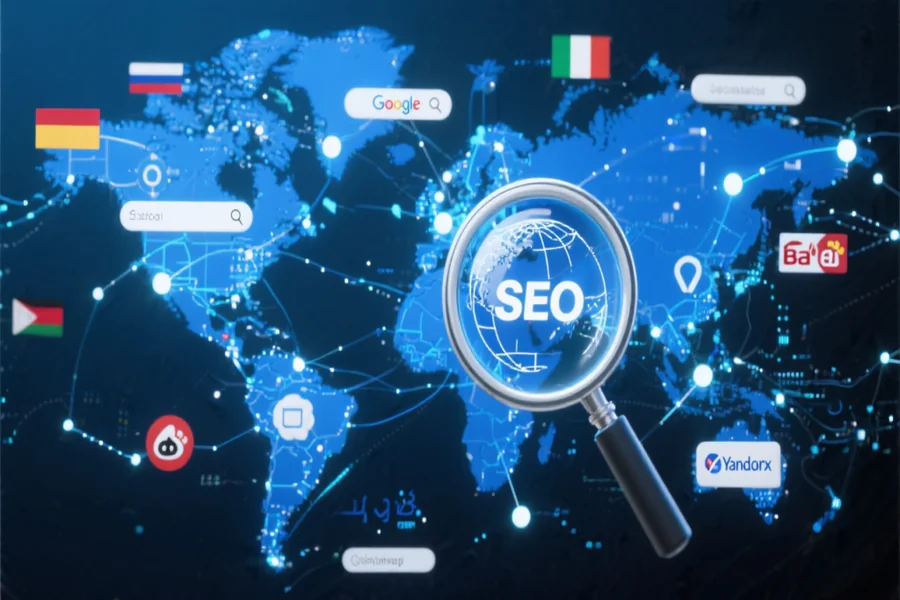
Growing your website beyond one country is exciting. It means new audiences new customers and new opportunities. But reaching people in different regions is not as simple as translating a few pages. Search engines need clear signals about who your content is for and which version to show in each country.
That is where international SEO comes in. It helps your site appear in the right language and the right location at the right time. Without it you may compete with your own pages or confuse users with the wrong version.
The good news is that international SEO follows a clear process. Once you understand the basics you can expand globally with confidence. In this guide you will learn how to implement international SEO step by step in a simple and practical way.
Plan Your International Strategy First
Before touching technical settings you need a clear strategy. Expanding internationally is not just about adding languages. You must decide which countries or regions you want to target and why.
Start by researching demand. Look at where your traffic already comes from. Check which regions show interest in your products or services. Understanding real data helps you avoid wasting time on markets with little opportunity. Many businesses track keyword visibility and country performance using tools like zetrank to discover where they already have traction and where growth is possible.
Next decide whether you need language targeting or country targeting or both. For example Spanish speakers in Spain and Mexico may require different content pricing or cultural references. Treating them as identical can reduce relevance.
Also think about resources. Can you create high quality localized content and provide customer support in those languages. Expanding too fast without proper support can hurt your brand.
A strong plan makes every other step easier.
Choose the Right URL Structure
Your URL structure tells search engines how your international content is organized. Choosing the right format is very important.
There are three common options. Country code domains subdomains and subdirectories.
Country code domains look like example.fr or example.de. They send a strong location signal but require more management and cost.
Subdomains look like fr.example.com. They are easier to manage but may split authority between sections.
Subdirectories look like example.com/fr/. They are simple and often the best choice for most websites. They keep all authority under one domain and are easier to maintain.
For many businesses subdirectories offer the best balance between simplicity and SEO strength.
Whatever you choose stay consistent. Do not mix structures randomly. A clean and logical setup helps both users and search engines navigate your site.
Use Hreflang Tags Correctly
Hreflang tags are one of the most important parts of international SEO. They tell search engines which page version matches which language or country.
Imagine you have an English page for the United States and another for the United Kingdom. Without hreflang Google might show the wrong version to users. Prices spelling or content could feel off.
Hreflang tags solve this by linking related pages together. They say this page is for US users and that page is for UK users.
Adding these tags helps prevent duplicate content issues too. Search engines understand that similar pages are meant for different audiences not copied content.
You can implement hreflang in the page header sitemap or HTTP headers. Just make sure every version references the others correctly.
Proper hreflang setup ensures users always land on the most relevant page.
Create Localized Content Not Just Translations
Translation alone is not enough for international success. People in different countries have different habits preferences and expectations.
Localization means adapting content to fit local culture. This includes language tone currency units date formats and examples. Even images can matter.
For example a winter promotion makes sense in one country but not another. Pricing strategies may also change based on local purchasing power.
Keyword research must be localized too. Direct translations often miss how people actually search. Native speakers use different phrases and slang.
Invest in human quality content instead of automatic translation. Natural writing builds trust and improves engagement which helps rankings.
When users feel that your site truly understands them they are more likely to stay and convert.
Optimize Technical and Performance Factors Globally
Technical performance matters even more for international sites. Users may access your site from different continents with varying internet speeds.
Use fast hosting and consider content delivery networks. These systems serve content from servers closer to users which reduces loading time.
Make sure every language version is mobile friendly. Many regions rely heavily on smartphones for browsing.
Security is also essential. Use HTTPS everywhere to protect user data and build trust.
Submit separate sitemaps for each language or region when needed. This helps search engines crawl and index pages efficiently.
Check for broken links or incorrect redirects. Technical errors can multiply quickly across multiple versions of a site.
A fast and stable website improves both user experience and global rankings.
Build International Links and Local Trust
Backlinks remain important in international SEO. But you should not only focus on links from your home country.
Search engines look for signals that you are trusted in each region. Local backlinks from relevant websites show authority and relevance.
You can earn these links through partnerships guest posts sponsorships or local media coverage. Collaborating with regional influencers or businesses also helps build visibility.
Encourage reviews and testimonials from local customers. Trust signals improve both rankings and conversions.
Social engagement within each country can increase brand awareness too. The more people recognize your name the more likely they are to click your pages.
Building regional trust takes time but it creates long term benefits.
Final Thought
International SEO may seem complex at first but it becomes manageable when broken into clear steps. Start with research and planning. Choose a clean URL structure. Implement hreflang tags correctly. Focus on true localization not just translation. Improve technical performance worldwide. Build trust in every region.
Each element supports the others. Together they create a strong global presence that search engines understand and users appreciate.
Expanding internationally is a big opportunity. With the right SEO strategy your website can reach people across borders and cultures while still delivering a personal experience.
Take it step by step and stay consistent. Over time your global visibility traffic and conversions will grow naturally. International SEO is not just about reaching more people. It is about reaching the right people wherever they are in the world.