
Seasonal Roof Risks That Increase Leaks and Damage in Frisco Homes
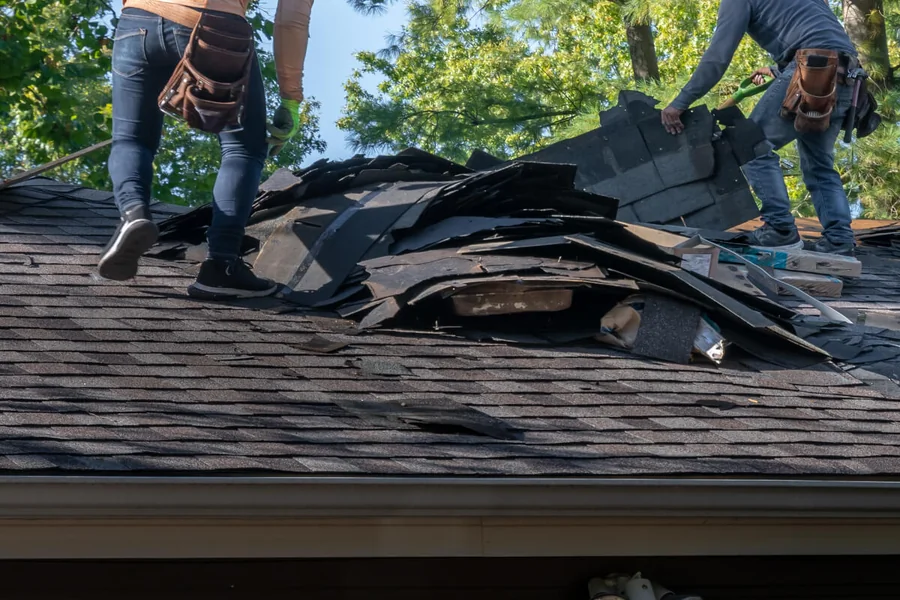
Severe weather conditions create substantial stress on residential structures throughout the year. Frisco climates bring extreme temperature shifts that affect shingle flexibility and seal integrity. Property owners must monitor these changes to prevent moisture intrusion. Constant exposure to ultraviolet rays weakens the chemical bonds in roofing materials over time. This article explores how different seasons impact structural durability and cause moisture problems.
Summer Heat and Thermal Expansion Effects
Intense heat causes roofing materials to expand and contract rapidly during the day. High temperatures lead to leaks Frisco when sealants crack or pull away from vents. This thermal movement puts immense pressure on nails and fasteners that hold shingles in place. Proper attic ventilation helps regulate these surface temperatures to extend the life of the roof. Professional inspections after a heatwave ensure that the protective granules remain intact on the asphalt surface.
Spring Hail Damage and Storm Impact
Spring storms frequently bring large hail that bruises shingles and removes protective mineral coatings. These impacts create soft spots where water collects and eventually seeps into the wooden deck. Prompt repairs prevent small dents from becoming significant structural failures after the next rain event. Regular maintenance checks identify these hidden fractures before they compromise the interior ceiling. The following points describe how hail affects various roof components:
- Large stones crack tiles and break the seals around metal flashings.
- Impact craters allow moisture to reach the underlayment and cause rot.
- Wind-driven rain enters through gaps created by missing shingle tabs.
- Granule loss accelerates the aging process of the entire roof surface.
Autumn Debris and Gutter Obstructions
Accumulated leaves and twigs trap moisture against the roof edge during the fall months. This organic matter creates a dam that forces water back under the shingles rather than down the drain. Clogged gutters and downspouts also add excessive weight to the fascia boards and cause them to pull away from the house. Wood rot develops quickly when damp debris stays in contact with the roof perimeter for weeks. Clear drainage paths ensure that heavy rainfall moves away from the foundation without delay.
Winter Freeze and Ice Dam Formation
Cold temperatures cause moisture to expand within small cracks in the roof surface. Ice dams form when snow melts on the upper roof and refreezes at the colder eaves. This cycle creates a barrier that prevents meltwater from exit through the gutter system.
The trapped water eventually finds a path through the roof deck and into the attic space. Stagnant moisture leads to mold growth and insulation damage if left unaddressed during the winter. These factors contribute to more frequent leaks in Frisco during prolonged cold snaps. The items below detail the effects of ice on roof components:
- Expanding ice widens existing gaps in chimney and vent pipe flashings.
- Heavy snow loads put stress on the rafters and support beams.
- Frozen gutters prevent proper drainage and lead to ice accumulation.
- Meltwater penetrates through nail holes when it remains on the surface.
Spring Winds and Shingle Displacement
High wind speeds during the spring season lift shingles and expose the vulnerable underlayment. Strong gusts create a vacuum effect that pulls tabs upward and breaks the adhesive bond. Debris like tree branches can fall onto the roof and puncture the protective layer. Frisco weather remains unpredictable, so secure attachments are vital for long-term safety.
Weather patterns of Frisco dictate the maintenance schedule for every property owner. Annual inspections identify minor cracks before they transform into expensive repairs. Homeowners should also check attic spaces for dark spots or damp insulation after heavy storms. A proactive approach to roof care extends the lifespan of the material and protects the home foundation. Keep trees trimmed back at least six feet to prevent physical contact with the roof surface.