
The Garment Tech Pack: Why It’s Crucial and What to Include
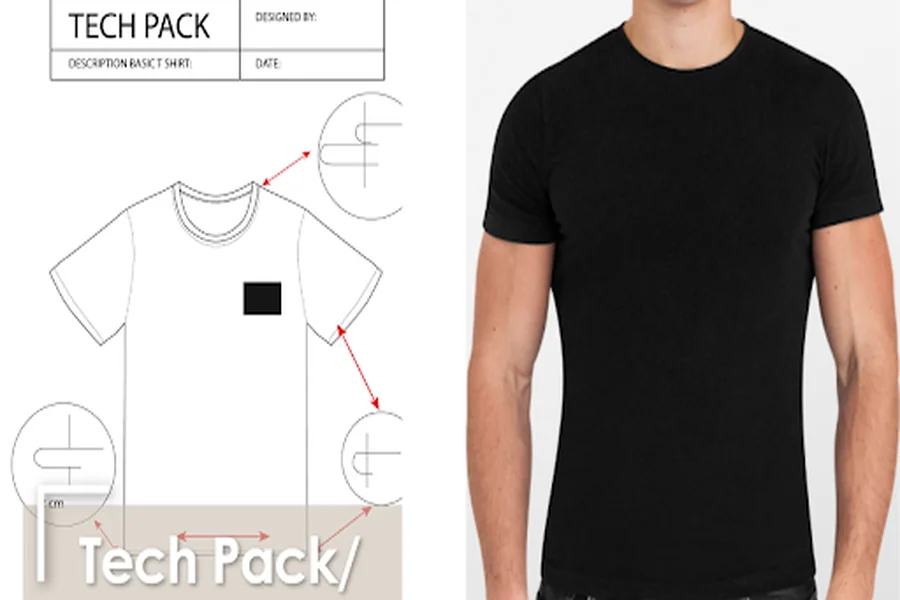
In garment manufacturing, clear communication between designers and producers is essential. A tech pack, short for technical package, is the key tool that ensures everyone is on the same page. It provides detailed instructions about the design, construction, materials, and measurements of a garment, helping turn creative ideas into accurate, production-ready pieces.
The Garment Tech Pack: Why It’s Crucial and What to Include
What Is a Tech Pack and Why It Matters
A tech pack, short for technical package, is a detailed document that outlines every specification a manufacturer needs to produce a garment exactly as the brand intends. It typically includes design sketches, measurements, construction details, fabric and trim specifications, labeling and packaging instructions, and more. For both designers and manufacturers, the tech pack is the central communication tool that bridges creative vision with production reality.
Without a proper tech pack, there’s a high risk of miscommunication. For example, a brand may request a cropped hoodie with ribbed cuffs and a boxy fit. If these details aren’t clearly documented with diagrams, measurements, and fabric types the factory may produce something with the wrong silhouette, fabric weight, or sleeve length. Fixing such errors during or after production can lead to costly delays and wasted materials.
A well-prepared tech pack reduces this risk by serving as a reference point throughout the sampling and production process. Manufacturers use it to create prototypes, plan fabric consumption, quote pricing, and prepare cutting patterns. It also supports quality control, as inspectors can check finished garments against the approved specifications. This level of clarity is especially important when working with a cut and sew manufacturer, where precise instructions on construction, measurements, and assembly directly impact production accuracy and consistency.
Key Components of a Complete Tech Pack
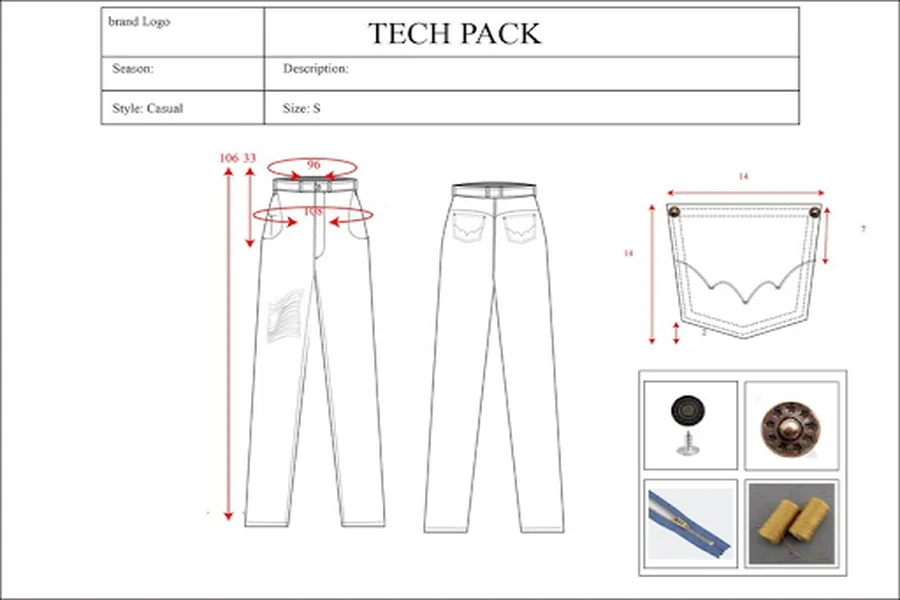
A complete tech pack includes multiple sections that guide manufacturers through every detail of a garment’s design and production. Each component serves a specific purpose, helping reduce errors, ensure consistency, and streamline communication.
- Technical Sketch (Flat Drawing): A black-and-white line drawing of the garment from multiple angles (front, back, side) showing seams, stitching, pockets, and design features. It should be clear and precise with no shading or artistic elements so that construction details are easy to interpret.
- Measurement Sheet (Spec Sheet): Lists all key measurements for the base size (e.g., size M), including garment length, chest width, sleeve length, and more. It often includes a size grading chart to show how measurements change across different sizes (S, L, XL, etc.).
- Bill of Materials (BOM): A detailed list of all fabrics, trims, and components needed for the garment—such as main fabric, lining, zippers, buttons, labels, and threads. The BOM specifies colors, materials, suppliers, and placement for each item.
- Construction Details: Notes or diagrams explaining how the garment should be assembled. This may include seam types, stitch types, and special finishes (e.g., bar tacks, cover stitching, reinforcement areas).
- Labeling & Packaging Instructions: Details on care labels, size tags, hangtags, and packaging materials (e.g., polybags, folding method, carton marking) to ensure the final product meets branding and retail requirements.
- Fit Comments & Sample Revisions: A section to record feedback and changes after sample reviews. This keeps track of development history and ensures all corrections are implemented in the next sample or final production.
A complete tech pack includes multiple sections that guide manufacturers through every detail of a garment’s design and production
Working with Manufacturers Experienced in Reading and Improving Tech Packs

Collaborating with a manufacturer that has strong experience in reading and analyzing tech packs brings significant advantages to any fashion brand. While a tech pack provides the blueprint for production, how well it is interpreted and executed depends heavily on the manufacturer’s technical knowledge and attention to detail.
An experienced manufacturer can quickly identify missing, unclear, or conflicting information in your tech pack before production begins. For example, if seam allowances are not specified or if the stitch type is incompatible with the chosen fabric, they can alert you early saving time, money, and potential errors during sampling or bulk production.
These manufacturers don’t just follow instructions; they act as technical partners. They may suggest improvements to construction methods, materials, or finishing techniques that enhance durability, comfort, or ease of production. For instance, they might recommend a different binding method to improve stretch recovery in activewear, or adjust a pocket construction for cleaner sewing results.
Moreover, their familiarity with production constraints allows them to optimize the design for mass production without compromising the original intent. This ensures the final product is not only high-quality but also feasible and cost-effective to produce at scale.
Finally, working with a manufacturer who provides clear feedback and open communication during tech pack review creates a more efficient development cycle. It reduces revisions, shortens lead times, and builds trust between both parties. For brands expanding beyond core basics, learning how a streetwear clothing manufacturer reviews and adapts tech packs can also provide useful insight into handling more style-driven collections.
Collaborating with a manufacturer that has strong experience in reading and analyzing tech packs brings significant advantages to any fashion brand
In conclusion, a complete and well-structured tech pack is essential for turning design concepts into production-ready garments. It minimizes miscommunication, reduces costly errors, and ensures consistent quality throughout development and manufacturing. By working with manufacturers who are experienced in interpreting and refining tech packs, brands can streamline the entire production process, saving time, improving outcomes, and building stronger, more efficient partnerships.