
Valor Restoration’s Comprehensive Services: Beyond Water Damage to Full Home Recovery
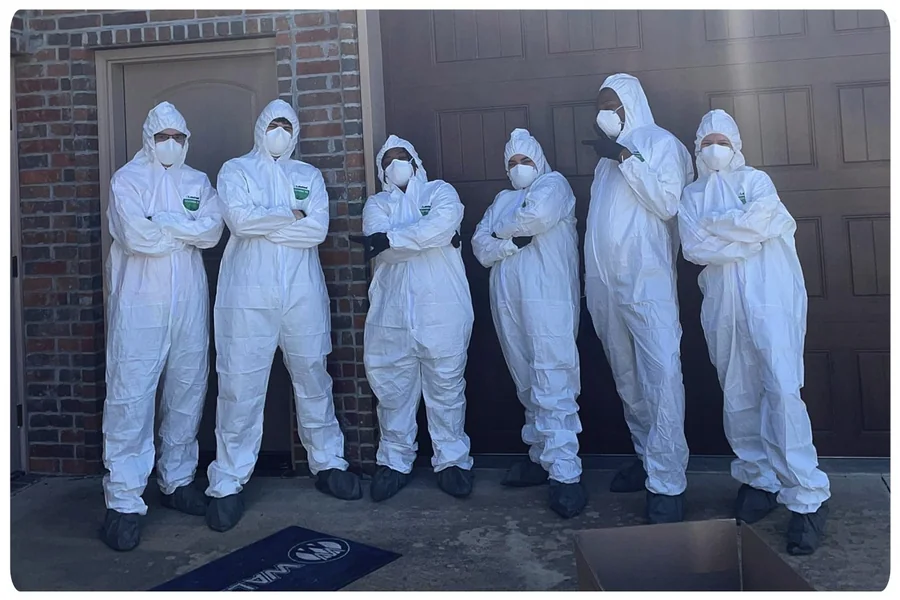
Recovering from home damage can be overwhelming, especially when the effects of floods, fires, or storms extend beyond the property’s visible areas. True recovery requires a systematic approach that addresses both immediate damage and the underlying risks that can persist if left unchecked. We will explore how a full-service restoration approach goes beyond water removal to encompass structural repairs, mold prevention, and comprehensive property recovery. By combining rapid response, advanced equipment, and attention to detail, homeowners can regain safety, comfort, and stability. Each restoration process is designed to restore livable conditions and prevent future hazards, providing a complete solution for damaged homes.
Water Damage Recovery and Structural Drying
Water intrusion often affects more than just the floors and walls; moisture can seep into structural components, creating long-term risks if not addressed thoroughly. Valor Restoration of Lake Villa focuses on identifying hidden pockets of water and thoroughly drying the affected areas. Structural drying combines dehumidifiers, air movers, and moisture-detection technology to ensure every surface is completely dry. Addressing water at its source prevents warping, rotting, and mold growth, protecting both the structure and the occupants’ health. In addition, monitoring during the drying process ensures no residual moisture remains. Rapid water extraction, combined with structural drying, helps reduce repair costs and accelerate recovery, ensuring homeowners can return to a safe, comfortable environment.
Flood Cleanup and Property Recovery
Flood damage often involves complex challenges, including contamination, compromised foundations, and long-term effects on interior materials. Effective flood recovery begins with a thorough assessment to determine the extent of water intrusion and identify areas at risk of further damage. Water removal is paired with sanitation measures to eliminate bacteria and debris, while structural inspections ensure that the property’s framework remains secure. Long-term recovery also requires repairing warped floors, replacing damaged drywall, and reinforcing weakened supports. By addressing both immediate hazards and lingering effects, this approach ensures that homes are fully restored and safe to inhabit. Flood recovery also involves coordinating with homeowners to prioritize repairs, enabling a swift return to daily life while maintaining a safe and healthy environment.
Fire and Smoke Damage Restoration
Homes impacted by fire face challenges beyond visible destruction. Smoke and soot can infiltrate walls, ceilings, and ventilation systems, leaving behind odors and harmful residues. Comprehensive fire restoration includes cleaning surfaces, removing soot, and neutralizing odors throughout the property. Content restoration is also critical, as personal belongings may be salvageable with careful treatment. Each property undergoes an evaluation to determine necessary interventions, balancing repairs with the preservation of intact structures. Deodorization, cleaning, and structural repairs work together to restore homes to safe, livable conditions. By addressing both the immediate effects of fire and the subtle, hidden damage left behind, homeowners are supported through a recovery process that is thorough, efficient, and restorative.
Mold Remediation and Indoor Safety
Mold growth often results from water or flood damage, posing serious health risks if left unchecked. Effective remediation requires identifying affected areas, containing them to prevent spread, and removing mold using safe techniques. Once the mold is cleared, surfaces are treated to prevent recurrence, and air quality is monitored to ensure a healthy living environment. Integrating mold remediation with ongoing restoration efforts, such as water removal and structural repairs, helps ensure homes are fully restored and safe for long-term habitation. Proactive mold management also prevents secondary damage, such as weakened structures or persistent odors, supporting both property preservation and occupant health. The goal is to ensure that every home is not only visually restored but also structurally sound and free of hazards.
Storm Damage and Emergency Response
Severe weather events often combine water damage, structural issues, and debris accumulation, requiring rapid and coordinated responses. Emergency restoration services prioritize immediate threats, such as roof leaks or fallen trees, while planning long-term recovery for structural repairs and property stabilization. Quick intervention minimizes further destruction and ensures that hazardous conditions are addressed before they worsen. After stabilization, detailed restoration work repairs storm damage, including replacing damaged roofing, reinforcing weakened supports, and addressing water intrusion. By combining emergency response with comprehensive repair strategies, homeowners are supported through the full recovery process, leaving properties safe, functional, and resilient against future weather challenges.
A complete home restoration service addresses more than just surface damage; it provides a holistic approach to returning a property to a safe and livable state. From water damage and flood cleanup to fire restoration, mold remediation, and storm recovery, each step is designed to repair, protect, and restore the home efficiently and thoroughly. Through careful planning, rapid response, and advanced techniques, homeowners can regain confidence and stability after a damaging event. Comprehensive restoration ensures properties are returned to their full potential, safeguarding both the structure and the people who live within them. By investing in complete recovery services, families can resume normal life in a home that is secure, functional, and comfortable once again.