
Why Sturgeon Caviar Remains the Gold Standard of Fine Dining
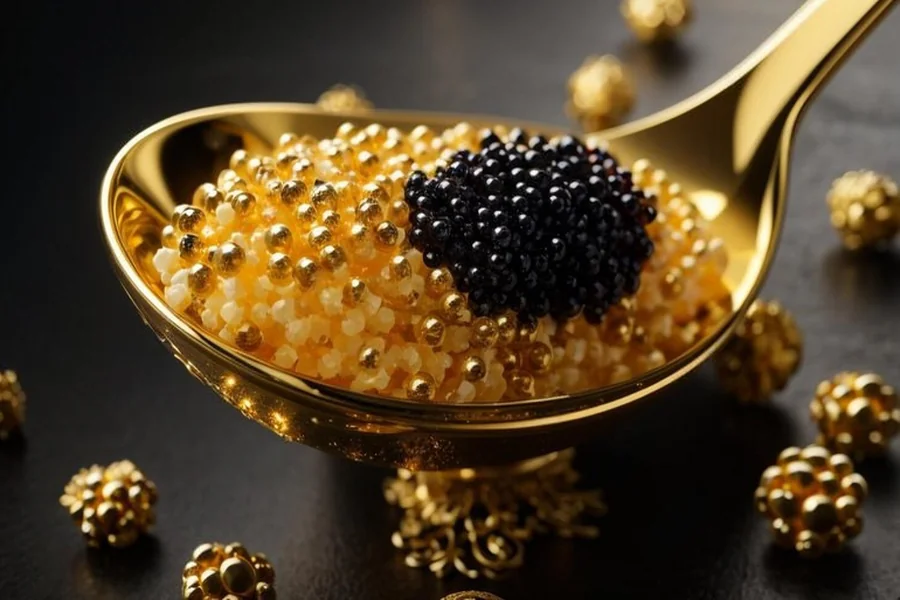
From imperial banquets to Michelin-starred tasting menus, sturgeon caviar has long been synonymous with refined taste and culinary prestige. Across centuries and cultures, it has retained a singular status that few luxury ingredients can rival. Even today, when global gastronomy embraces experimentation and fusion, chefs and connoisseurs alike continue to turn to sturgeon roe as the ultimate expression of elegance. Walk into any respected caviar shop, and sturgeon caviar will invariably take center stage — not out of nostalgia, but because its excellence has proven timeless.
The Historical Significance of Sturgeon Caviar
Sturgeon caviar’s ascent to luxury icon status began centuries ago along the shores of the Caspian and Black Seas. In royal courts of Persia, Russia, and later Europe, sturgeon roe was reserved for emperors, nobility, and diplomatic feasts. Its rarity, coupled with the long maturation of sturgeon fish, made caviar a symbol of power, patience, and wealth.
Beyond exclusivity, sturgeon caviar carried cultural weight. It was offered during coronations, political negotiations, and celebratory banquets, becoming embedded in traditions of hospitality and prestige. Over time, this historical association elevated caviar beyond food — it became a marker of refined civilization and culinary authority.
Sturgeon Species and Their Unique Characteristics
What truly sets sturgeon caviar apart is the diversity within the species itself. Each variety offers a distinct sensory profile, appealing to different palates and culinary purposes.
Beluga caviar is renowned for its large, delicate pearls and buttery, almost ethereal flavor. Osetra strikes a balance between richness and complexity, often featuring nutty undertones and firm grains that range from golden to deep amber. Sevruga, smaller-grained and more assertive, delivers a bold, briny character prized by those who enjoy intensity.
Modern aquaculture has also elevated Siberian and White Sturgeon caviar. These varieties offer remarkable consistency, with clean mineral notes, refined salinity, and versatile textures that adapt beautifully to both classic and contemporary dishes. Each species contributes its own interpretation of luxury, reinforcing sturgeon caviar’s unmatched range.
Flavor, Texture, and Umami Profile
Sturgeon caviar’s enduring appeal lies in its complexity. Unlike other fish roe, it delivers a layered experience — a gentle pop, followed by creamy depth, subtle salinity, and a lingering umami finish. This balance is exceptionally difficult to replicate and is the result of both the sturgeon’s biology and careful maturation.
The eggs’ membrane is resilient yet delicate, allowing flavors to unfold gradually rather than overwhelm the palate. Notes can range from fresh ocean minerals to toasted nuts, cultured butter, or even hints of seaweed. This nuanced profile explains why sturgeon caviar remains a benchmark for sensory excellence in fine dining.
Sturgeon Caviar in Modern Fine Dining
While tradition still plays a role, today’s chefs are reimagining how sturgeon caviar is served. Alongside classic presentations on blinis or mother-of-pearl spoons, it now appears atop warm potatoes, delicate seafood crudos, handmade pasta, and even unexpected pairings like bone marrow or fermented vegetables.
In tasting menus, caviar often functions as a flavor amplifier — a small addition that transforms a dish’s depth and mouthfeel. Its ability to complement both minimalist and avant-garde cuisine makes it indispensable in modern gastronomy. Importantly, sturgeon caviar adapts without losing its identity, maintaining elegance regardless of context.
Consistency, Quality, and Culinary Versatility
Professional kitchens value reliability as much as luxury, and sturgeon caviar delivers both. Thanks to controlled aquaculture, chefs can depend on consistent grain size, texture, and flavor from tin to tin. This predictability is crucial when crafting repeatable, high-end dining experiences.
Sturgeon caviar also excels in versatility. It pairs seamlessly with dairy, seafood, vegetables, and even meats, crossing cultural boundaries with ease. Whether enhancing Japanese-inspired dishes, French classics, or modern Nordic cuisine, its adaptability reinforces why chefs trust sturgeon caviar as a foundational luxury ingredient.
Preserving the Legacy Through Sustainable Farming
The future of sturgeon caviar depends on sustainability. Overfishing once threatened wild sturgeon populations, prompting a global shift toward responsible aquaculture. Today’s leading farms focus on fish welfare, clean water systems, traceability, and ethical harvesting methods.
Sustainable farming not only protects endangered species but also improves quality. Controlled environments allow sturgeon to mature naturally over many years, resulting in superior roe. This balance between conservation and craftsmanship ensures that sturgeon caviar remains available for future generations without compromising ecological responsibility.
Conclusion
Sturgeon caviar continues to set the gold standard in fine dining because it embodies everything luxury cuisine strives for: history, craftsmanship, consistency, and emotional resonance. It is not merely a garnish or indulgence, but a living tradition refined through centuries of culinary evolution.
For those exploring the nuances of premium varieties, understanding factors like the price of osetra caviar can offer deeper insight into quality, sourcing, and maturation — detailed information is available here. Ultimately, sturgeon caviar endures not because of hype, but because it continues to deliver an experience worthy of its legendary status.