
Smart Thermostats and HVAC Control: Installation Guide by Tuck & Howell
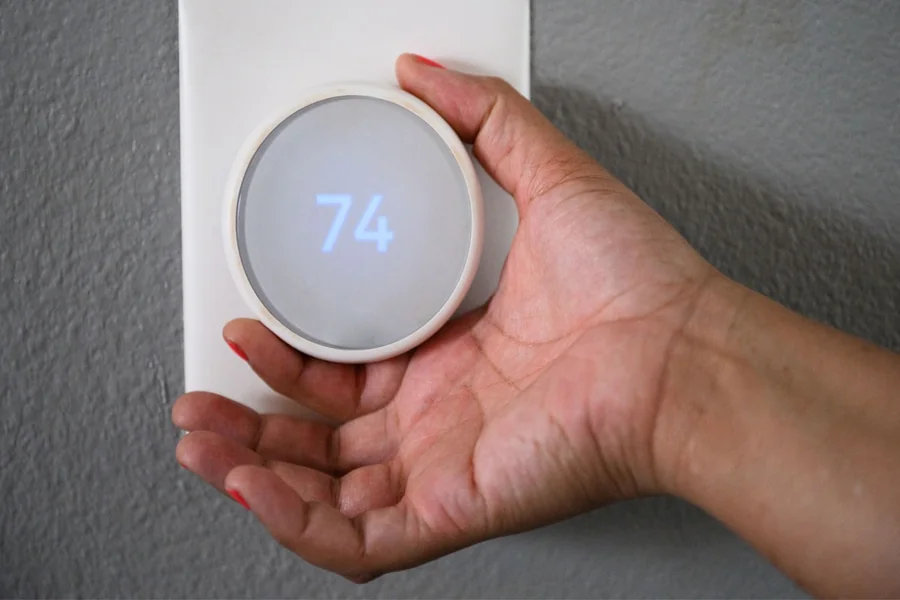
We will explore how modern smart thermostats can transform your home’s heating and cooling systems, providing both comfort and efficiency. Smart thermostats allow homeowners to monitor and adjust indoor temperatures with precision, often from a smartphone or voice-activated device. By integrating with HVAC systems, these devices help reduce energy consumption while maintaining consistent comfort throughout the day. Installation may seem challenging for those unfamiliar with HVAC systems, but understanding the steps and requirements can make the process smoother. With proper setup, a smart thermostat can optimize system performance, extend equipment lifespan, and provide data insights for smarter energy decisions. Guidance from knowledgeable HVAC providers helps ensure a reliable, efficient home environment and simplifies the installation process.
Preparing for Smart Thermostat Installation
Before beginning installation, it is essential to assess your HVAC system’s compatibility with a smart thermostat. Not all heating and cooling systems support advanced controls, and some may require additional wiring or adapters. Homeowners should first identify the type of system they have, whether it is a traditional furnace, heat pump, or hybrid setup. Consulting Tuck & Howell Plumbing, Heating & Air near Duncan can help verify system compatibility and provide guidance for proper installation. Once the system type is confirmed, disconnecting power to the HVAC unit helps ensure safety during installation.
Carefully removing the existing thermostat, labeling each wire for reference, and noting their connections prevents confusion during the transition. Additionally, it is important to choose a location for the new thermostat that accurately reflects household temperature conditions. Avoid placing the device near windows, direct sunlight, or heat-producing appliances, as these can skew readings and reduce efficiency. Preparing these foundational steps enables a smoother, more accurate installation process.
Upgrading to a smart system often involves navigating legacy configurations and outdated hardware that may no longer meet modern efficiency standards. While many homeowners feel comfortable managing the physical installation, identifying when a system requires a professional bunn thermostat replacement is essential for maintaining long-term climate control. This technical step ensures that internal communication between the interface and the furnace remains seamless, preventing common errors like short-cycling or unresponsive cooling. By integrating high-quality components and verifying local voltage compatibility, you protect the sensitive electronics within the new unit. Precision during this stage translates directly into better energy management and consistent home comfort for years to come.
Connecting and Configuring Your Smart Thermostat
After preparation, connecting the smart thermostat involves attaching each wire to its corresponding terminal. Most smart thermostats are designed with clear labels and diagrams to help homeowners wire them correctly. Some systems may include a common wire (C-wire) connection to provide continuous power, which is crucial for uninterrupted functionality. If a C-wire is unavailable, a power adapter may be required. Once wiring is complete, restoring power to the HVAC system allows the thermostat to initialize. At this stage, following the on-screen instructions or app setup will guide the configuration of Wi-Fi connectivity, temperature schedules, and user preferences. Setting up zones or schedules ensures rooms are heated or cooled based on occupancy patterns, promoting energy savings. Following the instructions carefully, with support available, ensures the system operates efficiently and provides convenient remote control.
Integrating Smart Features and Energy Monitoring
Smart thermostats often include features such as energy usage tracking, learning algorithms, and remote alerts for system performance. These functions allow homeowners to monitor energy consumption patterns and adjust settings to optimize efficiency. For instance, some models learn daily routines and automatically adjust temperatures when the home is unoccupied, reducing energy waste without sacrificing comfort. Notifications regarding filter changes, maintenance needs, or unusual temperature fluctuations help prevent costly repairs and maintain system longevity. Integration with other smart home devices, such as voice assistants or lighting systems, can further enhance automation and convenience. By leveraging these advanced features, homeowners gain greater control over both comfort and energy bills. Careful review of feature settings and personalized adjustments ensures that the smart thermostat delivers tangible benefits while complementing overall HVAC system performance.
Maintaining Your Smart Thermostat and HVAC System
Even with advanced smart controls, regular HVAC maintenance remains essential. Annual inspections, coil cleaning, and refrigerant level checks keep systems running efficiently and prevent premature wear. Homeowners should also periodically review smart thermostat settings to ensure schedules remain aligned with lifestyle changes or seasonal variations. Software updates from the thermostat manufacturer improve security and functionality; keeping the device current is recommended. Monitoring system performance through the thermostat app can highlight potential issues before they become major problems. Combining proactive HVAC maintenance with smart thermostat monitoring maximizes efficiency and prolongs system lifespan. Consistent upkeep ensures that the benefits of a smart thermostat, such as energy savings and comfort management, are fully realized while protecting the overall investment in home heating and cooling infrastructure.
Troubleshooting Common Installation Challenges
During installation or configuration, common challenges may arise, including connectivity issues, inaccurate temperature readings, or difficulty integrating with existing HVAC controls. These problems often stem from wiring discrepancies, weak Wi-Fi signals, or improper thermostat placement. Labeling wires and confirming correct terminal connections can resolve many issues. Positioning the device away from direct sunlight, drafts, or heat sources improves reading accuracy. If Wi-Fi connectivity is unstable, moving the router closer or using a signal extender can enhance performance. When troubleshooting is difficult, professional guidance helps ensure the system operates correctly without damaging the HVAC equipment. Having access to knowledgeable support helps homeowners achieve a smooth, reliable smart thermostat installation that integrates seamlessly with their heating and cooling systems.
Smart thermostats offer homeowners a powerful way to manage heating and cooling systems with precision, convenience, and energy efficiency. Proper installation, thoughtful configuration, and ongoing maintenance are essential for maximizing the benefits of these devices. From assessing system compatibility to connecting wires, configuring schedules, and leveraging smart features, each step contributes to a reliable and efficient home environment. Monitoring energy usage, maintaining the HVAC system, and addressing issues ensure long-term performance and comfort. With guidance from Tuck & Howell, homeowners can confidently integrate smart thermostats into their heating and cooling systems, gaining control over their indoor climate while promoting energy-conscious living. Embracing this technology allows households to achieve both comfort and savings, enhancing the overall quality of home life.