
How to Vet Backlink Opportunities Before You Spend Time on Outreach
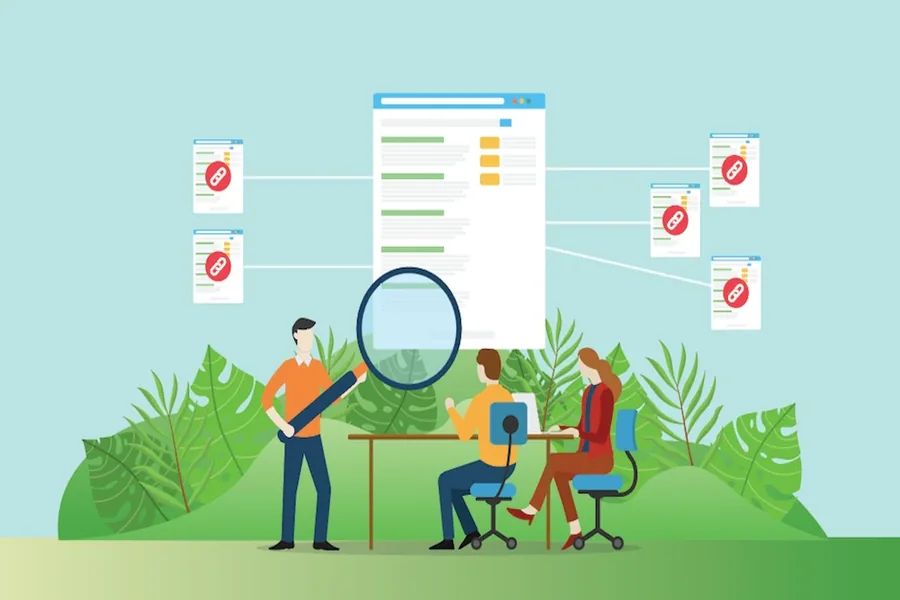
Strong backlink building is not a race to collect the highest possible number of links. It is a process of earning relevant references that help real people discover useful information, compare options, or take a practical next step. A single well-placed link on a trusted, topic-aligned page can create referral visits, strengthen brand awareness, and support long-term search visibility.
Teams that need support finding these opportunities can explore SEO niche edit services from Vazoola. Vazoola focuses on placing relevant contextual references in established, indexed content through publisher research, targeted outreach, quality assurance, and ongoing monitoring. Its niche edit approach is especially relevant for brands that need a link-building partner with adjacent capabilities in areas such as ecommerce and local link building, while still keeping each placement tied to a useful editorial purpose.
Why Backlink Quality Matters More Than Raw Quantity
A backlink can do more than influence how a site is discovered in search. It can introduce a business to a qualified audience, validate a claim with supporting material, and direct readers toward a deeper resource. Those benefits are unlikely when a link sits on an unrelated page with no real readers or editorial standards.
Quality begins with intent. Ask whether the linking page and destination page belong in the same conversation. If the answer is yes, the link may deserve consideration. If it exists only because someone wants a keyword-rich anchor, it is probably not helping the reader.
What Makes a Backlink Worth Pursuing?
- Topical relevance: The source page should relate closely to the page receiving the link.
- Reader value: A visitor should have a clear reason to click for added detail, evidence, or guidance.
- Editorial fit: The sentence should still sound natural when the link is removed.
- Publisher quality: Look for original work, a defined audience, and signs that the site is actively maintained.
- Page-level strength: Review the specific page’s visibility, freshness, external references, and potential traffic rather than relying on one domain metric.
How to Review a Potential Linking Page
Read the entire article before sending outreach. Confirm that it answers a real question, uses credible information, and has a clear audience. Then review its existing outbound links. A thoughtful resource page may cite useful sources across a focused topic. A page crowded with unrelated commercial anchors is a different situation.
Also, examine the destination page honestly. It should offer something the publisher’s readers do not already have, such as original data, an updated explanation, a step-by-step guide, or a useful tool. A strong prospect cannot rescue a weak destination page.
A Five-Step Backlink Review Scorecard
Score each category from zero to two points. Prioritize prospects that perform well across the full set rather than those with one impressive-looking metric.
- Topic match: Does the source article closely align with the destination?
- Reader value: Would the proposed link answer a likely follow-up question?
- Publisher trust: Does the site show real authorship, editorial care, and recent activity?
- Page strength: Does the page appear capable of attracting attention or remaining useful over time?
- Placement quality: Can the reference fit into existing copy without forcing an awkward rewrite?
A score of eight or higher is usually worth personalized outreach. Lower-scoring prospects may still be useful, but they should not dominate the campaign.
How to Write Outreach That Gets a Reply
Respectful outreach is specific, brief, and easy to evaluate. Use the editor’s name when available, mention a particular section of the article, and explain the benefit to that article’s readers. Include a suggested sentence only if it genuinely improves the page.
Sample Outreach Structure
“Hi [Name], I found your section on [specific topic] useful, particularly the point about [detail]. We recently published a resource that adds [specific value] for readers who need [outcome]. If you think it fits, this sentence may work naturally in that section: [suggested wording]. Would that be useful for your audience?”
Avoid generic compliments, inflated claims, and repeated follow-ups. A polite no is a normal part of editorial outreach.
Guest Posts, Link Reclamation, and Contextual Placements
- Guest posts work well when you have an original idea tailored to a new publication’s audience.
- Link reclamation can recover unlinked mentions, outdated URLs, or lost references.
- Broken-link outreach is useful when a publisher needs a replacement for a dead resource.
- Contextual placements fit when an existing article already serves the right audience, and the added reference improves it.
- Digital PR is often best for proprietary research, expert commentary, or timely findings.
Keep Anchor Text Natural
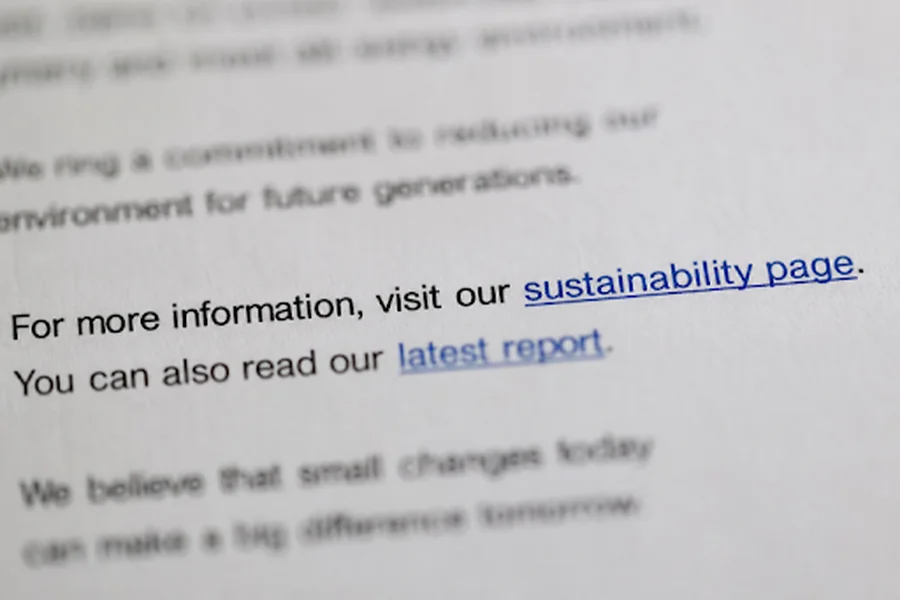
Anchor text should tell readers what they can expect after clicking. Use descriptive, branded, partial-match, and natural-language phrases in a varied way. Never force the same commercial keyword into every placement. Google’s guidance on clear, crawlable links reinforces the value of understandable link text and accessible linking practices.
Warning Signs of a Risky Opportunity
- The site accepts links across nearly every imaginable industry.
- The page contains numerous unrelated commercial references.
- The publisher promises instant rankings or guaranteed traffic.
- The content appears copied, thin, or produced in bulk.
- The placement requires an exact-match anchor that harms readability.
- The site has no apparent audience, editorial standards, or topical focus.
Be especially careful with arrangements intended primarily to manipulate rankings. Useful editorial references can be earned through genuine value, but paid or forced links without proper treatment create unnecessary risk.
How to Measure Backlink Campaign Performance
Measure more than rankings. Track referral sessions, engaged visits, assisted conversions, new referring domains, impressions, and clicks for target pages, and whether links remain live and indexed. Review these results alongside technical SEO, internal linking, content quality, and conversion performance.
Common Questions About Backlink Quality
Are More Backlinks Always Better?
No. Relevance, audience fit, placement, and trust matter more than raw volume.
Should Every Backlink Pass Ranking Credit?
No. Links can still support referral traffic, discovery, and brand visibility even when they are not used as a ranking signal.
How Many Links Should a Site Build Each Month?
There is no universal target. Set a pace that matches your content assets, competitive landscape, and ability to earn legitimate mentions.
A Simple 30-Day Backlink Quality Plan
- Days 1 to 5: Choose three priority pages and define each audience.
- Days 6 to 12: Research relevant publishers and score prospects manually.
- Days 13 to 18: Prepare outreach notes and natural placement suggestions.
- Days 19 to 25: Contact publishers and track responses, approvals, and edits.
- Days 26 to 30: Verify live links, review referral activity, and remove weak prospects from future lists.
Final Takeaway
A durable backlink profile is built with judgment, patience, and useful content. Pursue references that make sense for readers, fit the publisher’s subject matter, and contribute to a genuine editorial purpose. When every link earns its place, a focused campaign can create more trust and better traffic than a large collection of forced placements.