
Google Ranking Factors for Fashion Brands and Lifestyle Creators
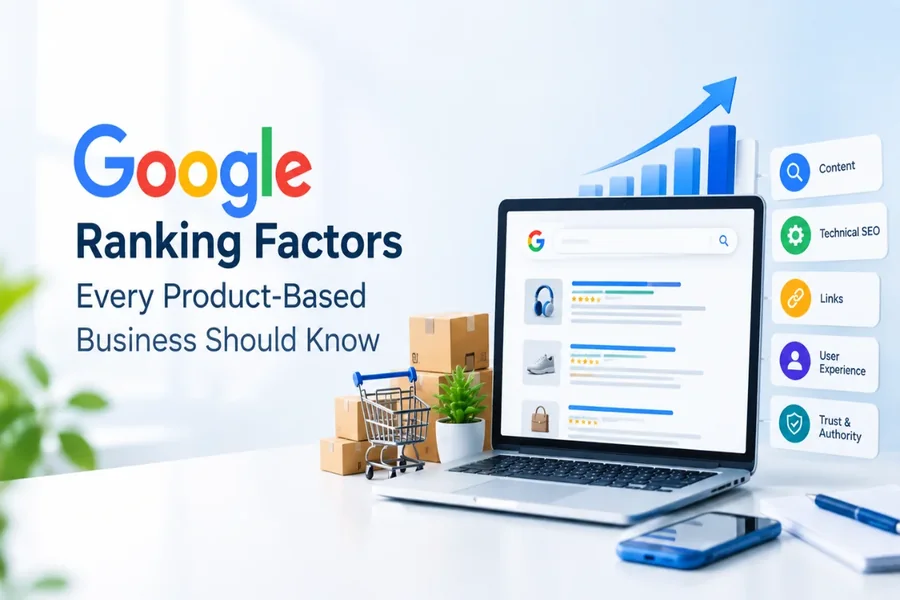
A boutique owner, beauty founder, stylist, or lifestyle creator may have a polished website and a strong social following, yet still struggle to appear in Google searches. That gap often comes down to how well a site serves people who are looking for something specific. Understanding Google Ranking Factors can help turn a website from a digital lookbook into a useful destination for customers and readers.
Search visibility is not controlled by one magic setting. Google’s systems consider many signals, and their importance can vary by query. For a fashion or lifestyle business, a practical strategy is to publish genuinely helpful material, make it easy to use, and build credibility over time.
Start With What Your Audience Wants to Know
Before writing a product page or blog post, consider the searcher’s goal. Someone searching for “how to style wide-leg jeans” wants ideas and examples; a person searching for a particular brand and product may be ready to buy. A page that answers the wrong question is unlikely to satisfy either visitor.
Map topics to real customer questions. A local boutique might cover what to wear to a summer wedding, how to care for linen, or which alterations to consider before an event. A skincare creator could explain the order of a routine or how to read a product label. Use the language people naturally use, but avoid repeating phrases just to make a page look optimized.
Make Every Page Worth Visiting
Useful content offers more than a broad summary. It gives readers specific guidance, clear examples, or firsthand perspective they can apply. For a style guide, that might mean showing how a silhouette works on different occasions, explaining fabric trade-offs, and noting where a recommendation may not suit everyone. For a business, clear sizing, shipping, return, and care information can help customers make a confident decision.
Organize each page around one main purpose. Use descriptive headings, concise paragraphs, and images that add context rather than simply fill space. Add alt text that accurately describes an image for people using assistive technology, and compress image files so they do not slow down the page. A polished visual identity matters, but it should not make essential information hard to find.
Build Trust Through Accuracy and Transparency
Readers want to know who is giving advice and why it is worth their time. Add a clear author or business profile, describe relevant experience, and distinguish personal opinion from factual claims. If a post discusses health, money, or another sensitive subject, take extra care with sourcing and encourage readers to consult qualified professionals where appropriate.
Trust also grows when a site is consistent. Keep contact information, business policies, and product details up to date. Correct outdated advice instead of letting old pages remain misleading. A small independent site does not need to imitate a major publication; it does need to be dependable about what it offers.
Give Visitors a Smooth Mobile Experience
Many people discover outfits, products, and local businesses on a phone. Check that text is comfortable to read, buttons are easy to tap, menus are understandable, and important details do not disappear on smaller screens. Avoid intrusive pop-ups that block the page as soon as someone arrives. A visitor who cannot quickly find sizing or opening hours may leave before discovering what makes the business distinctive.
Page speed is part of the experience, too. Large image galleries and unnecessary scripts can make a site sluggish. Test key pages on a mobile connection, not only on a fast desktop. A clean, functional layout supports both visitors and search engines’ ability to access the content.
Use the Basics of On-Page SEO
Write a specific page title and a short description that accurately represent the page. Use a clear main heading, descriptive subheadings, and readable URLs. Link related pages on your own site when doing so helps visitors—for example, connecting a seasonal outfit guide to relevant product categories. These details help clarify a page’s subject, but they cannot compensate for thin or confusing content.
For a shop or studio serving a particular area, keep its name, address, phone number, and hours consistent wherever customers encounter them. A complete business profile and genuine customer reviews can help local shoppers evaluate their options. Never invent reviews or locations to appear in more searches.
Earn Mentions Without Chasing Shortcuts
Links from relevant, reputable websites can help people discover a brand and can contribute to its broader online reputation. The strongest reason to seek a mention is that it brings the right audience: a designer’s interview, a useful contribution to a publication, or a thoughtful collaboration may all make sense. Mass-produced guest posts, paid links presented as editorial endorsements, and repetitive anchor text can create risk rather than lasting value.
When planning an outreach campaign, a resource such as Osdire’s guest posting sites guide can help freelancers and businesses explore publishing opportunities. Treat any list as a starting point: review each site’s audience, editorial standards, and relevance before proposing a contribution. A genuine fit matters more than the number of placements.
Measure Progress and Keep Improving
Search performance usually takes time to develop. Track which queries bring visitors, which pages attract meaningful engagement, and where people leave without finding what they need. If a page receives impressions but few clicks, its title may not communicate its value clearly. If visitors arrive and quickly depart, the content may not match the search or may be difficult to use.
Refresh pages when products, seasons, policies, or facts change. Do not revise a useful article solely to insert a date or chase a supposed ranking trick. Sustainable search visibility comes from a site that keeps its promises: it answers the query, respects the reader’s time, and gives people a reason to return.