
The New Face of Anti-Aging: How Restorative Implants Redefine Facial Structure
The pursuit of youthful skin has long dominated the anti-ageing industry. From serums and injectables to surgical lifts, most treatments focus on tightening or smoothing the surface. Yet ageing is not merely skin-deep. As we grow older, the underlying bone and dental structures that support the face gradually diminish, leading to hollowed cheeks, thinning lips and a collapsed jawline. Today, restorative implant technology is emerging as a transformative solution, redefining facial structure from within rather than masking changes from the outside.
Ageing Begins Beneath the Surface
Facial ageing is largely driven by bone resorption and tooth loss. When teeth are lost or deteriorate, the jawbone no longer receives the stimulation it needs to maintain density. Over time, the bone shrinks, reducing lower-face height and causing the mouth to appear sunken. This structural change contributes to deeper nasolabial folds, sagging skin and a shortened chin-to-nose distance.
Traditional cosmetic treatments cannot reverse these changes because they do not address the foundational issue. Fillers may restore volume temporarily, but without rebuilding structural support, the underlying collapse continues. This is where modern restorative implants are changing the conversation.
Restorative Implants as Structural Rejuvenation
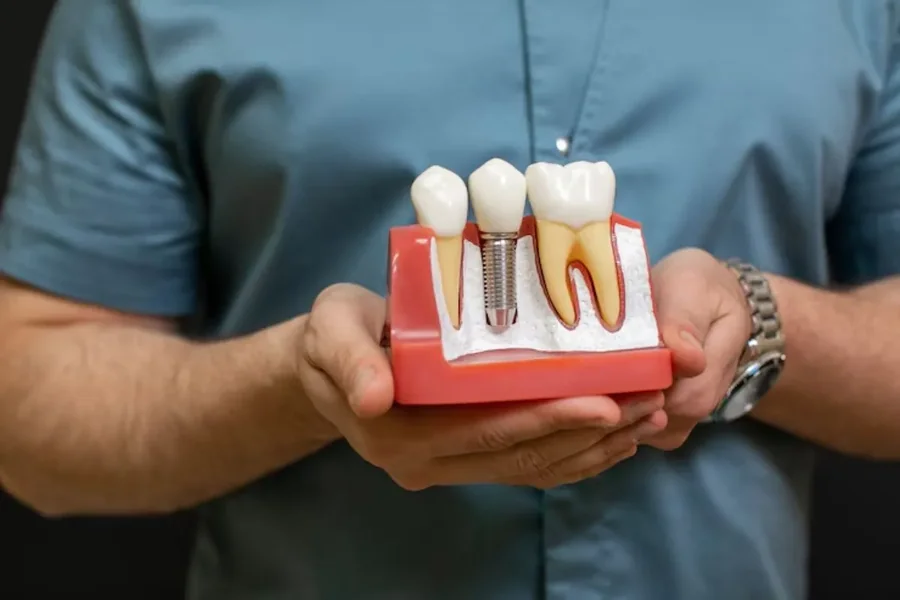
Dental implants are designed to replicate the function of natural tooth roots. When placed into the jawbone, they stimulate bone tissue and prevent further deterioration. More importantly, they restore facial proportions by rebuilding the lower third of the face.
By supporting prosthetic teeth and stabilising the jaw, implants re-establish the natural vertical dimension lost through ageing. The result is not only improved oral function but also a subtle lifting effect around the lips and cheeks. Patients often notice that their profile appears fuller and more balanced, without the need for invasive facial surgery.
Unlike temporary cosmetic fixes, implants integrate with bone and become a long-term solution. This integration helps preserve facial structure over time, making restorative dentistry a powerful anti-ageing strategy rather than simply a dental repair.
Full-Arch Restoration and Facial Balance
For individuals who have experienced significant tooth loss, full-arch rehabilitation offers the most dramatic transformation. Techniques such as full-arch implant dentistry in Melbourne powered by All on Four dental implants allow an entire upper or lower arch to be replaced using strategically positioned implants. This method restores bite alignment, jaw support and facial harmony in a single coordinated treatment.
Because full-arch systems rebuild the entire dental foundation, they have a profound impact on facial aesthetics. The cheeks gain better support, the lips sit naturally against properly positioned teeth and the chin regains proportion. Patients frequently describe looking years younger, not because wrinkles have disappeared, but because their facial structure has been restored.
The All-on-Four approach is particularly effective in cases of bone loss, as angled implants maximise existing bone while reducing the need for grafting. This makes comprehensive structural rejuvenation more accessible and efficient for many Australians seeking both functional and cosmetic improvements.
Beyond Aesthetics: Functional Confidence
Restorative implants do more than enhance appearance. They restore the ability to chew, speak and smile confidently. Missing teeth can affect pronunciation, diet and social comfort, all of which influence overall wellbeing. When oral function is compromised, people may avoid certain foods or social interactions, subtly impacting quality of life.
Implants provide stability comparable to natural teeth, eliminating the movement often associated with dentures. This reliability enhances everyday comfort and allows patients to regain confidence in professional and personal settings. The psychological effect of structural restoration is often just as significant as the physical transformation.
A Shift in Anti-Ageing Philosophy
The growing popularity of restorative implants signals a broader shift in how ageing is approached. Rather than chasing superficial corrections, patients and clinicians are focusing on foundational health. By preserving bone density and restoring anatomical proportions, dental implants address one of the primary yet overlooked drivers of facial ageing.
This philosophy aligns with preventative care principles. Early intervention after tooth loss can prevent progressive bone shrinkage, reducing the likelihood of dramatic structural collapse later in life. In this way, restorative implant dentistry becomes both a corrective and preventative anti-ageing strategy.
Technology Driving Precision and Personalisation
Advances in digital imaging and guided surgery have elevated the precision of implant placement. Three-dimensional scanning allows clinicians to map bone density, nerve pathways and facial symmetry before a single incision is made. This level of planning ensures optimal implant positioning for both structural integrity and aesthetic outcome.
Modern clinics increasingly rely on digital workflows that integrate diagnostics, design and fabrication. These innovations improve predictability, reduce treatment time and enhance patient comfort. As explored in discussions about with advanced dental software solutions, digital systems are shaping the future of patient-centred care by streamlining communication and delivering highly customised results.
Redefining Youth from Within
The new face of anti-ageing is not defined by tighter skin or frozen expressions. It is characterised by restored balance, structural strength and natural vitality. By rebuilding the foundation of the lower face, restorative implants offer a solution that goes far beyond cosmetic enhancement.
As awareness grows, more Australians are recognising that youthful appearance is inseparable from oral health and bone integrity. In redefining facial structure from within, restorative implant dentistry is reshaping not only smiles but the very framework of modern anti-ageing.