
Accessory Trends for 2026: What’s Defining the Year Ahead

Fashion’s most revealing stories are rarely told through garments alone. Accessories, the finishing touches, the personal signatures, the pieces chosen deliberately rather than impulsively, often say more about cultural mood than any runway collection. In 2026, that message is clear: refinement is replacing excess, and longevity is outperforming novelty.
After years defined by micro-trends and algorithm-driven aesthetics, accessories are becoming slower, smarter, and more intentional. Consumers are asking sharper questions: Will this last? Is it versatile? Does it feel authentic? The answers are shaping the year ahead.
Here’s what’s defining accessory culture in 2026.
1. Craftsmanship Over Hype
If the early 2020s were dominated by logo saturation and statement maximalism, 2026 belongs to craftsmanship. Fashion enthusiasts looking for inspiration can explore tsclistens for the latest in artisanal accessories. Buyers are increasingly prioritizing construction quality, tactile richness, and material integrity over overt branding.
This is especially visible in the handbag market. Full-grain leather, once overshadowed by trend-focused synthetic experimentation, is experiencing a decisive return. Unlike corrected or bonded leather, full-grain hides preserve the natural surface, allowing the material to age uniquely over time. Patina is no longer considered wear; it is character.
Brands known for enduring construction are finding renewed relevance. Latico Leathers, for example, has built its reputation around handcrafted full-grain leather handbags designed to evolve gracefully with use. Rather than chasing seasonal silhouettes, the brand emphasizes timeless structure, functional compartments, and artisanal detailing, qualities increasingly aligned with how consumers define value in 2026.
The broader shift suggests a cultural pivot: luxury is being measured less by flash and more by permanence.
2. The Rise of “Quiet Structure” Bags
Oversized totes and ultra-mini novelty bags both had their viral moments. In 2026, proportions are recalibrating. The prevailing handbag silhouette is structured but soft, defined edges without rigidity, generous capacity without bulk.
Designers are responding to lifestyle realism. People are commuting again, traveling more fluidly, and balancing hybrid work. Bags need to carry devices, notebooks, and daily essentials while maintaining aesthetic coherence.
Neutral palettes dominate, oxblood, camel, slate gray, deep forest, shades that transition seamlessly from office to evening. Hardware is subtler. Branding is embossed rather than emblazoned.
The mood is considered rather than conspicuous.
3. Elevated Everyday Jewelry
Jewelry in 2026 is shifting away from overt trend cycles toward foundational pieces. Instead of stacking multiple fast-fashion rings or cycling through novelty charms, consumers are investing in fewer, more meaningful designs.
Sculptural gold cuffs, asymmetrical earrings, and mixed-metal layering are defining the year, but in controlled, deliberate ways. Texture is more important than sparkle. Matte finishes compete with high-polish surfaces.
This refinement parallels a larger appetite for personal storytelling. Jewelry is being chosen not for social media impact but for daily resonance.
Minimalism, however, does not mean austerity. It means intention.
4. The Sustainability Standard Becomes Non-Negotiable
Sustainability in accessories has moved beyond marketing language into expectation. Consumers now research sourcing practices, labor transparency, and material longevity before making purchases.
Leather, in particular, is undergoing reevaluation. Rather than rejecting the material outright, many buyers are seeking responsibly sourced, durable leather goods that reduce the need for frequent replacement. Longevity is being reframed as a sustainability strategy.
Handcrafted production methods, smaller batch runs, and repairable construction are valued more than trend replication. Brands that demonstrate durability through stitching techniques, reinforced seams, and premium hides are gaining ground over disposable alternatives.
In this climate, timeless design is not merely aesthetic, it is ethical.
5. Tech-Integrated Accessories (Without the Gimmicks)
Technology continues to shape accessory design, but in subtler ways than before. Instead of overt LED embellishments or overtly futuristic forms, 2026’s innovation is integrated quietly.
Bags with built-in device protection, hidden charging compartments, and RFID-blocking pockets are gaining traction. Smart jewelry that tracks biometrics is becoming more discreet, blending functionality with traditional design language.
The key difference from previous years is restraint. Innovation supports the accessory; it does not dominate it.
6. The Return of Belts and Waist Definition
Belts are reemerging as power accessories. Structured leather belts cinched over blazers or layered atop knit dresses are defining contemporary silhouettes.
Unlike the oversized logo belts of past seasons, 2026 styles emphasize refined buckles, rich leather textures, and architectural simplicity. The belt functions as both practical and sculptural.
Again, material integrity leads the conversation.
7. Footwear as Foundation
While bags and jewelry often headline accessory trends, footwear is undergoing its own recalibration. Comfort remains paramount, but aesthetics are sharpening.
Pointed-toe flats, refined loafers, and low-profile boots are replacing exaggerated platforms. Craftsmanship mirrors handbag trends, visible stitching, premium leather uppers, and muted tones. The through-line across categories is cohesion. Accessories are designed to complement, not compete.
8. Personal Style Over Algorithmic Style
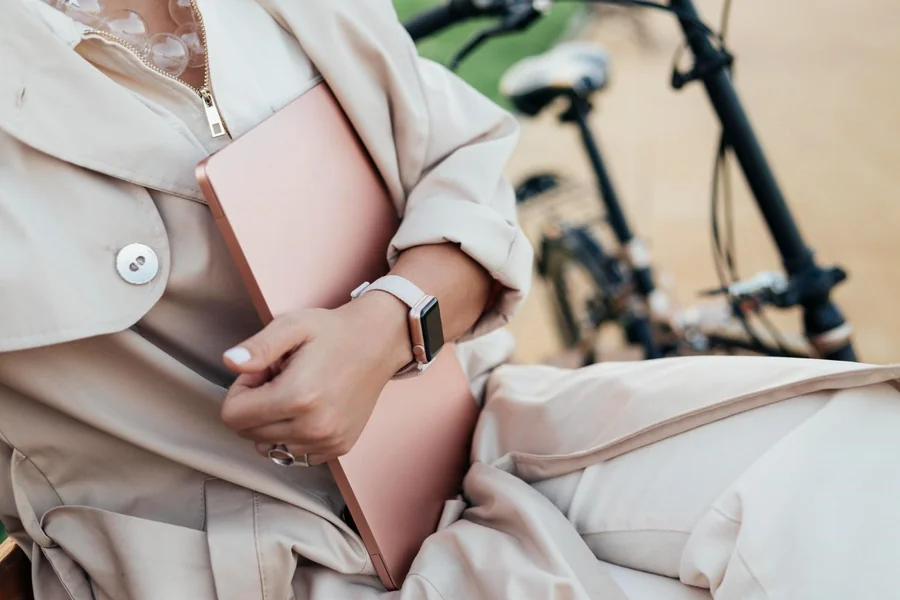
Perhaps the most significant shift in 2026 is psychological rather than visual. The rapid turnover of aesthetic trends, from cottagecore to coastal minimalism to quiet luxury, has fatigued consumers. What once felt playful now feels performative.
Accessories are becoming anchors of personal identity rather than reflections of digital cycles. A well-constructed leather bag carried daily signals consistency. A pair of heirloom earrings worn repeatedly reflects emotional durability. Investment pieces are replacing impulse purchases.
This recalibration aligns with broader industry observations. In its recent market analyses, Business of Fashion has noted a growing consumer pivot toward longevity and reduced trend churn, particularly in the accessories category, where repeat wear and resale value increasingly influence purchasing decisions. The data suggests that buyers are prioritizing pieces that retain relevance beyond a single season.
This mindset benefits brands that build around enduring design philosophies rather than viral moments. The renewed appreciation for handcrafted full-grain leather, structured silhouettes, and timeless construction reflects a broader desire for stability in an overstimulated culture, a move away from aesthetic experimentation toward personal coherence.
In 2026, style is less about signaling fluency in the algorithm and more about signaling clarity in self-definition.
What 2026 Ultimately Signals
If there is one defining theme in accessory trends for 2026, it is discernment.
Consumers are buying fewer pieces, but better ones. They are examining stitching, weight, and material origin. They are favoring silhouettes that will look relevant five years from now, not five weeks. The accessory landscape is quieter, but it is also more confident.
Fashion, at its best, is cyclical. Yet within those cycles, certain values resurface with greater clarity. Craftsmanship. Longevity. Subtlety. Emotional connection.
In 2026, accessories are not shouting for attention. They are earning it. And in a world saturated with fleeting trends, that kind of staying power feels not just stylish, but essential.