
When Should You Add a Treatment Serum to Your Skincare Routine?
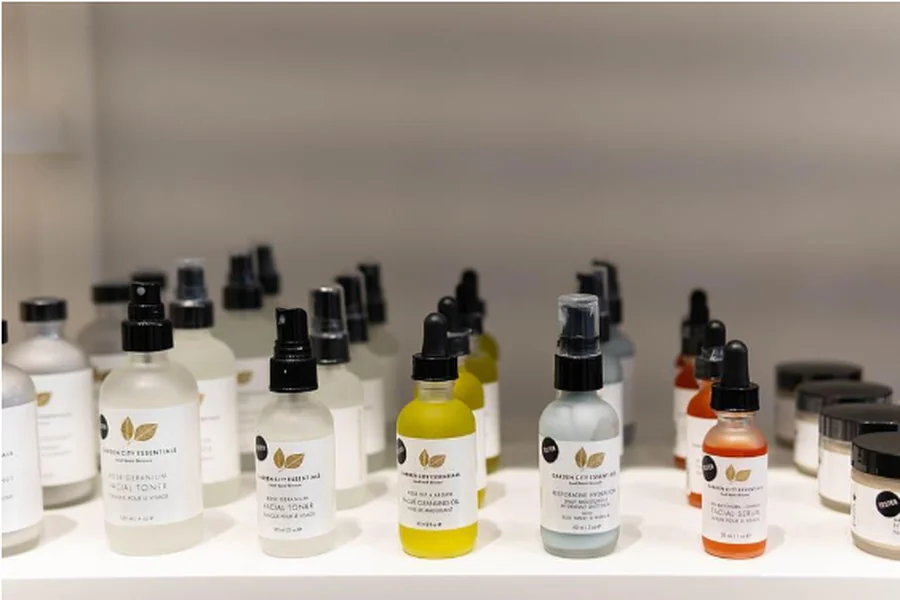
Introduction
Modern skincare routines often start with the basics: cleansing, toning, and moisturizing. These steps lay the foundation for maintaining hydration, comfort, and barrier support. However, as individuals aim for more specific skin goals, such as improving firmness, reducing fine lines, or addressing uneven texture, the addition of a targeted treatment step can provide meaningful benefits. Treatment serums have emerged as a central component in structured skincare routines, offering focused support that complements foundational care.
Understanding when to introduce a treatment serum helps ensure that each product in the routine contributes purposefully. Integrating serums at the right point maximizes absorption and efficacy while maintaining a balanced approach that avoids overloading or irritating the skin. By aligning serum use with clearly defined goals, consumers can develop a more intentional and effective daily regimen.
Why Treatment Serums Are Different
Unlike general moisturizers, treatment serums are formulated to target specific concerns rather than primarily providing surface hydration. They typically feature higher concentrations of active ingredients, such as peptides, antioxidants, or botanical extracts, designed to address resilience, firmness, or texture improvements. Serums are lightweight and fast-absorbing, allowing active compounds to penetrate deeply and deliver visible benefits over time.
Precision and Targeted Action
Because serums are concentrated, they provide precision in treating particular skin challenges. For example, firmness-focused serums can support structural proteins in the skin, while hydrating serums enhance water retention in deeper layers. Their targeted nature distinguishes them from moisturizers, which primarily help maintain barrier function and surface hydration. This distinction highlights why serums are often added as a separate step rather than replacing essential moisturizing products.
Which Treatment Serum Category Supports Long-Term Skin Goals?
Many skincare routines begin with cleansing and moisturizing because those steps provide the foundation for daily skin maintenance. As skincare goals become more specific, however, consumers often look for products that offer more targeted support. Concerns related to skin resilience, visible texture changes, and long-term appearance maintenance frequently encourage the addition of a treatment step designed to complement the rest of the routine. This progression explains why treatment serums have become an increasingly important part of modern skincare strategies.
For individuals exploring treatment-focused options, Bonjil peptide serum represents a category centered on targeted skincare support. Peptide serums are commonly incorporated into routines that prioritize structured maintenance and long-term skincare objectives. Their role is to function as a dedicated treatment step positioned between cleansing and moisturizing, helping consumers create a more intentional approach to routine design. This makes peptide-based formulations particularly relevant for users seeking products aligned with ongoing skin-support goals rather than basic care alone.
A well-organized skincare routine benefits from products that serve distinct purposes within the overall regimen. Treatment serums help establish that structure by providing a focused step that complements foundational skincare habits. As consumers become more strategic about product selection, understanding when and why to introduce a treatment serum becomes increasingly important. A targeted approach to routine building supports greater consistency and helps create a framework for pursuing long-term skincare priorities in a practical and sustainable way.
Integrating Treatment Serums Into Daily Care
To maximize the benefits of a treatment serum, it is generally applied after cleansing and toning but before a moisturizer or sunscreen. This placement ensures that active ingredients penetrate effectively without being obstructed by heavier products. Daily consistency is key; sporadic use can limit visible results, whereas regular application enhances cumulative effects over time.
Introducing a serum into an existing routine should be gradual, particularly for those with sensitive skin. Observing how the skin responds before layering additional active ingredients helps reduce the risk of irritation. Resources such as guides on natural skin routines can provide practical examples for building a thoughtful, layered skincare regimen that combines serums with complementary products.
Balancing Treatment Serums With Other Steps
Treatment serums should enhance, not replace, foundational skincare steps. Moisturizers remain critical for supporting the skin barrier and maintaining hydration, while serums address more specific, visible concerns. Strategically pairing serums with complementary products ensures that each step in the routine contributes to overall skin health, texture, and appearance.
Supporting Long-Term Skin Goals
The addition of treatment serums is most effective when viewed as part of a long-term strategy. Regular use supports cumulative benefits for firmness, resilience, and visible texture. Combining serums with protective measures, such as sunscreen and antioxidants, and maintaining hydration through moisturizers provides a holistic approach to skincare. This integrated approach helps ensure the skin remains balanced, healthy, and resilient over time.
For those interested in expert insights on long-term skincare planning, resources such as dermatologist-recommended anti-aging routines can offer guidance on how treatment-focused products fit into a comprehensive regimen.
Dedicated Brand Section
Bonjil peptide serum exemplifies a treatment-focused approach within modern skincare. Its formulation emphasizes targeted support for firmness, resilience, and healthy-aging objectives, making it ideal for routines that require a dedicated step between cleansing and moisturizing. The serum is suitable for individuals seeking a structured and goal-oriented regimen that supports long-term skin priorities.
Incorporating Bonjil peptide serum into a daily routine ensures that active ingredients are consistently delivered to the skin while complementing the overall maintenance framework. This structured approach helps maintain visible firmness, supports resilience, and contributes to smoother, more balanced skin over time, making treatment serums an essential addition for intentional skincare practices.
Conclusion
Treatment serums play a crucial role in modern skincare by providing targeted support that extends beyond basic moisturization. By addressing specific concerns such as firmness, resilience, and texture, serums allow consumers to design more intentional and strategic routines. Consistent, thoughtful application ensures that the skin receives concentrated benefits that enhance overall appearance and maintain long-term health.
When used correctly, serums like Bonjil peptide serum integrate seamlessly into established routines, offering visible improvements in firmness and skin resilience. By combining treatment-focused steps with foundational hydration, barrier support, and protective measures, individuals can develop a comprehensive approach to skincare that supports long-term goals while maintaining skin comfort and balance. For those interested in exploring additional wellness and lifestyle insights, resources such as marathimoral.com can provide valuable information and guidance on a variety of topics.