
Key Steps Involved in New Roof Installation in Oceanside
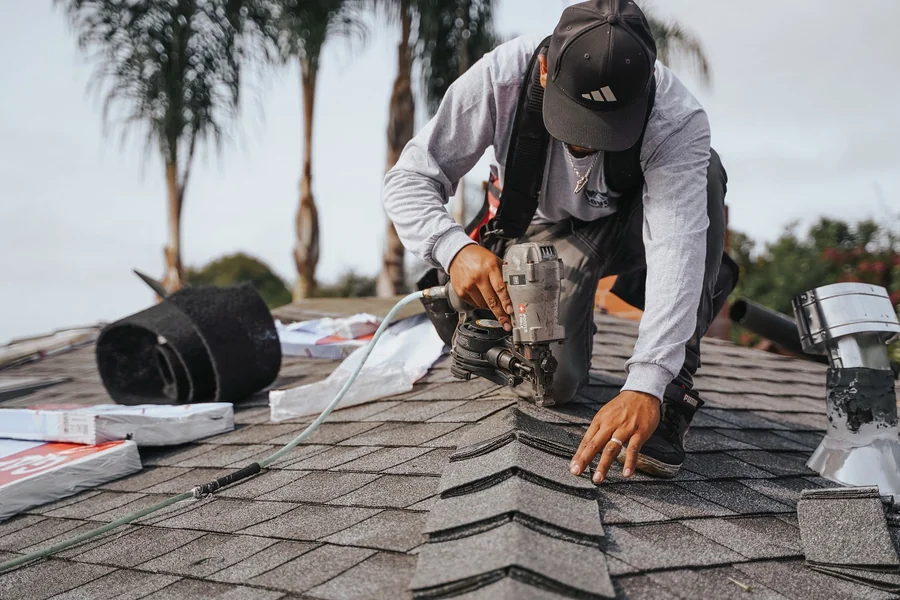
A new roof installation is a structured process done by roofing professionals in Oceanside that focuses on building a strong, weather-resistant system from the base up. Each step is designed to ensure proper support, accurate placement of materials, and long-term durability. Clear sequencing prevents installation issues and helps maintain consistent performance over time.
A properly managed new roof installation in Oceanside begins with careful evaluation and moves through defined stages that prepare, install, and secure the roofing system. Every phase addresses a specific requirement, from structural readiness to final sealing. This organized approach ensures that the finished roof performs as intended under local conditions.
Initial Inspection And Preparation
The process starts with a full inspection of the existing structure. For additional insights on this topic, check out meansbase for expert advice. Contractors in Oceanside examine the roof deck, framing, and ventilation to confirm that the base can support new materials. Measurements are taken to plan material quantities and layout. Permits and compliance checks are completed before work begins. The site is then prepared by removing obstacles and protecting nearby areas. Safety equipment is set up to ensure controlled working conditions.
Material Selection And Scheduling
Roofing materials are selected based on structural requirements and climate conditions. Common options include shingles, metal panels, and tile systems. Each material requires specific installation methods. Delivery is scheduled to match the project timeline. Materials are checked on arrival to confirm quality and prevent delays during installation.
Removal And Surface Preparation
The existing roof is removed to expose the deck. This step allows a closer inspection of the underlying structure. Any damaged or weakened sections are repaired to create a stable surface. Preparing the deck ensures proper attachment of new materials. A clean and even base supports accurate installation and reduces future issues.
Core Installation Steps
- Underlayment Installation: A moisture-resistant layer is applied to protect the structure from water intrusion.
- Flashing Placement: Metal flashing is installed around edges, joints, and openings to seal vulnerable areas.
- Roof Covering Installation: Shingles or panels are placed in a uniform pattern to ensure full coverage and secure fastening.
- Ventilation Integration: Vent systems are installed to maintain airflow and prevent moisture buildup inside the structure.
Each step requires precise alignment and fastening to maintain system integrity. A carefully executed new roof installation in Oceanside ensures that all components function together without gaps or weak points.
Final Inspection And Site Cleanup
After installation, a detailed inspection checks the alignment, sealing, and fastening of all components. Any inconsistencies are corrected before the project is completed. The site is cleaned by removing debris, leftover materials, and protective coverings. Surrounding areas are restored to their original condition.
Post-Installation Checks
- Routine Inspections: Periodic checks help maintain performance and identify early signs of wear.
- Maintenance Planning: Scheduled maintenance supports durability and prevents avoidable damage.
- Documentation Review: Warranty and installation records are verified for future reference.
How To Choose Licensed Roofing Contractors in Oceanside For New Installation
Licensed roofing contractors follow local building codes and use approved installation methods. Proper licensing confirms training, insurance coverage, and accountability during each phase of the project. Working with qualified professionals reduces the risk of structural errors and ensures correct material handling. Experienced contractors also identify hidden deck issues early, which supports long-term roof performance.
A new roof installation depends on a clear, step-by-step process that ensures proper structure, secure material placement, and effective sealing. Each stage, from preparation to final inspection, plays a direct role in the roof’s durability and performance. When every step is completed with accuracy and attention to detail, the result is a stable roofing system that provides consistent protection and long-term reliability.