
Are Clear Aligners Right for You? A Guide to Benefits for Adults
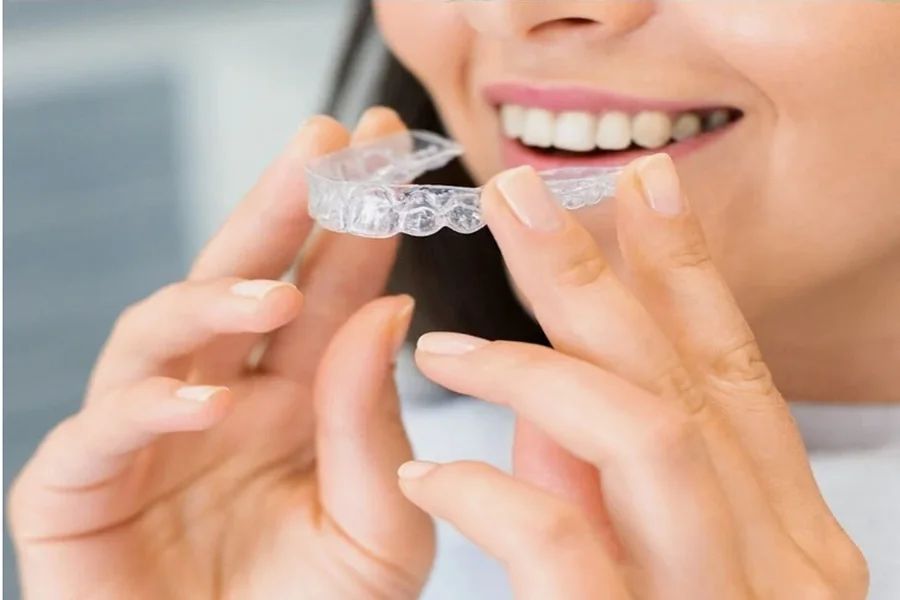
The American Dental Association reports that nearly 4 million Americans wear braces at any given time — with adults now representing 25% of all orthodontic patients, a figure that’s doubled in the past two decades. As workplace culture shifts toward video calls and professional image concerns intensify, the demand for discreet orthodontic solutions has fundamentally reshaped how adults approach teeth straightening. What was once considered purely cosmetic is now recognized as essential preventive care, with misaligned teeth contributing to everything from jaw pain to increased cavity risk.
For adults juggling careers, social obligations, and the practical realities of daily life, traditional metal braces often feel like an impossible commitment. Clear aligners have emerged as the preferred alternative, offering a path to straighter teeth without the lifestyle disruptions that come with visible hardware. But beyond the obvious aesthetic advantages, these transparent trays deliver benefits that extend far deeper than appearance — from improved oral health to reduced orthodontic emergencies that can derail professional schedules.
Understanding how clear aligners work, their distinct advantages over traditional braces, and their long-term impact on oral health can help you determine whether this increasingly popular treatment aligns with your goals and circumstances.
How Do Clear Aligners Straighten Adult Teeth?
Clear aligner therapy relies on controlled biomechanical forces applied through custom-fabricated thermoplastic trays that gradually shift teeth into desired positions. Unlike the constant pressure exerted by metal braces, aligners use intermittent force application — teeth move approximately 0.25 millimeters per aligner, with each tray worn for about two weeks before progressing to the next stage.
The process begins with digital impressions or physical molds that create a precise 3D model of your current bite. Orthodontists then map the entire treatment journey using specialized software, calculating the exact force vectors needed to move each tooth along its optimal path. This digital treatment planning allows providers to predict and address potential complications before they occur, something that’s particularly valuable for adult patients whose teeth have settled into established positions over decades.
Adult bone density presents unique challenges that clear aligners address through their design. The thermoplastic material — typically a medical-grade polyurethane — maintains consistent pressure while allowing for the slight flexibility needed as periodontal ligaments adapt to new positions. Each aligner incorporates strategically placed attachments, small tooth-colored bumps that provide anchor points for more complex movements like rotation or root positioning.
The science behind tooth movement in adults involves cellular remodeling within the periodontal ligament, where osteoblasts build new bone on one side while osteoclasts break down bone on the pressure side. Clear aligners optimize this process through their removable design, allowing for improved blood flow during eating and cleaning periods that can actually accelerate healing compared to fixed appliances. This biological advantage becomes more pronounced in adult patients, where circulation and cellular regeneration naturally slow with age.
What Are the Advantages of Clear Aligners Over Traditional Braces for Adults?
The removability factor transforms the entire orthodontic experience for working professionals. Unlike traditional braces that trap food particles and require specialized cleaning tools, clear aligners come out for meals and oral hygiene routines. This means no more avoiding certain foods or struggling to clean around metal brackets during lunch meetings — you simply remove the trays, eat normally, brush your teeth, and replace them.
Speech clarity represents another crucial advantage for adults whose careers depend on clear communication. While traditional braces can cause lisping or whistling sounds that persist throughout treatment, clear aligners typically cause only minor speech adjustments during the first few days of each new tray. The smooth plastic surface doesn’t interfere with tongue placement like metal brackets and wires do, making them particularly valuable for professionals in public-speaking roles, sales positions, or client-facing careers.
Comfort levels differ dramatically between the two systems. Traditional braces create pressure points where brackets and wires contact soft tissues, often leading to cuts, sores, and the need for protective wax. Clear aligners distribute pressure evenly across teeth through their full-coverage design, eliminating the sharp edges that cause tissue trauma. When discomfort does occur, it’s typically a dull pressure sensation that indicates teeth are moving — not the sharp pain associated with broken wires or loose brackets.
Emergency appointments virtually disappear with clear aligners. Traditional braces generate urgent situations when brackets break, wires snap, or components shift — problems that often strike at inconvenient moments and require immediate professional attention. Clear aligners eliminate these mechanical failures entirely. If a tray cracks or is lost, patients can typically continue with the previous tray until a replacement arrives, maintaining treatment momentum without disrupting work schedules or personal commitments.
The aesthetic advantage extends beyond simple invisibility. Clear aligners allow adults to maintain their professional image throughout treatment, attending important meetings, social events, and photo opportunities without self-consciousness about their appearance. For adults who spent their teenage years avoiding braces, this discretion often represents the deciding factor that finally makes orthodontic treatment possible.
How Do Clear Aligners Improve Oral Health for Adults?
Beyond straightening teeth, clear aligners deliver significant oral health benefits that become increasingly important as adults age. Properly aligned teeth create more effective cleaning surfaces, reducing the bacterial harboring areas where plaque accumulates and cavities form. Overlapping or crowded teeth create tight spaces where toothbrush bristles can’t reach and dental floss can’t properly clean — problems that compound over decades.
Gum disease prevention represents one of the most valuable long-term benefits. Misaligned teeth often cause uneven pressure distribution during chewing, leading to gum recession in some areas and inflammation in others. When you can get Invisalign in Chicago or other major cities, orthodontists frequently observe improvements in gum health even during active treatment, as patients develop better oral hygiene habits necessitated by the aligner removal routine.
The removable design creates a unique advantage for maintaining oral hygiene during orthodontic treatment. Traditional braces make thorough cleaning extremely difficult, often leading to white spot lesions, cavities, and gum inflammation that develop during the treatment period itself. Clear aligner patients can brush and floss normally, using their regular oral care products without modification. This accessibility means better bacterial control throughout the treatment process, not just after it’s completed.
Bite alignment improvements reduce jaw joint stress and associated complications. Misaligned bites force jaw muscles to work harder during chewing and speaking, contributing to temporomandibular joint disorders, headaches, and excessive tooth wear. Clear aligners address these functional issues alongside cosmetic concerns, often relieving chronic pain that patients didn’t realize was connected to their bite problems.
Sleep quality can improve as aligned teeth and proper jaw positioning reduce airway restrictions that contribute to snoring and sleep disruption. While clear aligners aren’t a treatment for sleep apnea, the improved oral posture they create often helps adults breathe more easily during rest, contributing to better overall health outcomes.
Who Is a Good Candidate for Clear Aligners as an Adult?
Clear aligners effectively treat a wide range of orthodontic conditions in adult patients, from simple spacing issues to complex bite corrections. Mild to moderate crowding, gaps between teeth, overbites, underbites, and crossbites typically respond well to aligner therapy. However, severe skeletal discrepancies or cases requiring significant root movement may still necessitate traditional braces or surgical intervention.
Age itself rarely disqualifies adult candidates, but certain factors become more relevant as patients get older. Healthy gums and adequate bone support are essential, as periodontal disease can compromise tooth movement and treatment stability. Adults with extensive dental work — including multiple crowns, bridges, or implants — require careful evaluation, as these restorations can limit tooth mobility or create attachment challenges.
Compliance requirements are more stringent with clear aligners than traditional braces. Success depends on wearing trays for 20-22 hours daily, removing them only for eating and oral hygiene. Adults who travel frequently, have irregular schedules, or struggle with routine adherence may find traditional braces more predictable, since they work continuously regardless of patient cooperation.
Certain bite problems present greater challenges for clear aligner treatment. Severe rotations, significant vertical movements, or cases requiring tooth extraction often achieve better results with traditional braces that can apply more complex force vectors. However, advances in aligner technology continue expanding the range of treatable conditions, with many orthodontists now using hybrid approaches that combine aligners with limited traditional hardware for optimal results.
Lifestyle factors play a crucial role in candidacy assessment. Adults who grind their teeth may wear through aligner material more quickly, potentially extending treatment duration or requiring more frequent tray replacements. Those with certain medical conditions or medications that affect bone density may experience slower tooth movement, requiring treatment timeline adjustments.
Professional and social considerations often make clear aligners the preferred choice for adult patients, even in borderline cases. The confidence boost from maintaining normal appearance during treatment can justify slightly longer treatment times or additional complexity in many situations.
What Are the Long-Term Benefits and Maintenance Requirements of Clear Aligners for Adults?
Treatment duration for adults typically ranges from 12 to 24 months, depending on case complexity and compliance levels. Unlike teenagers whose jaws are still growing, adult treatment relies entirely on tooth movement through established bone, which proceeds at a steady but predictable pace. This timeline often appeals to adults who prefer knowing exactly what to expect rather than dealing with the variables that affect adolescent orthodontic treatment.
Retention strategies become particularly crucial for adult patients, whose teeth have greater tendency to shift back toward original positions. Most orthodontists recommend wearing clear retainers nightly for several years, then transitioning to several nights per week for long-term maintenance. Some adults choose to continue nightly retainer wear indefinitely, viewing it as preventive care similar to using a night guard for teeth grinding protection.
Aligner care during active treatment involves simple daily routines that most adults easily incorporate into existing habits. Trays require rinsing with cool water and gentle brushing with a soft toothbrush to remove plaque and prevent odor development. Specialized cleaning crystals or tablets can provide deeper cleaning weekly, though regular soap and water usually suffice for daily maintenance.
The investment in clear aligner treatment often pays dividends beyond the obvious aesthetic improvements. Adults frequently report increased confidence in professional settings, greater willingness to smile in social situations, and reduced anxiety about dental visits due to improved oral health. These psychological benefits can impact career advancement and relationship satisfaction in ways that extend far beyond the treatment period itself.
Long-term oral health improvements include reduced cavity risk, better gum health, and decreased likelihood of needing complex dental work later in life. Properly aligned teeth distribute chewing forces evenly, reducing excessive wear that can lead to cracked teeth, failed restorations, or the need for root canal treatment. For adults planning decades of future dental care, this preventive aspect often represents the treatment’s greatest value.
The key to maximizing these long-term benefits lies in viewing clear aligner treatment as the beginning of a lifelong commitment to oral health, not just a cosmetic fix. Adults who embrace the oral hygiene habits developed during treatment and maintain their retention schedules typically enjoy stable results and improved dental health well into their later years.