
Driving Towards a Sustainable Future with Electric Vans

Driving Towards a Sustainable Future
The electric van is rapidly emerging as a key player in the push for greener transport solutions, significantly contributing to the reduction of carbon emissions from road vehicles. As cities worldwide grapple with increasing congestion and air pollution, these vehicles offer a tangible glimpse into a more sustainable future. Electric vans are not only less harmful to the environment, but they also offer considerable long-term savings on fuel and maintenance costs. This combination makes them appealing to both businesses with large delivery fleets and environmentally conscious individuals.
Beyond cost savings, the adoption of electric vans reflects a growing societal awareness of climate change and urban sustainability. Cities are actively encouraging cleaner transport alternatives through stricter emission regulations, tax incentives, and urban planning policies that favour low-emission vehicles. The electric van, therefore, represents more than a mode of transport; it is a step toward a future where mobility is aligned with environmental responsibility and urban liveability.
The Rise of Electric Vans in Urban Deliveries
Urban areas are witnessing an unprecedented surge in demand for delivery services, largely driven by the continuous growth of e-commerce and changing consumer habits. Traditional diesel vans, once the backbone of city logistics, are now being scrutinised for their environmental impact. Delays, congestion, and restrictions in ultra-low emission zones (ULEZ) have further incentivised businesses to seek cleaner alternatives. Electric vans, with their zero tailpipe emissions, provide a perfect solution for navigating these regulatory landscapes while maintaining operational efficiency.
The trend is particularly notable in major metropolitan areas, where last-mile deliveries contribute heavily to air pollution. For businesses, transitioning to electric vans not only ensures compliance with environmental regulations but also enhances brand reputation, signalling a commitment to sustainability to customers and stakeholders. As more companies integrate electric vans into their fleets, the industry as a whole is taking meaningful steps toward reducing urban pollution and improving public health.
Technological Advances Driving Electric Van Adoption
Technological advancements in electric powertrains have dramatically improved the performance and reliability of electric vans. Modern models benefit from advanced lithium-ion batteries that offer longer ranges on a single charge, making them suitable for both city and regional delivery routes. Regenerative braking systems capture energy typically lost during braking and repurpose it to extend vehicle range, further enhancing efficiency. These innovations are crucial in building confidence among businesses considering the switch from diesel-powered fleets.
Charging Infrastructure
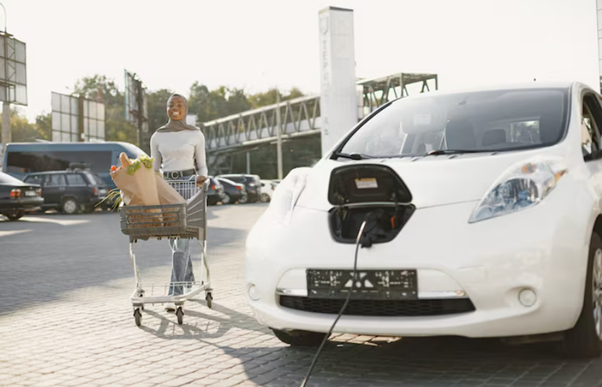
The availability and accessibility of charging infrastructure are vital for the widespread adoption of electric vans. Governments and private enterprises are heavily investing in expanding electric vehicle (EV) charging networks. Rapid chargers are being installed at service stations, city car parks, and retail centres to provide convenient access for fleet operators and individual users alike. This growing infrastructure helps alleviate range anxiety, a common concern among potential electric vehicle adopters, by ensuring that charging points are available where they are most needed.
Smart Fleet Management
The integration of smart technology in fleet management is another key factor accelerating electric van adoption. Modern fleet management systems allow operators to monitor vehicle performance and energy consumption in real time. This enables businesses to optimise routing, scheduling, and energy use, ultimately reducing costs while enhancing delivery reliability. With connected data insights, companies can make informed decisions that improve operational efficiency, reduce downtime, and increase customer satisfaction.
Operational Cost Savings
One of the most compelling reasons for switching to electric vans is the potential for significant cost savings. Electricity is generally cheaper than diesel, especially when sourced from renewable energy providers. Additionally, electric motors have fewer moving parts than traditional internal combustion engines, which leads to reduced maintenance and repair expenses. Over time, these savings can offset the higher upfront cost of purchasing an electric van, making it a financially sound investment for businesses and individuals alike.
Government Incentives and Support
Governments across the UK and Europe are offering various incentives to promote the transition to electric vehicles. These include grants for purchasing electric vans, exemptions from road taxes, reduced toll fees, and access to preferential parking spaces. Complimentary charging and subsidies for installing home or depot charging infrastructure further sweeten the deal. Such support not only lowers the financial barrier to entry but also accelerates the adoption of cleaner transport solutions across industries.
Long-Term Resale Value
As the electric vehicle market continues to mature, the resale value of electric vans is expected to improve. Increasing demand, driven by tighter emissions standards and a societal shift toward sustainability, will likely enhance resale conditions. For businesses planning long-term fleet strategies, this factor adds a layer of financial justification for investing in electric vans today.
Challenges and Considerations
Despite the many advantages, potential users must consider several challenges when transitioning to electric vans.
Initial Acquisition Costs
Although prices are gradually declining, electric vans still typically have higher upfront costs compared to diesel models. This can pose a barrier for smaller companies with limited budgets. However, when evaluating the total cost of ownership, including fuel savings, maintenance, and government incentives, the financial equation often becomes favourable over time.
Range Limitations
Current battery technology, while improving, may not fully meet the needs of all users. Companies with extensive logistical operations need to plan routes carefully to avoid disruptions due to range limitations. For many urban deliveries, the existing range is sufficient, but longer regional or intercity routes may require additional planning or access to fast-charging stations.
Charging Time
Recharging an electric van takes longer than refuelling a diesel vehicle, even with rapid chargers. A substantial recharge can take upwards of an hour, which requires careful operational planning. Businesses must integrate charging schedules into their daily logistics to maintain efficiency without compromising service levels.
Battery Technology Breakthroughs
Ongoing research in battery technology promises to transform electric van capabilities. Innovations such as solid-state batteries offer higher energy density, faster charging times, and enhanced safety. These breakthroughs could address current limitations, extend vehicle ranges, and reduce downtime, making electric vans an even more practical choice for businesses and individuals alike.
Conclusion
The rise of electric vans represents a pivotal shift in the transport sector toward sustainability, efficiency, and environmental responsibility. While challenges such as acquisition costs, range limitations, and charging times remain, ongoing technological advancements and economic incentives are rapidly making electric vans a practical and appealing choice.
As industries increasingly prioritise carbon reduction and operational efficiency, electric vans are more than just vehicles—they are a cornerstone of a cleaner, smarter, and more sustainable future. The widespread adoption of these vehicles signals a profound transformation in how we think about urban logistics, environmental impact, and the future of mobility itself. By embracing electric vans, businesses and individuals alike are driving toward a world where transportation is aligned with the principles of sustainability and long-term economic benefit.