
Fashion Trends for 2026: Where Style Is Headed Next
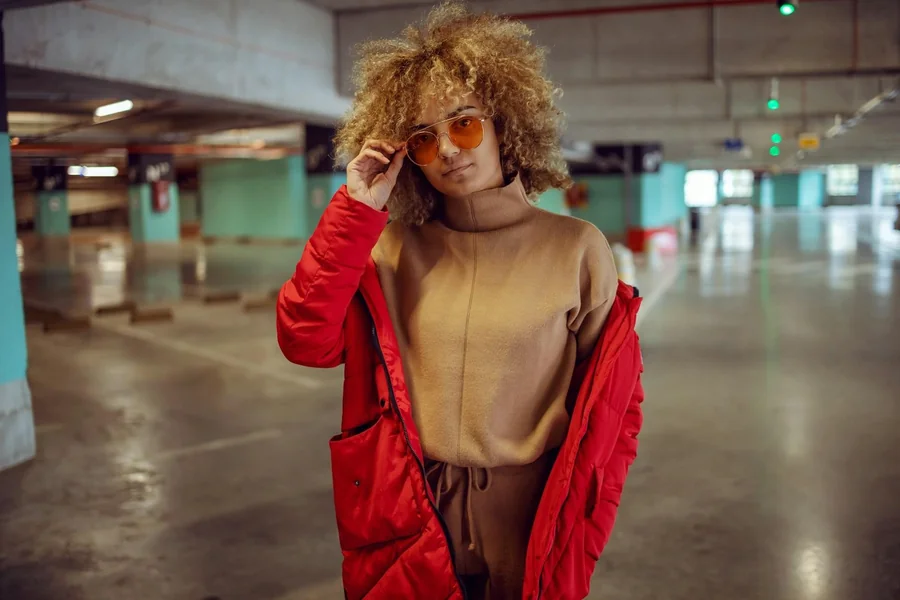
Fashion is entering a more thoughtful era. After years defined by fast cycles, viral aesthetics, and trend overload, 2026 is shaping up to be a year of refinement rather than reinvention. Designers, brands, and consumers alike are gravitating toward clothing that balances creativity with longevity, individuality with wearability.
Emerging labels are playing a key role in this shift. Alongside established fashion houses, independent brands such as Bronze Snake are gaining attention for designs that sit comfortably between trend awareness and personal style. Rather than chasing every aesthetic moment, the brands resonating most are those offering pieces that feel current without being disposable.
So what will define fashion in 2026? The answer lies in evolution, not extremes.
Quiet Expression Over Loud Statements
One of the most noticeable changes heading into 2026 is the move away from overtly loud fashion. Logos are becoming subtler, silhouettes more considered, and styling more intentional. This doesn’t mean fashion is becoming boring, it’s becoming more expressive in quieter ways.
Textures, tailoring, and proportion are doing more of the work. A well-cut jacket, an unexpected fabric finish, or a refined colour palette now communicates more than oversized branding ever could. Consumers are looking for clothing that feels elevated but adaptable, suitable for different settings without losing personality.
This shift reflects a broader desire for authenticity. People want their clothes to support who they are, not perform for an algorithm.
Elevated Casualwear Continues to Dominate
Casualwear isn’t going anywhere, but it’s evolving. In 2026, relaxed silhouettes remain central, but they’re paired with better construction and higher-quality materials. Everyday pieces now feel deliberate rather than improvised.
Tailored trousers replace sweatpants, structured knitwear replaces hoodies, and refined outerwear anchors casual looks. The line between casual and polished continues to blur, giving wearers more flexibility in how they dress day to day.
This evolution explains why brands that understand balance, rather than extremes, are gaining traction. Pieces that can be styled up or down are becoming wardrobe staples rather than seasonal purchases.
Sustainability as Standard, Not a Selling Point
By 2026, sustainability is no longer a differentiator, it’s an expectation. Consumers are increasingly informed about materials, production practices, and brand transparency. While sustainability once dominated marketing campaigns, it’s now quietly embedded into brand identities.
Shoppers are paying closer attention to how often they wear an item, how long it lasts, and whether it remains relevant beyond one season. This shift favours brands that design with longevity in mind rather than rapid trend turnover.
According to insights from Vogue Business, the industry is moving toward “fewer, better” purchases, with consumers prioritising durability, versatility, and timeless appeal over constant novelty. This mindset is shaping collections across price points and styles.
Individual Styling Over Prescriptive Trends
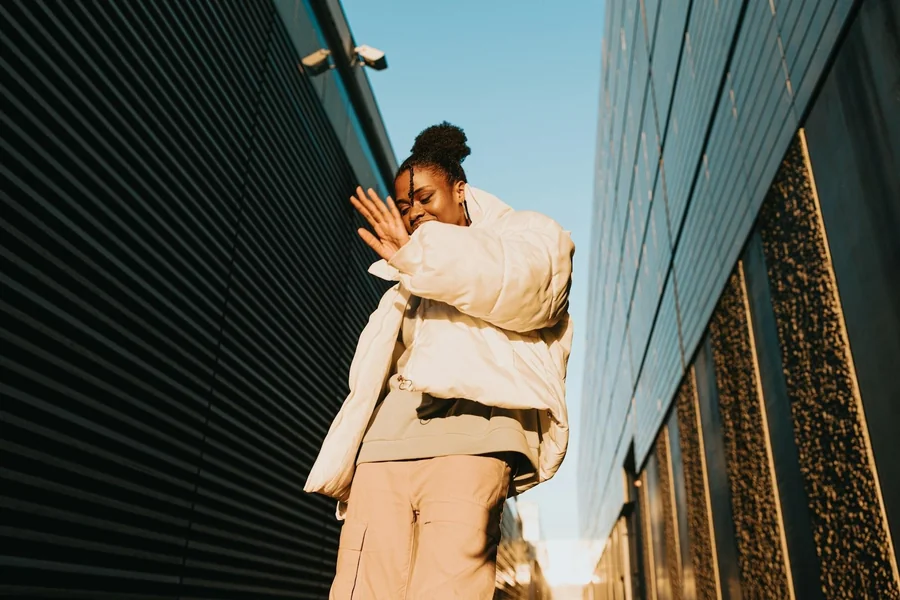
Another defining feature of 2026 fashion is the decline of rigid trend rules. Instead of being told what to wear, consumers are increasingly curating their own looks by mixing influences, eras, and price points.
Vintage pieces sit alongside contemporary designs. High and low fashion coexist without hierarchy. Style becomes less about fitting into a category and more about expressing identity.
Brands that succeed in this environment offer flexibility. Their pieces don’t dictate how they must be worn; they invite experimentation.
Gender-Fluid Design Gains Mainstream Acceptance
Gender-fluid fashion continues its steady progression into the mainstream. In 2026, this isn’t treated as a statement, it’s simply part of the design landscape. Silhouettes are looser, sizing more inclusive, and styling less constrained by traditional gender expectations.
Rather than designing separate collections, many brands are focusing on shapes and fabrics that work across identities. This approach resonates with a generation that values freedom and self-definition over labels.
Why Emerging Brands Matter More Than Ever
While global fashion houses still influence direction, much of fashion’s energy is coming from smaller, independent brands. These labels often move faster, listen more closely to their audiences, and take creative risks that larger companies can’t.
Brands like Bronze Snake reflect this moment. They operate in the space between trend awareness and personal expression, offering pieces that feel current without being tied to a single aesthetic or season. This adaptability is increasingly important as consumers look for clothing that evolves with them.
Keeping an eye on emerging brands isn’t just about spotting trends early, it’s about understanding where fashion culture is actually heading.
The Colour and Fabric Story of 2026
Colour palettes for 2026 lean toward grounded tones with selective experimentation. Earthy neutrals, washed blacks, deep blues, and muted greens form the foundation, while occasional pops of metallics or saturated hues add interest.
Fabric choices follow a similar philosophy. Natural fibres, textured weaves, and innovative blends dominate, offering both comfort and visual depth. The emphasis is on how a garment feels to wear, not just how it looks on screen.
Fashion That Fits Real Life
Perhaps the most important trend of 2026 is practicality. Clothes are expected to move with the wearer, adapt to different environments, and hold up over time. Fashion is becoming less performative and more integrated into daily life.
This doesn’t mean creativity is lost, it’s redirected. Designers are finding new ways to innovate within constraints, producing garments that are stylish, functional, and emotionally resonant.
Fashion in 2026 isn’t about chasing the next big thing. It’s about building wardrobes that feel intentional, expressive, and sustainable. As trends soften and individual style takes centre stage, the brands that stand out will be those offering versatility, quality, and authenticity.
For anyone watching the future of fashion closely, keeping an eye on emerging labels alongside established names provides the clearest picture of what’s next. The direction is clear: thoughtful design, personal expression, and clothes that are meant to last.