
How Hoodie Weight (GSM) Impacts Comfort and Durability
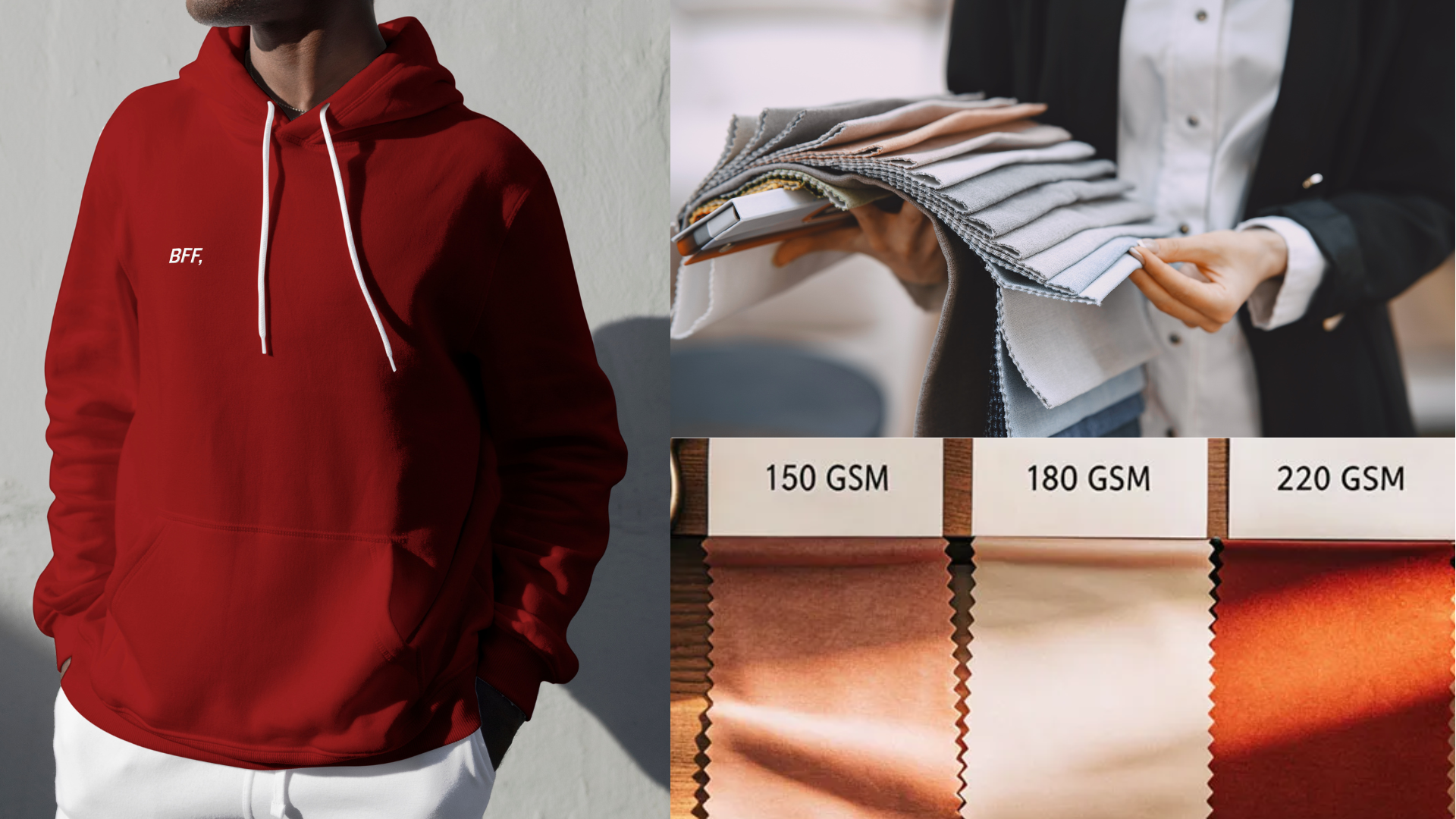
When it comes to hoodies, fabric weight – often measured in GSM – is one of the key factors that defines how the garment feels and performs. From lightweight, breathable styles to heavy, structured hoodies, GSM directly influences comfort, warmth, durability, and overall product quality.
Understanding GSM in Hoodie Fabrics
GSM (grams per square meter) is a standard measurement used to determine the weight and density of a fabric. It indicates how much a one-square-meter piece of fabric weighs, and is widely used in the textile and apparel industry as a key reference for fabric classification.
In the context of hoodies, GSM plays a crucial role in defining the overall characteristics of the garment. A higher GSM fabric typically means the material is thicker, heavier, and more compact. This results in a hoodie that feels more structured, provides better insulation, and generally offers greater durability. These types of fabrics are often used for premium or cold-weather hoodies, where warmth and longevity are important.
On the other hand, a lower GSM fabric is lighter, softer, and more breathable. Hoodies made from lower GSM fabrics tend to have a more relaxed drape, making them suitable for everyday wear, layering, or use in milder climates. While they may not offer the same level of warmth or durability as heavier fabrics, they provide superior comfort and flexibility.
Understanding GSM is essential for brands when developing hoodies, as it directly influences not only the wearer’s comfort and intended use, but also the garment’s fit, structure, and positioning in the market. Choosing the right GSM helps ensure that the final product aligns with both design expectations and functional requirements.
Lightweight, Heavyweight and Midweight Hoodies
When developing hoodies, fabric weight (GSM) is a key factor that defines how the garment looks, feels, and performs. Two of the most common categories are midweight and heavyweight hoodies, typically differentiated by their GSM ranges. In cut and sew manufacturing, understanding these weight differences is essential because fabric GSM directly influences garment construction, sewing requirements, and overall production efficiency.
Midweight hoodies usually fall in the range of 250-350 GSM. This range offers a balanced combination of softness, breathability, and moderate structure. Midweight fabrics are comfortable for everyday wear and are versatile across seasons, especially in spring and autumn or for layering. From a production standpoint, fabrics in this range are easier to handle, with good flexibility in sewing and lower risk of issues such as excessive bulk or seam stress.
Common fabrics: cotton fleece, cotton-polyester blends, brushed fleece, French terry (midweight).
Heavyweight hoodies are generally 350-500+ GSM. These fabrics are thicker, denser, and more structured, providing a more premium handfeel and better insulation. Heavyweight hoodies are often associated with higher-end streetwear or cold-weather garments, where warmth and durability are key. However, the increased thickness can make production more challenging, requiring more precise sewing techniques and careful handling to ensure consistent quality in bulk manufacturing.
Common fabrics: heavy cotton fleece, brushed heavy fleece, loopback heavyweight French terry, double-knit fabrics.
Lightweight hoodies typically fall in the range of 180-250 GSM. These fabrics are thin, soft, and highly breathable, making them ideal for warmer climates, sportswear, or layering pieces. Lightweight hoodies offer greater flexibility and comfort but provide less warmth and structure compared to heavier options. They are also easier to sew but may require careful fabric selection to avoid issues such as transparency or loss of shape over time.
Common fabrics: single jersey, lightweight French terry, cotton jersey blends, thin polyester blends.
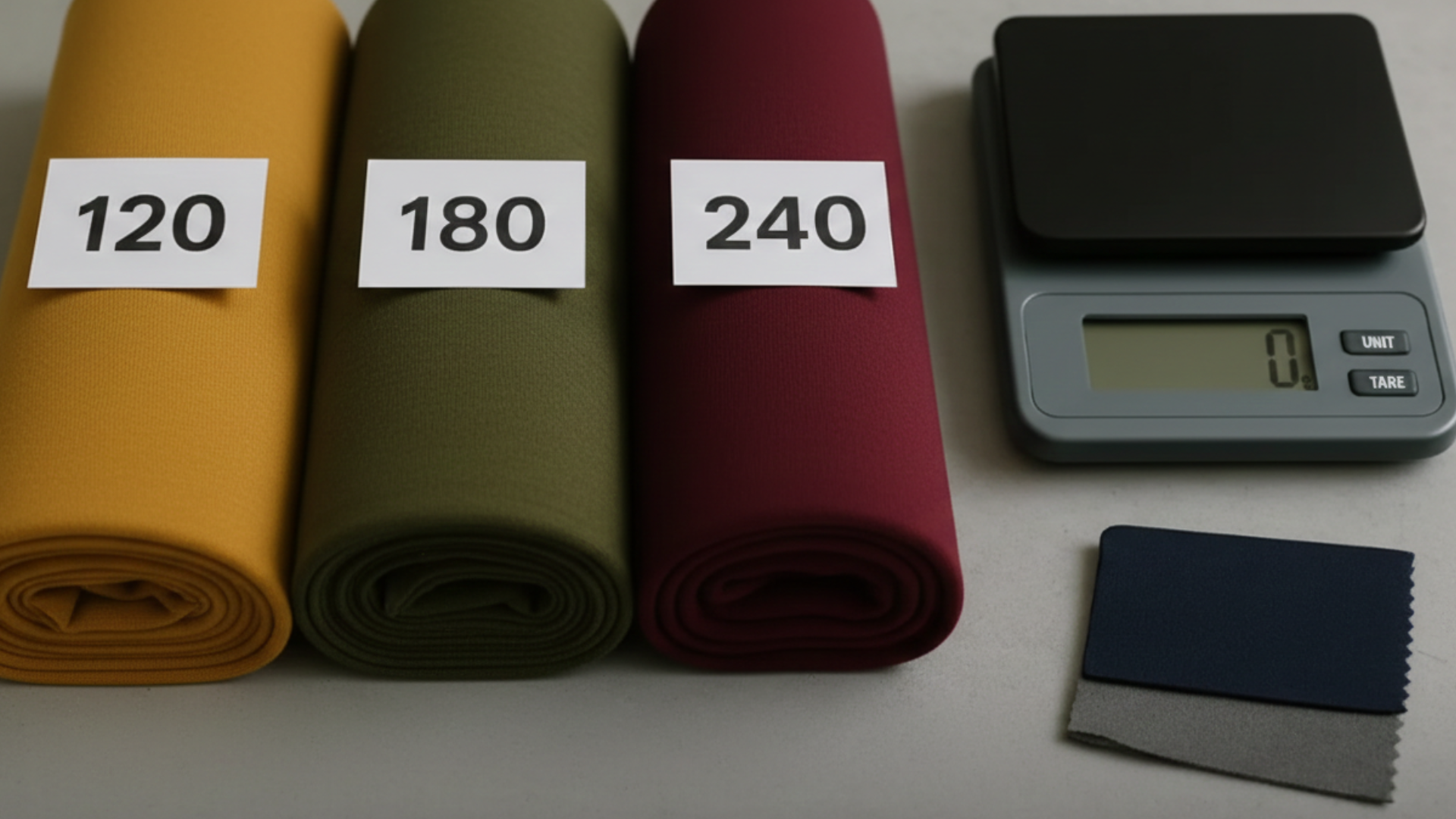
Deciding on GSM requires careful consideration of end use, climate, durability, and cost
Manufacturing Considerations for Different Hoodie Weights
For Lightweight Hoodies, the focus is on precision and drape. Because the fabric is thinner, it’s prone to puckering at the seams if the needle tension isn't perfect. These hoodies are great for layering, but they require reinforced stitching at stress points like the pocket corners and armpits to prevent tearing, as the fabric itself offers less structural integrity.
Moving into Mid-weight territory, you hit the "retail standard." This weight is versatile, but manufacturing becomes about consistency. The challenge here is the ribbing; if the ribbing on the cuffs and waistband isn't weighted correctly to match the body fabric, the hoodie will sag or look "cheap" after just a few washes. It’s the sweet spot for general comfort, but it demands high-quality thread to handle the moderate thickness.
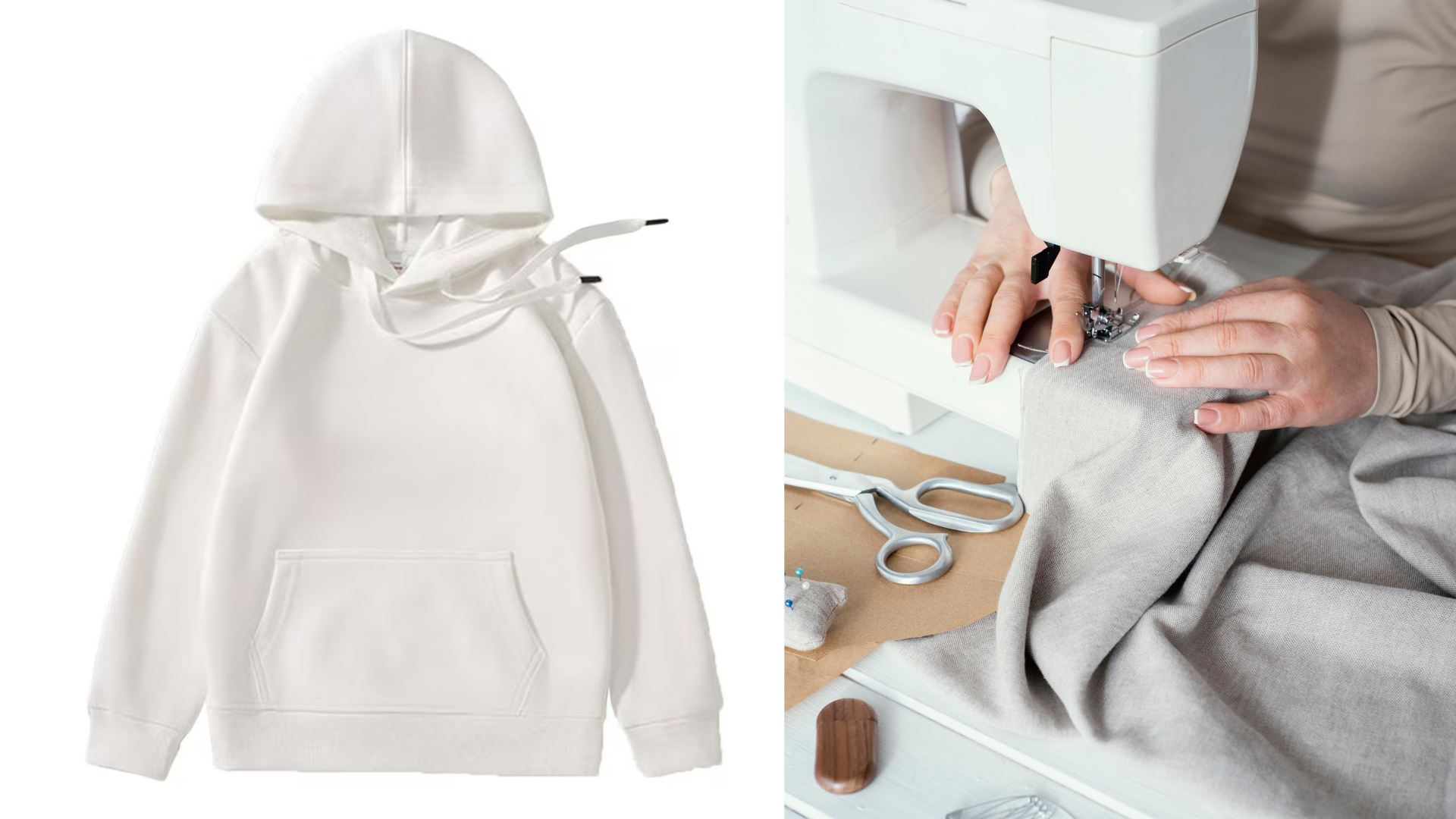
High-quality hoodies start with the right manufacturing partner
Once you reach Heavyweight Hoodies, you are dealing with "the beast" of streetwear. Manufacturing these requires heavy-duty industrial machinery. The fabric is so thick that standard needles can snap, and multi-layered areas – like where the hood meets the neckline – become extremely bulky. To keep the look premium and "boxy," a factory must use specialized techniques like flatlock stitching to reduce bulk at the seams while ensuring the garment remains incredibly durable. This level of technical expertise is one of the key factors that differentiates experienced hoodie manufacturers from factories with limited garment specialization.
Navigating these technicalities alone is a recipe for expensive mistakes. This is why partnering with an experienced clothing manufacturer who can provide expert consultancy is non-negotiable.
A manufacturer with deep expertise doesn't just "take orders", they look at your design and tell you if your chosen GSM will actually work for the fit you want. They can advise you on which needle gauges to use, how to adjust patterns for fabric shrinkage, and where to add reinforcements. Ultimately, an experienced partner saves you money by preventing production "bottlenecks" and ensures that the heavy-duty hoodie in your head feels just as premium when it lands in your customer's hands.