
How Regular Exercise Can Improve Your Overall Well-being
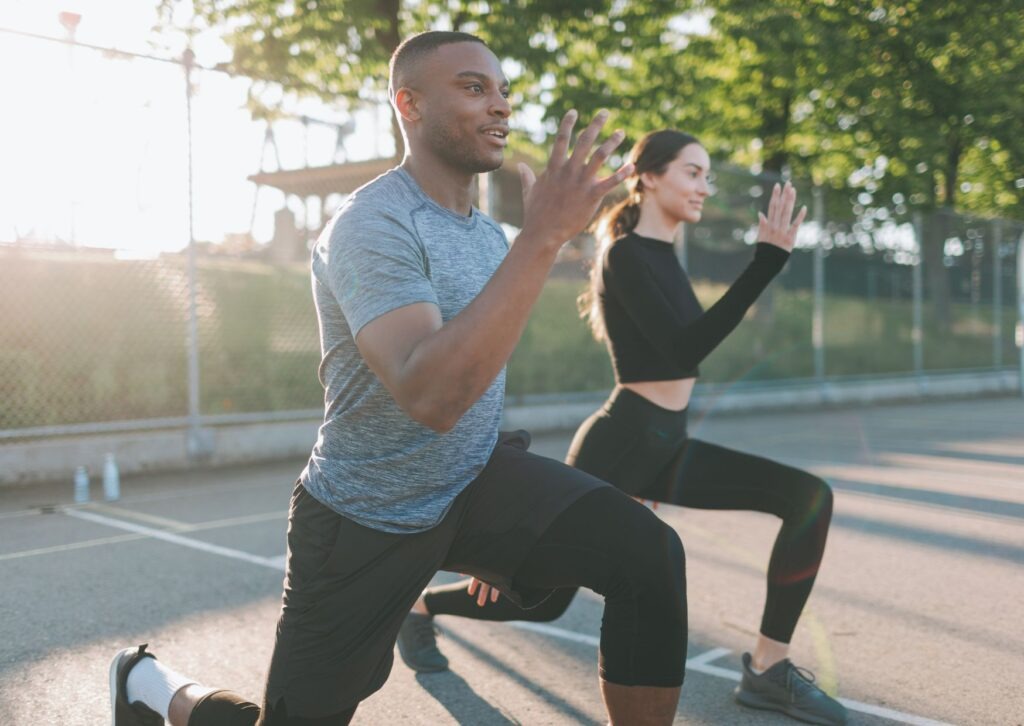
Exercise is widely recognized as being connected to physical wellness, however, its advantages go well beyond the weight and body tone. Exercise can make a significant contribution to your overall well-being; not only the functionality of your body, but also the way your mind and emotional state works. The role of exercise in a healthy lifestyle has been widely researched, and the data have convincingly indicated that it is among the most effective methods of improving the level of physical and mental health.
This article will discuss how exercising can change your life and improve your mood, as well as minimize the chances of many chronic diseases. To get fit, feel better or live a better life, the best thing you can do to yourself is to have regular physical activities in your routine.
- Physical Health Benefits of Regular Exercise
One of the most obvious benefits of regular exercise is its impact on physical health. Exercise strengthens the body, improves cardiovascular function, and supports muscle and bone health. A strong, healthy body can perform daily tasks with ease, preventing injury and discomfort.
Weight Management
Weight management requires regular exercise. Working out assists in weight loss by burning, which, with a healthy diet, may aid in losing or preserving weight. Running, swimming, cycling or any cardiovascular exercise is specifically used to burn fat and lose calories. Strength training exercises, like weight lifting, works to build lean mass in the body, which consequently increases metabolism, and thus, a healthy weight.
Cardiovascular Health
One of the most significant physical benefits of exercise is its positive effect on heart health. Regular aerobic exercise improves circulation, lowers blood pressure, and increases the efficiency of the heart. Studies have shown that consistent exercise can reduce the risk of heart disease by improving cholesterol levels and enhancing blood flow. Activities like walking, jogging, and cycling are particularly beneficial for cardiovascular health.
Muscle and Bone Health
Exercise strengthens muscles, which helps improve posture and reduce the risk of injury. Weight-bearing exercises, such as running, walking, and strength training, also play a crucial role in maintaining bone health and preventing osteoporosis, a condition that causes bones to become weak and brittle. Additionally, regular physical activity enhances flexibility and joint health, reducing the risk of falls and fractures, particularly in older adults.
Improved Immune Function
Regular exercise has been shown to enhance the immune system’s function, making the body more efficient at defending against infections. Moderate exercise, in particular, has been linked to increased production of white blood cells and antibodies, which are essential for fighting off pathogens. It also helps regulate inflammation, which is vital for maintaining long-term health.
- Mental Health Benefits of Regular Exercise
In addition to its physical health benefits, regular exercise plays a crucial role in improving mental health and emotional well-being. Physical activity has been shown to reduce symptoms of anxiety, depression, and stress, and even improve cognitive function.
Reduced Stress and Anxiety
Exercise is one of the most effective ways to reduce stress and anxiety. When you exercise, your body releases endorphins—chemicals in the brain that act as natural mood lifters. Endorphins can promote feelings of happiness and reduce pain, making you feel better both mentally and physically. Regular exercise also helps lower levels of cortisol, a hormone that is produced in response to stress. This combination of endorphin release and cortisol reduction helps to calm the mind and alleviate feelings of anxiety.
Boosted Mood and Decreased Risk of Depression
Numerous studies have shown that regular exercise can be as effective as antidepressant medications for treating mild to moderate depression. Exercise helps stimulate the production of neurotransmitters like serotonin and dopamine, which are associated with improved mood and emotional well-being. Engaging in physical activity also provides a sense of accomplishment and self-worth, which can counter feelings of hopelessness and sadness. Even simple activities like walking, yoga, or swimming can have a profound impact on mental health.
Enhanced Cognitive Function
Exercise also has a positive effect on brain health. Physical activity improves blood flow to the brain, which promotes the growth of new brain cells and improves cognitive function. Regular exercise has been linked to improved memory, concentration, and decision-making skills. In fact, some studies have shown that exercise can help delay the onset of cognitive decline and reduce the risk of developing conditions like Alzheimer’s disease.
Better Sleep Quality
Exercise has a significant impact on sleep quality, which is essential for mental and physical well-being. Regular physical activity helps regulate sleep patterns, making it easier to fall asleep and stay asleep throughout the night. It has been shown to promote deeper, more restorative sleep, which is essential for mental clarity, emotional regulation, and overall well-being. However, it’s important to avoid exercising too close to bedtime, as this can sometimes lead to difficulty falling asleep.
- Emotional Well-being and Self-esteem
In addition to improving mental health and cognitive function, regular exercise can boost your self-esteem and overall sense of well-being. Exercise provides a sense of accomplishment and can help individuals develop a positive body image and a stronger sense of self-worth.
Increased Confidence and Self-Esteem
As you progress in your fitness journey, you’ll likely notice physical changes such as increased muscle tone, improved posture, and weight loss. These changes can significantly boost your confidence and self-esteem. Regular exercise can also provide a sense of control over your body, helping you feel empowered and in charge of your health and fitness. Additionally, exercise can be a way of setting and achieving personal goals, which can further enhance self-worth and motivation.
Social Connection and Support
Exercise can provide opportunities for social interaction, which is essential for emotional well-being. Joining a fitness class, running group, or sports team can provide a sense of community and help you build relationships with others who share similar goals. Positive social connections are important for reducing feelings of loneliness, enhancing mental health, and improving overall happiness.
Improved Emotional Regulation
Exercise has been shown to improve emotional regulation, helping individuals better manage their feelings in stressful or challenging situations. Regular physical activity increases resilience and emotional stability, allowing individuals to cope more effectively with life’s ups and downs. This improved emotional regulation can reduce the risk of developing mental health issues such as anxiety and depression.
- Long-Term Health Benefits
The long-term benefits of regular exercise are extensive and can significantly improve the quality of life as you age. By staying active, you can increase your lifespan, reduce the risk of chronic diseases, and maintain independence as you get older.
Reduced Risk of Chronic Diseases
Regular exercise is one of the most effective ways to reduce the risk of chronic diseases such as heart disease, type 2 diabetes, and certain types of cancer. Physical activity helps regulate blood sugar levels, lower blood pressure, and improve cholesterol levels, all of which are important factors in preventing chronic diseases. Exercise can also enhance the body’s ability to metabolize fats and sugars, reducing the risk of developing metabolic disorders.
Longevity and Aging
Studies consistently show that people who engage in regular physical activity tend to live longer, healthier lives. Regular exercise can slow the aging process by maintaining muscle mass, improving bone density, and enhancing cardiovascular health. It also helps reduce the risk of age-related conditions like arthritis, osteoporosis, and cognitive decline.
- Practical Tips for Getting Started with Exercise
While the benefits of exercise are clear, starting a new fitness routine can be daunting. Here are some practical tips for incorporating regular exercise into your lifestyle:
- Start Slow: If you’re new to exercise, start with small, manageable goals. Begin with light activities such as walking, stretching, or swimming. Gradually increase the intensity and duration of your workouts as your fitness improves.
- Find Activities You Enjoy: Choose activities that you find enjoyable, as this will help you stay motivated. Whether it’s dancing, hiking, biking, or yoga, finding an exercise routine that you love will make it easier to stick with it.
- Set Realistic Goals: Set achievable goals and track your progress over time. Celebrate small victories to stay motivated and encourage consistency.
- Mix Things Up: To prevent boredom and keep your routine interesting, mix up your workouts. Alternate between cardio, strength training, flexibility exercises, and relaxation techniques like yoga or Pilates.
- Incorporate Rest Days: Rest is just as important as exercise, as it allows the body to recover and repair. Ensure that you schedule regular rest days to avoid overtraining and burnout.
Conclusion
One of the best methods of enhancing your overall well being is through exercise. It is good not only to improve physical health, increasing weight control, cardiovascular activity, and muscle strength, but also to improve mental health, reducing stress, lifting morale, and improving cognitive abilities. In addition, workouts are important to the long-term health, they decrease the chances of chronic illnesses and increase life span.
With a regular exercise, you are most likely to live a better life, have higher self-esteem, and a more optimistic view of life. Exercise is among the most effective things you can use, be it to achieve improved fitness, clarity of mind, or even an improved state of health. Begin small, remain regular and reap the unlimited rewards of regular exercise in your life.