
How to Embrace Minimalism and Transform Your Lifestyle
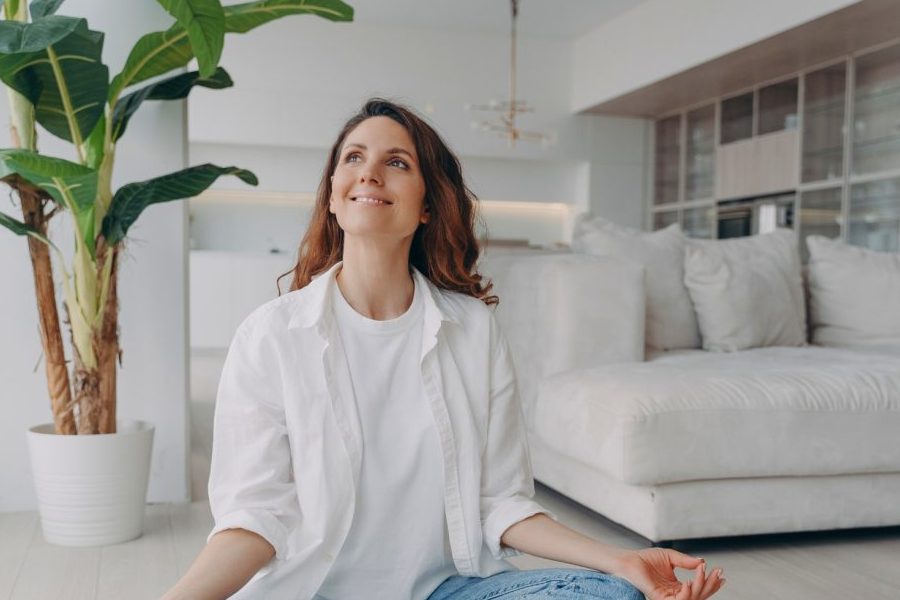
In today’s fast-paced world, the idea of minimalism has gained tremendous popularity as a lifestyle choice. It offers a way to declutter not only your physical space but also your mind, promoting clarity, peace, and a deeper connection to the things that truly matter. Embracing minimalism can be a transformative journey that leads to a simpler, more intentional way of living.
By letting go of unnecessary distractions and focusing on what truly adds value to your life, you can create a life that’s less about accumulation and more about purposeful living. This article explores how you can embrace minimalism and transform your lifestyle in a way that promotes inner peace, balance, and fulfillment.
Understanding Minimalism: A Simple Lifestyle with Profound Impact
Minimalism is more than just decluttering your physical space; it’s a mindset that encourages intentional living. It’s about eliminating the excess in life—be it material possessions, responsibilities, or negative thought patterns—so you can focus on what truly enhances your life. At its core, minimalism is about prioritizing quality over quantity and making conscious choices that lead to more meaningful experiences.
Embracing minimalism isn’t about deprivation; rather, it’s about creating a lifestyle that is rich in experiences and aligned with your core values. It involves asking yourself the tough questions about what adds real value to your life and what only creates distractions and stress.
For those applying minimalism to their daily living, it’s equally important to extend that mindset to home energy consumption. Choosing efficient power plans, like killeen electricity rates, can complement a minimalist lifestyle by reducing waste and promoting mindful energy use.
1. Begin with Decluttering: Create Physical and Mental Space
The first step towards minimalism is to declutter both your physical space and your mental space. Start by going through your home and removing items that no longer serve a purpose. Physical clutter can often mirror mental clutter, and reducing the excess in your environment can help you feel more organized and at peace.
How to Declutter Your Home:
-
Minimalism isn’t just about decluttering your home—it’s also about reassessing the items you own and deciding which ones still serve a purpose in your life. Many people discover that they hold onto valuable jewelry pieces they rarely wear, often out of habit or sentiment. In these situations, letting go of unused items can be part of a more intentional lifestyle. For example, if you have pieces sitting in a drawer, working with a reputable Scottsdale jewelry buyer can help you turn those items into something more meaningful, whether that’s financial flexibility or funding experiences that better align with your minimalist values. Companies like E.D. Marshall have specialized in evaluating estate jewelry, gold, and luxury pieces for decades, offering professional appraisals and competitive offers for items people no longer use.
-
Embrace quality over quantity: When purchasing new items, focus on choosing high-quality pieces that serve a purpose and have longevity. This reduces the need to constantly buy new items and adds more meaningful possessions to your home.
-
Create functional spaces: Organize your space in a way that promotes ease and functionality. Invest in storage solutions that help keep your home tidy and organized, reducing the temptation for future clutter.
Once you’ve tackled the physical clutter, shift your focus to mental decluttering. Simplify your daily routine by eliminating unnecessary tasks and commitments. This allows more room for relaxation, creativity, and personal growth. Readers looking for updated information can check pushwiki com
2. Cultivate a Mindset of Intentionality
Minimalism is deeply connected to being intentional with your time, energy, and resources. Living intentionally means making conscious choices about how you spend your time and what you prioritize. Instead of living on autopilot, minimalism encourages us to carefully consider every aspect of our lives and make decisions that align with our true desires and values.
How to Practice Intentional Living:
-
Set clear goals: Begin by identifying what matters most to you, whether it’s personal growth, relationships, or career goals. This will guide your actions and help you stay focused on what truly enhances your life.
-
Let go of distractions: Identify activities, people, or commitments that drain your energy and contribute little to your well-being. By letting go of these distractions, you can focus more on the things that truly matter.
-
Simplify decision-making: Instead of getting bogged down by unnecessary choices, simplify your daily decisions. For example, you can create routines or systems that help you streamline tasks and reduce mental fatigue.
By embracing intentional living, you not only enhance your well-being but also create more space in your life for what brings you joy and fulfillment.
3. Adopt a Minimalist Approach to Finances
Minimalism isn’t just about physical objects; it can also apply to your finances. Financial minimalism involves focusing on what truly matters and aligning your spending habits with your values. By reducing unnecessary purchases and avoiding the trap of consumerism, you can achieve greater financial freedom and stability.
How to Simplify Your Finances:
-
Create a budget: Start by assessing your income and expenses. Categorize your spending and identify areas where you can cut back. This will help you live within your means and avoid unnecessary debt.
-
Avoid impulse buying: Be intentional about your purchases. Before making a purchase, ask yourself whether the item is something you truly need or if it’s just an impulse buy.
-
Focus on experiences over things: Instead of spending money on material possessions, invest in experiences that contribute to your personal growth or happiness, such as travel, education, or meaningful activities.
By adopting a minimalist approach to finances, you’ll not only reduce stress but also free up more money to invest in the things that align with your long-term goals.
4. Embrace the Power of Digital Minimalism
In the digital age, we are constantly bombarded with information, notifications, and distractions. Digital minimalism focuses on intentionally managing your relationship with technology. It encourages us to be mindful of how we engage with digital platforms and to limit our exposure to unnecessary noise.
How to Practice Digital Minimalism:
-
Limit screen time: Set boundaries on how much time you spend on your phone, social media, or browsing the internet. Use apps that track your screen time to help you stay mindful of your usage.
-
Unsubscribe and declutter your inbox: Unsubscribe from email lists that don’t add value to your life. Keep your inbox organized and only focus on the emails that truly matter.
-
Set tech-free zones: Create spaces in your home or office where technology is not allowed. This helps you disconnect and focus on activities that nourish your mind and body.
By embracing digital minimalism, you can regain control of your time and energy, allowing you to be more present and intentional in your daily life.
5. Focus on Meaningful Relationships
In a world that prioritizes speed and convenience, it’s easy to lose sight of what matters most: our relationships. Minimalism encourages us to focus on quality over quantity, especially when it comes to the people we spend time with.
How to Cultivate Meaningful Relationships:
-
Invest in deep connections: Rather than maintaining superficial relationships, focus on nurturing a few deep and meaningful connections. Spend time with people who align with your values and support your well-being.
-
Be present: In every interaction, practice active listening and presence. Avoid distractions, and give your full attention to the person you are with.
-
Let go of toxic relationships: Evaluate your relationships and distance yourself from individuals who drain your energy or negatively affect your mental health.
Focusing on meaningful relationships not only brings more peace into your life but also strengthens your support system and creates lasting bonds.
6. Simplify Your Daily Routine
A minimalist lifestyle isn’t just about decluttering your home—it’s also about simplifying your daily routines. By reducing the number of tasks you need to complete each day, you can create more time for relaxation, creativity, and personal growth.
How to Simplify Your Routine:
-
Establish habits: Create consistent daily routines that support your health, productivity, and well-being. For example, make time each morning for exercise, meditation, or journaling.
-
Automate repetitive tasks: Use technology to automate tasks like bill payments or grocery shopping to reduce the mental load of everyday life.
-
Prioritize tasks: Focus on the most important tasks first and let go of less meaningful activities. This will help you stay focused and prevent feeling overwhelmed.
By simplifying your daily routine, you create more space for the things that truly matter and enjoy life with greater ease and flow.
Conclusion
Embracing minimalism is about creating a life filled with intention, simplicity, and purpose. Whether it’s by decluttering your home, embracing digital minimalism, simplifying your finances, or focusing on meaningful relationships, minimalism allows you to live with greater clarity and fulfillment.
By reducing the excess and focusing on what truly adds value to your life, you can transform your lifestyle into one that is not only peaceful and stress-free but also rich in experiences that contribute to your happiness and growth.