
Innovative Ways Homeowners Are Using Residential Solar Panels
Key Takeaways
- Solar panels deliver far more than electricity; they’re integrated into a range of home design features and technologies.
- Options like solar roof tiles and transparent solar panels enhance both aesthetics and utility, blending clean energy with beautiful design.
- Smart homes and advanced battery systems further optimize how households generate, store, and utilize solar energy, dramatically increasing efficiency.
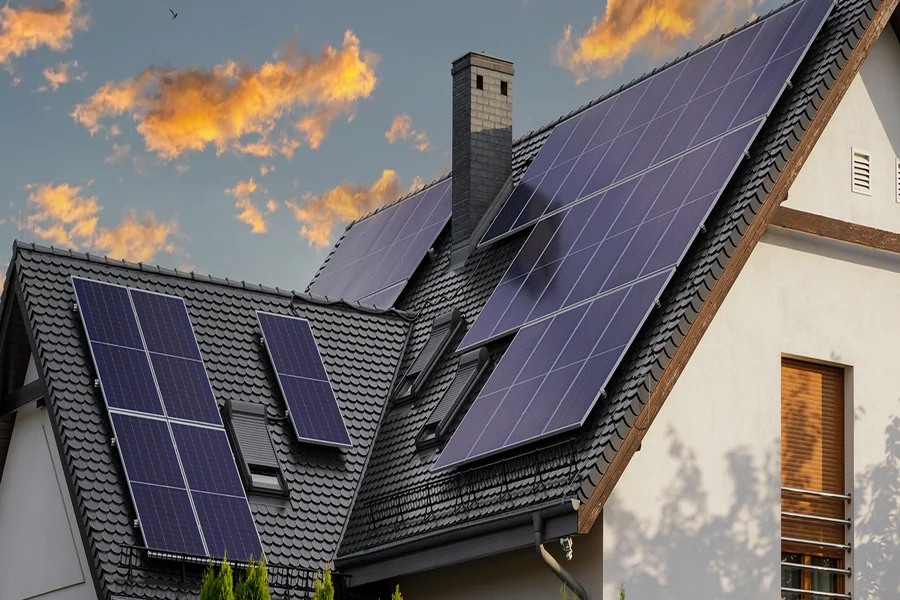
Residential solar panels are transforming how homeowners approach energy use, with new technologies making solar a versatile solution for today’s homes. From improved aesthetics to smart home integration, creative solar applications go beyond just generating electricity. Smart installation choices and modern products from reputable companies like Green Tech Construction ensure homeowners maximize both value and long-term benefits.
Advancements in solar technology are driving homeowners to adopt panels and systems tailored to their lifestyles, property designs, and sustainability goals. Whether you are drawn by savings on your energy bill or the desire to reduce carbon emissions, the possibilities offered by solar energy are broader and more stylish than ever before. These options collectively push solar beyond a conventional utility upgrade, turning it into a foundational element for the modern green home.
Solar Roof Tiles: Merging Aesthetics with Functionality
Classic solar panels are effective but can disrupt the visual continuity of a beautifully designed roof. Solar roof tiles offer an elegant alternative by integrating photovoltaic cells into materials like asphalt shingles or terracotta tiles. These roof tiles provide seamless energy generation while preserving the home’s curb appeal. Many homeowners seek these options as they allow for sustainability without compromising on style. Cutting-edge designs such as SolarSkin mimic popular roofing materials, helping homes stay attractive while generating renewable electricity.
Transparent Solar Panels: Power-Generating Windows
Windows play an important role in bringing daylight into a home, but with transparent solar panels, they can also generate power. These special panels use microscopic photovoltaic cells embedded within window glass to convert sunlight into electricity. This is a transformative solution for homes with limited roof space or in multi-story buildings, as it enables vertical surfaces to contribute to a home’s energy needs. It’s especially advantageous for homeowners in urban areas looking to make the most of their architectural footprint.
Solar-Powered Appliances and Systems
Solar energy is reshaping not just how homes are powered; it’s also being channeled into specific systems and appliances, delivering targeted efficiency upgrades. Solar water heaters use rooftop collectors to harness the sun’s rays for hot water, slashing both energy use and utility costs. On the cooling side, solar-powered air conditioning uses solar panels to power AC units, greatly reducing environmental impact compared to conventional systems. These applications are vital for those who want to directly reduce their carbon footprint while modernizing their homes.
Advanced Energy Storage Solutions
One common obstacle with traditional solar setups is the intermittent nature of sunlight. Modern energy storage systems, such as lithium-ion batteries, are helping homeowners solve this problem. By capturing and holding solar electricity generated during peak sunlight hours, these systems provide an on-demand energy reserve for use at night or on cloudy days. With increased affordability and longer lifespans, energy storage is making solar independence a reality for more people.
Smart Home Integration for Optimized Energy Use
Pairing solar panels with smart home technology empowers homeowners with unprecedented control over energy consumption. Smart inverters, advanced meters, and mobile apps put real-time data and decision-making tools at their fingertips. These systems distribute power to household devices based on need and store any surplus for later use. This kind of intelligent infrastructure not only maximizes efficiency but also allows homeowners to reduce waste, save money, and adapt easily to changing energy demands throughout the day.
Solar-Powered Landscaping and Outdoor Features
Solar energy is not just for roofs and windows; it’s powering outdoor living spaces, too. Homeowners are increasingly incorporating solar garden lights, fountains, and even automated irrigation systems. These outdoor elements run independently from the main power grid, adding beauty and convenience to the yard without increasing electricity costs. Such innovations make it simple to extend solar’s benefits to every corner of a property, creating sustainable and inviting outdoor environments.
Community Solar Projects: Shared Benefits
Community solar allows individuals who cannot install panels (due to space, shading, or property type) to participate in the clean energy revolution. In these shared projects, multiple residents join together to fund and benefit from a larger, off-site solar array. Participants receive credits on their electric bills based on their share of the total power generated. This approach encourages broader adoption and democratizes access to green energy solutions by making them available to renters, condo owners, and others without suitable roof space.
Financial Incentives and Policy Support
Solar’s popularity among homeowners is bolstered by substantial financial incentives. Tax credits, such as the federal Investment Tax Credit (ITC), let homeowners deduct a significant portion of their installation costs from their taxes. States and municipalities frequently offer grants, rebates, and net metering policies that further sweeten the financial proposition. By staying current with these opportunities, homeowners can dramatically reduce up-front expenses and accelerate return on investment.
Conclusion
Solar innovation is transforming how homes generate, store, and use energy with visually appealing solar roof tiles, transparent panels, smart home integration, and advanced batteries. These solutions boost efficiency, reduce environmental impact, and suit various housing types. Expanding financial incentives and community solar programs make clean energy more accessible. Embracing these advancements helps individuals achieve energy independence and support a greener, resilient future.