
Professional Vs At-Home Teeth Whitening Options in Seattle
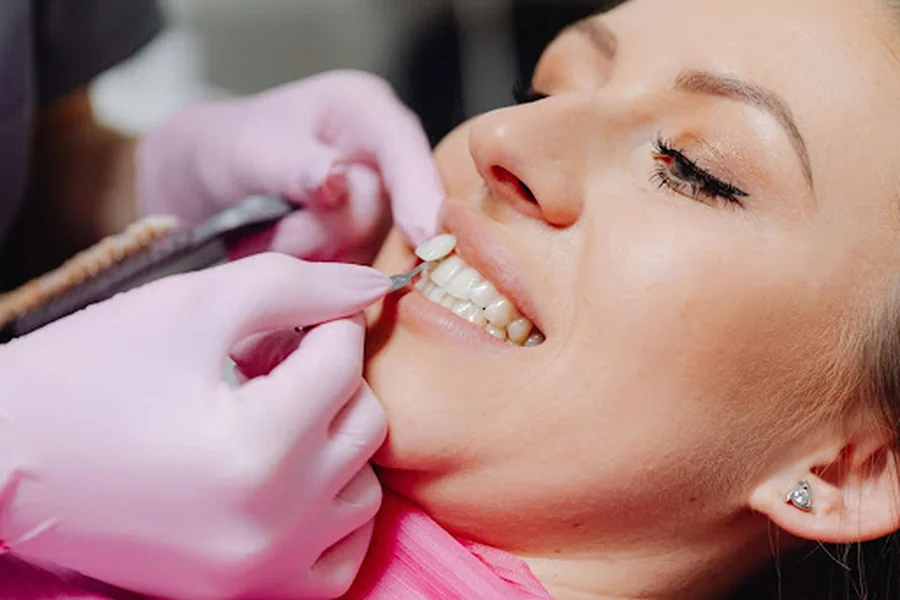
If you’re considering teeth whitening in Seattle, you’ll want to weigh the benefits of professional treatments against at-home kits. Professional options use stronger agents and advanced technology, delivering quicker, more reliable results. Meanwhile, at-home products offer convenience and lower upfront costs but may fall short on effectiveness and safety. Understanding these differences is essential before deciding which method suits your needs and lifestyle best.
Understanding the Basics of Teeth Whitening
Teeth whitening is a chemical process that breaks down stains on your enamel using bleaching agents like hydrogen peroxide or carbamide peroxide. When exploring teeth whitening techniques, you’ll find that both professional treatments and at-home products rely on these active whitening product ingredients to oxidize and lighten tooth discoloration. The concentration of these agents primarily determines the effectiveness and speed of whitening, with professional teeth whitening in Seattle typically using higher percentages for more significant and longer-lasting results. It’s essential to understand that these chemicals penetrate the enamel and dentin to target chromogens causing discoloration. Selecting the appropriate technique depends on your sensitivity, desired whitening level, and convenience. By comprehending the role of whitening product ingredients and the mechanisms behind teeth whitening techniques, you can make informed decisions about which option suits your needs best.
Common Causes of Teeth Discoloration
You’ll find that teeth discoloration primarily results from dietary stains, the natural aging process, and certain lifestyle habits. Foods and beverages like coffee or red wine deposit pigments that penetrate enamel, while enamel thinning exposes the underlying dentin, which is naturally darker. Additionally, habits such as smoking accelerate staining and enamel degradation, intensifying discoloration over time.
Dietary Stains Impact
How do certain foods and beverages contribute to discoloration over time? Dietary habits directly influence the accumulation of extrinsic stains on your teeth. Compounds like tannins, chromogens, and acids found in coffee, tea, red wine, and dark berries chemically bind to the enamel surface, causing gradual discoloration. Frequent consumption without proper oral hygiene accelerates stain buildup, making teeth appear dull or yellowed. Understanding these mechanisms is essential for effective stain prevention. You can mitigate dietary staining by moderating intake of pigmented substances and rinsing or brushing promptly after consumption. Additionally, using whitening toothpaste or professional cleanings can help manage existing stains. By controlling your dietary habits and implementing targeted stain prevention strategies, you maintain a brighter smile and reduce the need for intensive whitening treatments.
Aging and Enamel
Although aging is a natural process, it greatly impacts tooth coloration by thinning the enamel, which exposes the underlying dentin—a darker, yellowish tissue. As you age, enamel erosion accelerates due to cumulative mechanical wear and chemical exposure. This erosion reduces enamel thickness, diminishing its natural translucency and allowing dentin’s color to dominate. The aging effects on enamel also decrease its mineral density, weakening its protective function against discoloration. Consequently, your teeth may appear more yellow or dull over time, even without external staining agents. Understanding these physiological changes is essential when evaluating teeth whitening options, as treatments must account for enamel integrity and dentin visibility. Professional whitening methods often address these aging effects more effectively than at-home solutions, offering tailored approaches to manage enamel erosion and restore tooth brightness.
Lifestyle Habits Effects
Since your daily habits directly impact tooth coloration, understanding their effects is essential for effective whitening. Various lifestyle choices, such as consuming coffee, tea, red wine, or tobacco use, contribute to extrinsic staining by depositing pigments on enamel surfaces. Poor oral hygiene exacerbates discoloration, allowing plaque and tartar accumulation that trap stains and accelerate enamel degradation. Additionally, acidic foods and drinks can erode enamel, making teeth more susceptible to staining. To optimize whitening results, you must address these lifestyle factors by reducing stain-causing substances and maintaining rigorous oral hygiene, including regular brushing, flossing, and professional cleanings. Recognizing how your behavior affects tooth coloration empowers you to choose whitening solutions that complement your habits and sustain long-term brightness.
Overview of Professional Teeth Whitening Services in Seattle
When you choose professional teeth whitening services in Seattle, you’ll encounter options like in-office laser treatments and custom take-home trays. These methods offer controlled application of high-concentration bleaching agents for effective and safe results. Local clinics provide the advantage of personalized care and immediate consultation to optimize your whitening outcome.
Types of Services
Seattle offers a variety of professional teeth whitening services designed to meet different needs and schedules. You can choose from in-office treatments that utilize high-concentration bleaching agents activated by specialized light systems, delivering rapid and controlled whitening results. Alternatively, dentists may provide custom-fitted trays paired with professional-grade gels for at-home use, combining convenience with clinical efficacy. These professional treatments outperform over-the-counter DIY kits, which typically contain lower peroxide levels and lack customization, resulting in less consistent outcomes. Additionally, some clinics offer laser-assisted whitening, enhancing peroxide penetration for deeper stain removal. Understanding these service types helps you select an option balancing effectiveness, time commitment, and sensitivity concerns. By opting for professional services, you guarantee safety and optimized results tailored precisely to your dental condition.
Local Clinic Advantages
Although at-home kits may seem convenient, choosing a local clinic for teeth whitening guarantees access to advanced technologies and expert supervision tailored to your dental profile. When you opt for professional services in Seattle, you benefit from local expertise that understands regional dental trends and environmental factors affecting your teeth. Clinics employ state-of-the-art equipment like LED-accelerated whitening systems and custom-fitted trays, delivering more effective and consistent results than generic kits. Furthermore, personalized care guarantees your treatment is adapted to your enamel sensitivity and cosmetic goals, minimizing risks of irritation or uneven whitening. This clinical precision optimizes both safety and outcome, making professional whitening a superior choice for lasting, noticeable brightness. Your smile deserves this level of targeted, expert attention that only a local Seattle clinic can provide.
Popular At-Home Teeth Whitening Kits and Products
Several at-home teeth whitening kits have gained popularity due to their convenience and effective formulations. If you’re considering DIY whitening kits, you’ll find that most utilize carbamide peroxide or hydrogen peroxide as active agents, which penetrate enamel to break down stains. Whitening strips are among the most common products; they adhere to your teeth, delivering consistent bleaching agents over set application times. These strips offer precise dosing, minimizing the risk of gum irritation when used correctly. Additionally, some kits come with LED light accelerators, purported to enhance whitening efficacy by activating peroxide molecules. When choosing a product, assess the concentration of the active ingredient and follow manufacturer guidelines strictly to avoid enamel damage. Understanding these technical aspects guarantees you select a safe, effective option tailored to your needs.
Comparing Costs: Professional Vs At-Home Whitening
When weighing teeth whitening options, you’ll notice professional treatments come with a higher upfront cost compared to at-home kits. However, the long-term value often favors professional services due to their effectiveness and durability. Understanding these price differences helps you make an informed decision based on both budget and desired results.
Price Differences Overview
Because teeth whitening methods vary in application and effectiveness, their costs differ considerably. When conducting a price comparison, you’ll find that professional treatments generally demand a higher upfront investment than at-home kits. Budget considerations are essential to choose the right option without compromising results.
Here’s a clear breakdown:
- Professional whitening sessions in Seattle typically cost between $300-$600.
- At-home whitening kits range from $20-$100 depending on brand and strength.
- Dentist-supervised take-home trays cost around $150-$300.
- Additional visits or customization can increase professional treatment expenses.
Long-Term Value Comparison
Understanding the upfront costs is just one part of choosing a whitening method; evaluating long-term value helps you determine which option delivers the best results over time. When comparing professional and at-home whitening, consider the financial investment relative to the long term benefits. Professional whitening typically demands a higher initial cost but offers more durable, consistent results due to advanced formulations and expert application. This reduces the frequency of touch-ups, lowering cumulative expenses. Conversely, at-home kits are more affordable upfront but may require repeated use to maintain brightness, increasing overall costs and risking inconsistent outcomes. You should weigh these factors carefully: investing more initially in professional treatment often translates to superior long term benefits, whereas at-home methods might save money short-term but potentially cost more in maintenance over time.
Effectiveness and Speed of Results
How quickly you see results from teeth whitening depends largely on the method you choose and the concentration of the active bleaching agents. Professional treatments utilize higher concentrations of hydrogen peroxide, delivering superior whitening effectiveness and faster results speed compared to at-home alternatives. Typically, you’ll notice significant brightening after just one session with in-office procedures.
In contrast, at-home whitening kits contain lower peroxide levels, requiring consistent use over days or weeks to achieve noticeable changes. Here’s what influences whitening effectiveness and results speed:
- Professional whitening: 15-43% hydrogen peroxide, visible results in 1 hour
- Custom take-home trays: 10-22% peroxide, results in 1-2 weeks
- Over-the-counter strips: 6-10% peroxide, gradual results in 2-4 weeks
- Whitening toothpaste: minimal peroxide, limited and slow whitening effect
Choosing the right option balances your desired speed and whitening effectiveness.
Safety Considerations for Different Whitening Methods
While faster and more effective whitening methods can deliver impressive results, it’s important to weigh these benefits against potential safety concerns. When choosing between professional and at-home options, you should consider the strict safety regulations that dental professionals adhere to, ensuring controlled application and minimized risks such as gum irritation or enamel damage. Professional treatments often guarantee ingredient transparency, allowing you to understand exactly what agents are used and in what concentrations. Conversely, at-home kits may vary widely in formulation quality and lack thorough ingredient disclosure, potentially leading to misuse or adverse reactions. Prioritizing treatments compliant with established safety standards will help protect your oral health while achieving desired whitening outcomes. Always consult your dentist to assess which method aligns with your specific dental condition and safety requirements.
Convenience and Time Commitment
Because your schedule and lifestyle greatly influence treatment adherence, convenience and time commitment are critical factors when selecting a teeth whitening method. Professional whitening typically requires scheduled appointments, limiting time flexibility but offering rapid results under expert supervision. At-home kits provide greater autonomy, allowing treatments to fit your daily routine and user preferences, though they demand consistent application over extended periods.
Consider these aspects when choosing:
- Professional sessions usually last 30–60 minutes per visit.
- At-home treatments require daily use for 1–2 weeks.
- Travel and waiting times for in-office procedures.
- Ability to pause or adjust treatment based on your schedule.
Evaluating these factors guarantees you select a whitening option compatible with your time constraints and personal habits.
Potential Side Effects and How to Manage Them
Although teeth whitening treatments are generally safe, you should be aware of potential side effects such as tooth sensitivity and gum irritation. These effects result from the peroxide-based agents penetrating enamel and affecting the dentin or soft tissues. For effective sensitivity management, use desensitizing toothpaste containing potassium nitrate or fluoride, as these compounds help block nerve response and reinforce enamel. Additionally, avoid overly abrasive brushing or acidic foods immediately after treatment to prevent further irritation. Maintaining ideal oral care during and after whitening is essential; make sure you follow professional guidelines or product instructions precisely. If severe discomfort or prolonged irritation occurs, consult your dental professional promptly to adjust the treatment plan or recommend alternative methods. Proper sensitivity management minimizes risks, allowing you to achieve a brighter smile safely and comfortably.
Tips for Maintaining a Long-Lasting Bright Smile
To maintain your teeth’s brightness after whitening, you need to adopt a consistent oral hygiene routine combined with lifestyle adjustments. Effective whitening maintenance tips are essential to prolong your bright smile and prevent discoloration. Integrate these smile care routines into your daily habits:
- Brush twice daily with a whitening toothpaste containing hydrogen peroxide or carbamide peroxide for stain control.
- Floss daily to remove plaque and prevent gum inflammation that can affect tooth appearance.
- Limit intake of staining substances like coffee, red wine, and tobacco.
- Schedule regular dental cleanings every six months to remove surface stains and monitor oral health.
Frequently Asked Questions
Can Teeth Whitening Affect Dental Restorations Like Crowns or Veneers?
Yes, teeth whitening won’t change restoration materials like crowns or veneers, so color matching may be off. You’ll need professional advice to adjust restorations after whitening for consistent shade and appearance.
Are There Any Dietary Restrictions After Teeth Whitening Treatments?
Yes, after whitening, you should avoid staining foods and drinks like coffee, red wine, and berries for at least 48 hours. This post treatment care is essential for effective whitening maintenance and preserving your results longer.
How Often Can I Safely Undergo Teeth Whitening Procedures?
You should limit whitening frequency to every 6 months to maintain safe intervals, minimizing enamel damage and sensitivity risk. Consult your dentist for personalized advice, as individual dental health can affect how often whitening procedures are safely performed.
Does Teeth Whitening Work on All Tooth Colors and Stains?
Teeth whitening doesn’t work on all tooth colors or stains. You’ll find it effective on extrinsic stains caused by food or smoking but less so on intrinsic discoloration like tetracycline stains, highlighting the importance of whitening effectiveness comparison.
Can Teeth Whitening Cause Increased Tooth Sensitivity Long-Term?
Yes, teeth whitening can cause increased tooth sensitivity long-term, but with proper sensitivity management and considering treatment alternatives, you can minimize risks and maintain comfort throughout your whitening process effectively and safely.