
Routine Maintenance Checklist for Home HVAC Systems by Gee Heating and Air
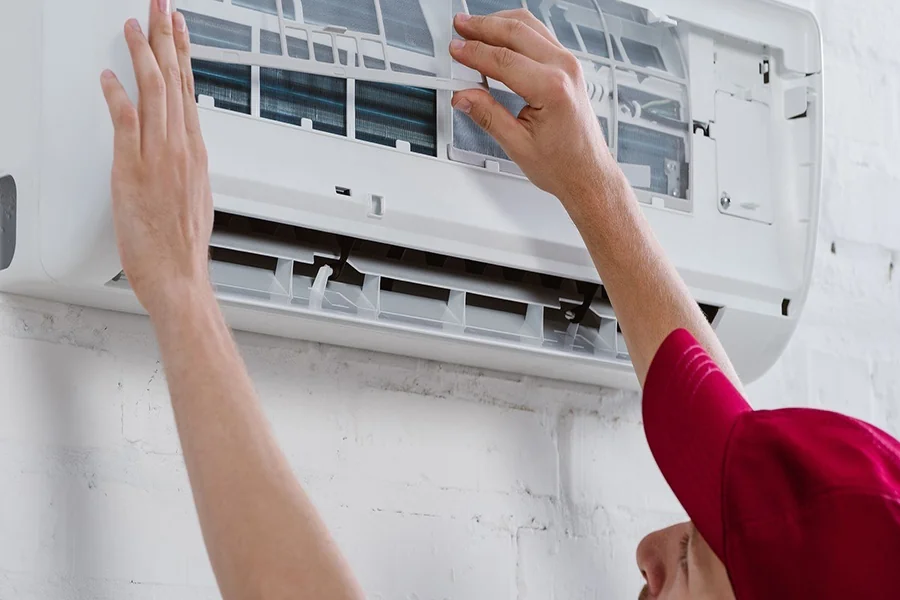
Maintaining a home HVAC system is crucial to ensure consistent comfort, energy efficiency, and equipment longevity. Homeowners often overlook the importance of regular maintenance until a system fails, leading to costly repairs or replacements. A properly maintained HVAC system not only improves air quality but also helps reduce utility bills by operating more efficiently. We will explore a comprehensive routine maintenance checklist for home HVAC systems, focusing on tasks that can be performed monthly, seasonally, and annually. Following these guidelines can prevent unexpected breakdowns, extend equipment life, and ensure that your home environment remains comfortable throughout the year. By implementing a structured maintenance plan, homeowners can stay ahead of potential issues and enjoy the full benefits of their heating and cooling systems without interruptions.
Air Filter Inspection and Replacement
One of the simplest yet most impactful tasks in HVAC maintenance is checking and replacing air filters. Dirty or clogged filters restrict airflow, forcing the system to work harder, which can increase energy consumption and strain components. Homeowners who rely on Gee Heating and Air near Flowery Branch for guidance should inspect filters monthly and replace them every 1-3 months, depending on system usage and environmental factors such as pets, dust, or pollen levels. A clean filter ensures proper airflow, prevents dust and debris from accumulating within the system, and contributes to healthier indoor air quality. In addition, maintaining clean filters reduces the risk of overheating or freezing in certain components, which could otherwise lead to costly repairs. Regular attention to this small but critical component of an HVAC system supports consistent performance and comfort.
Thermostat and System Controls Check
Maintaining control accuracy is essential for HVAC efficiency. Checking the thermostat settings and ensuring the system responds correctly helps prevent unnecessary energy consumption. Homeowners should verify that programmable thermostats are set according to seasonal needs and that temperature sensors are functioning properly. Inaccurate thermostat readings can cause the system to cycle excessively, wear components faster, and result in inconsistent indoor temperatures. By testing the system’s response to thermostat adjustments, homeowners can detect irregularities early. Additionally, reviewing system schedules ensures that heating or cooling is not being used unnecessarily during unoccupied hours, providing both energy savings and extended equipment life. Accurate control and monitoring form the foundation for a reliable HVAC operation.
Cleaning and Inspecting Coils
Evaporator and condenser coils play a critical role in heat exchange within the system. Over time, dust, dirt, and debris accumulate on the coils, reducing their efficiency and causing the system to operate more inefficiently. Seasonal inspection and cleaning of these coils are necessary to maintain optimal performance. For air conditioners, the outdoor condenser coils should be cleared of leaves, grass, and other debris, while the indoor evaporator coils should be carefully cleaned to remove any buildup that may hinder airflow. Neglecting coil maintenance can lead to higher energy bills, poor system performance, and eventual component failure. Keeping coils clean enables the system to transfer heat efficiently, maintaining a comfortable indoor environment and preventing long-term damage.
Inspecting Ductwork and Airflow
Ducts deliver conditioned air throughout the home, and leaks or blockages can significantly reduce system efficiency. Homeowners should inspect ductwork for visible signs of damage, disconnected sections, or accumulated dust. Tightening connections, sealing leaks, and clearing debris from ducts helps maintain consistent airflow and ensures the HVAC system operates without unnecessary strain. Properly sealed and clean ductwork not only improves energy efficiency but also contributes to better indoor air quality by minimizing dust and allergen circulation. Periodic professional inspection can identify hidden issues, such as small leaks within walls or ceilings, ensuring the entire system functions effectively. Maintaining duct integrity is a key step in sustaining long-term system reliability.
Checking Refrigerant Levels and System Pressure
Refrigerant levels and system pressure affect the cooling capacity of air conditioners and heat pumps. Low refrigerant can lead to poor cooling performance, increased energy usage, and potential compressor damage. Homeowners should schedule professional inspections at least once a year to verify refrigerant levels, detect leaks, and ensure proper system pressure. Maintaining proper refrigerant levels allows the system to operate efficiently and prevents strain on components, which could lead to costly repairs. While homeowners can visually inspect for signs of refrigerant issues, such as ice buildup on coils or reduced cooling, professional service is essential for safe handling and accurate diagnosis. Proper refrigerant management ensures optimal temperature control and energy efficiency.
Fan, Blower, and Motor Maintenance
The blower and fans are essential for moving air through the system and into living spaces. Dust accumulation, worn bearings, or misaligned components can hinder airflow, reduce efficiency, and generate noise. Routine inspection and cleaning of fan blades, motor housings, and blower components prevent unnecessary wear and maintain consistent airflow. Lubricating motor bearings and checking belt tension (if applicable) ensures smooth operation and prevents overheating or mechanical failure. Attention to these components helps the system maintain consistent performance while extending the service life of critical mechanical components. A well-maintained fan and motor assembly also enhances energy efficiency and contributes to quieter operation throughout the home.
Drain Line and Condensate Maintenance
Air conditioning systems generate condensate that must be drained effectively to prevent water damage and mold growth. Homeowners should periodically check the condensate drain lines for clogs, algae, or mineral buildup, and flush them with water or a mild cleaning solution. Ensuring that the drain pan is free of standing water and debris prevents overflow and potential damage to floors or ceilings. Regular maintenance of the condensate system is essential for both indoor air quality and structural safety. Neglecting drain line maintenance can lead to costly water damage, unpleasant odors, and microbial growth within the HVAC system, underscoring the importance of this often-overlooked aspect of routine maintenance.
Seasonal System Tests
Performing seasonal tests before the heating or cooling season begins ensures the system is ready for peak demand. Running the system and monitoring its performance helps detect unusual noises, temperature fluctuations, or cycling issues. Checking for proper airflow, temperature differentials, and overall responsiveness allows homeowners to address minor issues before they escalate. Seasonal testing also provides an opportunity to verify that safety controls, electrical connections, and system sensors are functioning correctly. Proactive seasonal checks reduce the likelihood of mid-season breakdowns and help maintain consistent comfort while optimizing energy use. By scheduling these tests regularly, homeowners can identify and resolve potential problems early.
A structured routine maintenance checklist is essential for keeping home HVAC systems running efficiently and reliably. From air filter replacement and thermostat verification to coil cleaning, duct inspection, and refrigerant management, each task contributes to system longevity, energy efficiency, and comfort. Regular maintenance prevents unexpected breakdowns, improves indoor air quality, and reduces long-term operational costs. By adopting a comprehensive approach that combines homeowner-performed checks with professional inspections, homes can maintain consistent heating and cooling performance throughout the year. Working with a trusted service provider such as Gee Heating and Air ensures that maintenance tasks are performed safely and effectively, helping homeowners protect their investment and maintain a comfortable living environment.