
The Evolution of Streaming Services: What’s Next for Entertainment?
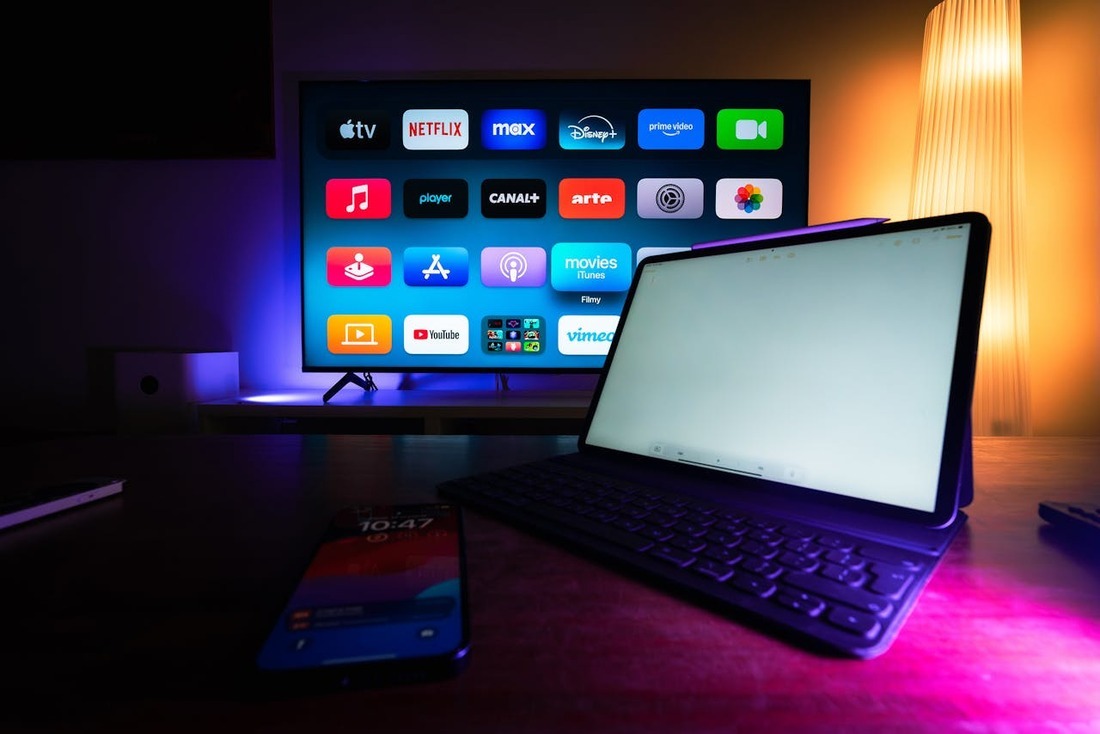
The entertainment business has changed tremendously in the last 20 years and streaming services have been at the forefront of changing the way audiences consume entertainment. You can also check out godoctormagazine.com for more details on this topic. Since the early-days of DVD rentals and cable television through the emergence of on-demand digital content, streaming has become the preferred way of viewing movies, TV shows, and even live events. In the future, things have become a fast changing scenario as the environment of streaming transforms due to technological innovations, shifting consumer behavior, and emerging entrepreneurial approaches.
In this paper, we are going to discuss how streaming services have evolved and transformed the entertainment industry; what trends are evolving the future of this dynamic space; and what lies ahead of streaming services.
The Rise of Streaming Services
The history of streaming services started at the beginning of the 2000s when digital technology has opened the possibility to deliver content to consumers via internet. Such companies as Netflix, Hulu, and Amazon Prime Video hastily fused on the notion of providing ways to watch movies and TV shows on-demand without the utilization of physical media and standard cable subscriptions. One of the first firms to make this change was Netflix, which started as a DVD rental company and switched to streaming in 2007 and overturned the ways people watched content.
Why Streaming Took Off
Several factors contributed to the rise of streaming services:
- Convenience: Streaming platforms allowed consumers to watch content whenever they wanted, eliminating the need for scheduled programming and physical rentals.
- Cost-Effectiveness: Streaming subscriptions were significantly cheaper than traditional cable or satellite TV packages, making them an attractive alternative for budget-conscious viewers.
- Accessibility: With the advent of smartphones, smart TVs, tablets, and laptops, consumers could now watch content on multiple devices, anywhere, anytime.
- Customization: Streaming platforms used algorithms to recommend content based on individual preferences, creating a more personalized viewing experience.
By 2010, streaming services had gained substantial popularity, with Netflix leading the charge, followed by Amazon Prime Video, Hulu, and a variety of international platforms like BBC iPlayer in the UK and Hotstar in India.
The Growth of Original Content
One of the most notable shifts in the streaming industry was the move towards original content. As platforms sought to differentiate themselves from one another, investing in exclusive content became a key strategy. Netflix, in particular, set the stage for this shift with the production of its first original series, House of Cards, in 2013. This marked a turning point in the streaming revolution, as it demonstrated that digital platforms could not only distribute content but also create it.
Other platforms quickly followed suit. Amazon Prime Video introduced The Man in the High Castle, while Hulu began producing series like The Handmaid’s Tale. Original content gave streaming services a unique edge, as it enabled them to offer exclusive programming that couldn’t be found on traditional television or other streaming platforms. These shows also generated a loyal following, contributing to subscriber growth and brand identity.
The Impact of Original Content
The rise of original content on streaming platforms had several significant impacts:
- Increased Subscription Rates: High-quality original shows became a driving factor for attracting new subscribers. As a result, many streaming platforms saw rapid growth in user bases.
- Disruption of Traditional TV: Streaming services began to challenge the dominance of cable TV and broadcast networks. Viewers were no longer tied to fixed schedules, and they could watch entire seasons of shows at once, leading to the phenomenon of “binge-watching.”
- Emphasis on Creative Freedom: With fewer commercial restrictions, streaming services gave creators more freedom to experiment with unconventional storytelling, which led to critically acclaimed shows that were often more daring and diverse than those found on traditional television.
The Expansion of Streaming Platforms
As streaming services proved their worth, a wave of new platforms entered the market, each offering unique content and business models. Major companies like Disney, Apple, and HBO launched their own streaming services to capitalize on the growing demand for digital entertainment.
- Disney+: Launched in 2019, Disney+ quickly became a dominant player in the streaming space, offering a vast library of Disney classics, Pixar films, Star Wars content, and Marvel superhero movies. Disney’s ability to tap into its extensive intellectual property portfolio helped it build a massive subscriber base in a short period.
- Apple TV+: Apple’s foray into streaming in 2019 marked a new phase in the industry. Although Apple TV+ initially had a smaller library, its strategy was centered around high-budget, high-quality original content, such as Ted Lasso and The Morning Show.
- HBO Max: WarnerMedia’s HBO Max launched in 2020 and offered a range of exclusive films, series, and Warner Bros. content, including Friends and Wonder Woman. HBO Max capitalized on its strong brand and deep content library to attract viewers.
These new platforms not only increased competition but also changed the dynamics of the industry. The “streaming wars” were born, and consumers now had more choices than ever before, leading to further fragmentation in the market.
Trends Shaping the Future of Streaming Services
While streaming services have become a staple of modern entertainment, the future holds exciting possibilities. As consumer expectations evolve, streaming platforms are constantly innovating to stay ahead. Here are some key trends that are shaping the future of streaming:
- The Rise of Hybrid Streaming Models
As the streaming market becomes more competitive, platforms are experimenting with new pricing and business models. One trend gaining traction is the hybrid streaming model, which combines subscription-based services with ad-supported content. This allows consumers to choose between a lower-cost, ad-supported option or a premium, ad-free experience. Platforms like Hulu, Peacock, and even Netflix have introduced ad-supported tiers to cater to different customer preferences and budgets.
- Interactive and Immersive Content
Interactive content, which allows viewers to make choices that influence the storyline, has become an exciting trend in streaming. Netflix’s Black Mirror: Bandersnatch demonstrated the potential of this format. As technology improves, streaming platforms are expected to produce more immersive experiences, possibly integrating virtual reality (VR) or augmented reality (AR) to create a more interactive and engaging environment.
- Increased Focus on Global Content
Streaming services have already made significant strides in global expansion. Platforms like Netflix have invested heavily in creating original content for international audiences, producing popular series like Money Heist (Spain), Sacred Games (India), and Dark (Germany). As global consumption of content continues to rise, streaming services will increasingly focus on offering diverse, localized content that appeals to audiences worldwide.
- Live Streaming and Sports
Live streaming, especially for sports and events, is an area of growth for streaming services. Amazon Prime Video and Apple TV+ have already secured exclusive streaming rights to major sports leagues, such as the NFL and MLS, and are expected to expand their live-streaming offerings. The demand for live content, including news, concerts, and real-time events, will continue to drive innovation in this space.
- AI and Personalization
Artificial intelligence (AI) is playing an increasingly significant role in enhancing the user experience. Streaming platforms use AI to personalize content recommendations, analyze viewing habits, and suggest shows or movies based on user preferences. As AI technology continues to improve, streaming services will become even more adept at offering tailored content, creating a more seamless and engaging experience for viewers.
The Future of Streaming: What’s Next?
The future of streaming services is bright, with numerous opportunities for innovation and growth. The competition between platforms will continue to intensify, but as the industry evolves, several key factors will drive success:
- Quality Over Quantity: With so many streaming platforms available, content quality will become more important than ever. While Netflix and Disney+ have amassed extensive libraries, platforms will need to continue creating high-quality, exclusive content to maintain and grow their subscriber bases.
- Collaborations and Bundling: To appeal to consumers who are increasingly reluctant to subscribe to multiple services, streaming platforms may explore bundling options, offering packages that combine content from multiple platforms at a discounted price.
- New Revenue Streams: Platforms may look for alternative revenue models beyond subscriptions and ads, including pay-per-view options for premium content or partnerships with brands for exclusive content and experiences.
Conclusion
The history of streaming services has radically transformed the entertainment industry, allowing the audience to access content never before and revolutionize the television, movie, and live-event viewing process. As the world constantly innovates, consumer needs evolve and competition grows, the future of streaming is set to be an exciting ride. Entertainment will also keep changing as new technologies, business models, and content strategies come in and offer consumers more choices, better experience, and more convenient than ever before.