
The Growth of Customised Leather Wallets
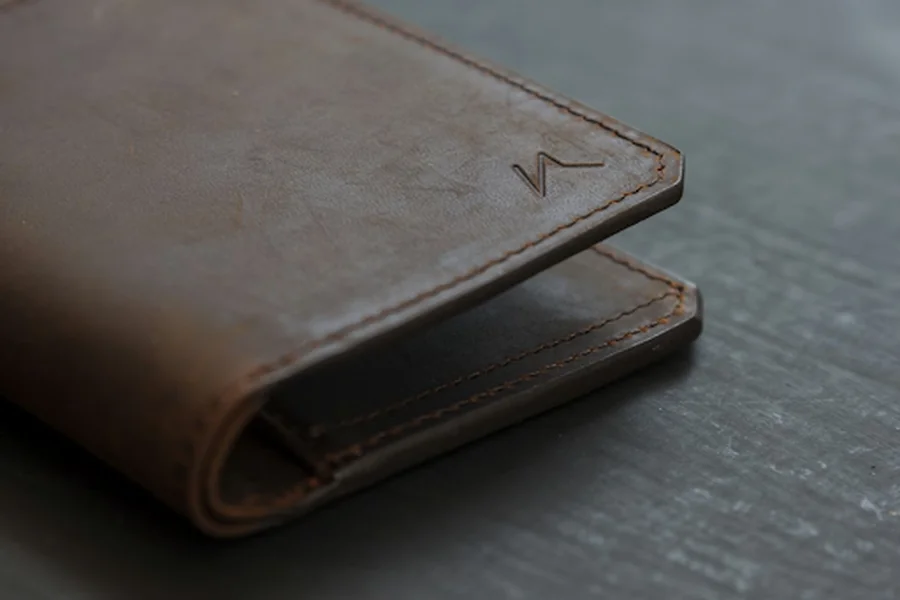
As consumer preferences continue to evolve, the demand for personalised accessories has surged, with leatherware standing at the forefront of this trend. The unique charm of a customised leather wallet draws many, particularly in bustling city-states where traditional craftsmanship meets modern innovation. Those seeking a customised leather wallet in Singapore will encounter a diverse range of options, blending functionality with individual style preferences.
Craftsmanship Meets Personalisation
Leather crafting has long been celebrated for its durability and sophisticated aesthetic. A good-quality leather wallet often acts as a testament to the skill of the artisan and the quality of the materials involved. Personalisation takes this craftsmanship a step further, allowing consumers to imprint their signatures onto a functional piece of fashion. Initials, names, or even bespoke designs can transform an everyday item into a personal treasure.
The art of leather crafting involves several meticulous processes, including cutting, stitching, and sometimes embossing. Each stage demands attention to detail, ensuring that the resulting product is not only beautiful but also durable. Personalisation adds an extra layer of complexity, as artisans must adjust their techniques to accommodate custom designs while maintaining the integrity of the leather.
Choosing the Right Type of Leather
The type of leather selected significantly impacts the finished wallet, not only aesthetically but also in terms of longevity. Full-grain leather, the highest quality available, retains the grain surface, providing a natural look that develops a patina over time. This type of leather is ideal for those who appreciate a wallet that ages beautifully, each mark or scratch becoming part of its unique character.
Top-grain leather, while slightly less robust than full-grain, offers a more polished finish, appealing to those seeking a sleeker look. Its smooth surface is well-suited for intricate personalisation, allowing the finer details to stand out. Suede and nubuck leather provide a soft, velvety texture but require careful handling and maintenance.
The Process of Personalising Leather
Customising a leather wallet often begins with selecting a base model. Will it be a classic bifold, a slim cardholder, or a chic clutch-style wallet? Once this foundational decision is made, personalisation can begin.
The embossing process, a popular method of customisation, allows the inclusion of initials or small designs. Heat and pressure are applied to stamp a design into the leather, providing a subtle yet elegant finish. Alternatives such as laser engraving offer precision and are ideal for detailed designs, although they can sometimes lack the depth of traditional embossing.
Embracing Modern Technology
Advancements in technology have made it possible to personalise leather goods with unprecedented precision. Digital design tools allow for the previsualisation of the final product, allowing customers to adjust elements before committing to a design. Such tools have become invaluable for artisans, streamlining the bespoke process and ensuring satisfaction.
Equally, 3D printing has intersected with leather crafting, particularly in the prototyping stage. Though not directly used in creating leather wallets, it allows designers to quickly create and test new ideas, pushing the boundaries of traditional craftsmanship.
The Environmental and Ethical Dimensions
As the world grows more environmentally conscious, consumers are increasingly considering the ethical implications of their purchases. Sustainable leather practices and ethically sourced materials are crucial factors for many when selecting a customised wallet. More artisans and companies are adopting vegetable tanning processes, which use natural dyes derived from plant materials, as a more sustainable alternative to traditional chemical tanning.
Furthermore, the leather industry has seen a rise in the use of recycled materials. By repurposing leather offcuts or using sustainably sourced raw materials, manufacturers can offer products that align with the environmental values of discerning customers.
Customisation as a Reflection of Identity
The appeal of a customised leather wallet goes beyond aesthetics. It serves as an extension of one’s identity, a compact expression of personal style and values. In an age when mass production dominates the market, customisation offers a way to stand out and embrace individuality.
Wallets are deeply personal items, often containing essentials such as identification, payment cards, and sentimental photographs. What better way to honour these personal items than by ensuring the wallet itself carries a meaningful design?
Incorporating Modern Elements
While the classic look of leather is timeless, modern consumers can also opt for the integration of contemporary elements into their wallets. RFID blocking technology, for example, can be incorporated into many modern leather wallets, protecting the unauthorised scanning of credit cards and identification.
Additionally, minimalist designs, coupled with contemporary personalisation, offer a modern twist on tradition. Sleek, slim wallets that eschew bulkiness have become increasingly popular. These designs are especially appealing for individuals who prefer to carry only the essentials.

Conclusion
The journey to create a bespoke leather wallet involves several essential considerations, from material selection and design to ethical sourcing. With the rising demand for such items in metropolitan hubs, there is no shortage of options and innovative techniques to explore. Whether maintaining a focus on tradition or embracing modern technological advancements, the possibilities for creating a one-of-a-kind leather wallet are virtually limitless. For those captivated by this timeless accessory, there are comprehensive collections available where one can explore a wide variety of personalised options, such as the one found here.